
Wihaji: Postpartum Family Planning is an Investment in Family Quality
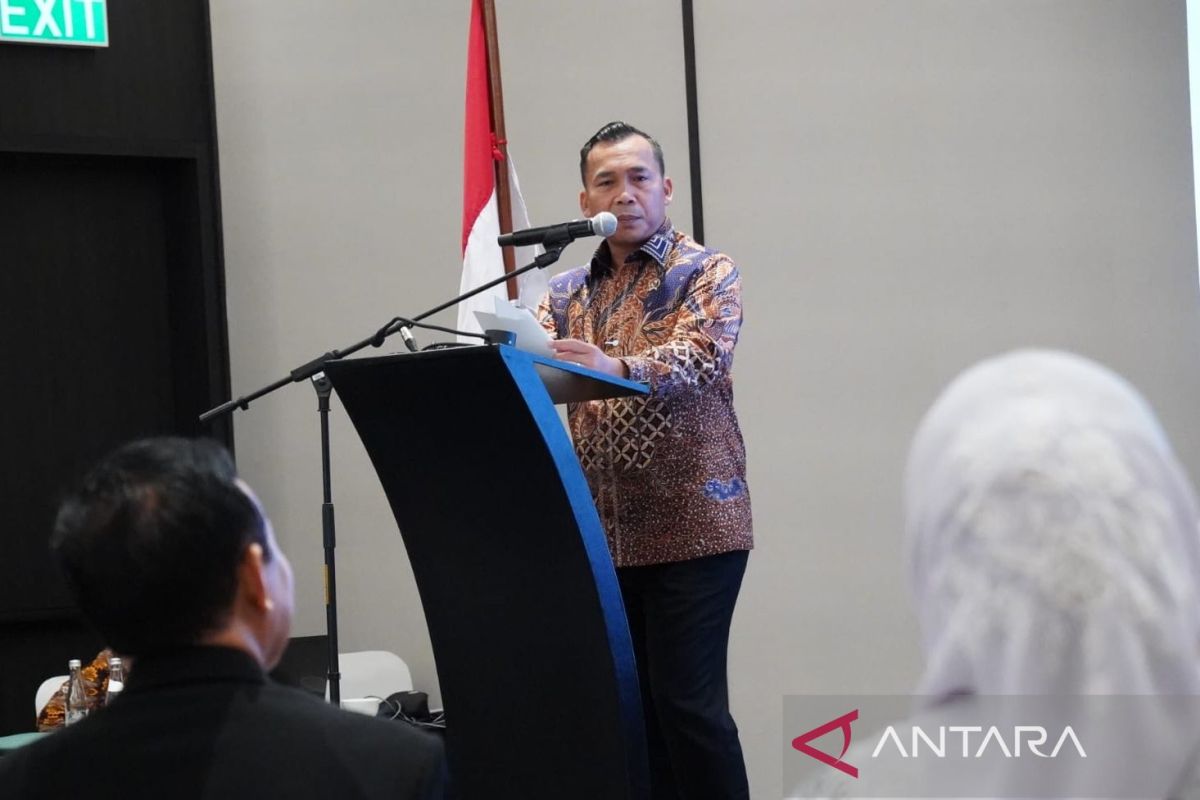
Jakarta (ANTARA) - The Minister of Population and Family Development (Menduklamga)/Head of BKKBN, Wihaji, stated that postpartum family planning (KB) serves as an investment to enhance the quality of families.
Wihaji emphasised that the strengthening of postpartum family planning should not merely focus on achieving administrative targets, but must stem from the tangible benefits received by families. This is part of an effort to ensure mothers can plan their next pregnancy, thereby ensuring that children are provided with better care, nutrition, health, and opportunities for growth and development.
“I personally choose substance, but it does not have to abandon administration. What is the substance? Postpartum family planning is about ensuring that our children, whom we serve, and the mothers, can ensure their families are planned. They can ensure that the next child, or the child just born, receives proper parenting and breastfeeding, and that the parenting pattern is truly optimal,” he said in an official statement in Jakarta on Wednesday.
“There must be innovation, policy, and something new, including the creation of ministerial regulations; that is part of innovation. It is not about circumventing rules, but rather addressing the fact that we have been recorded in administration, which is data,” Wihaji added.
He encouraged that education regarding postpartum family planning be packaged more creatively and attractively, so that the public understands that family planning is not just about contraceptive use, but is part of family planning and an investment in the quality of the next generation through communication approaches that must follow changes in societal behaviour, including leveraging technological developments.
Wihaji also expressed his appreciation to healthcare workers, particularly midwives and doctors, who serve as the frontline in providing services to the community. According to him, the success of the postpartum family planning programme requires the involvement of many parties and services capable of reaching the community, even in areas with geographical challenges and varying levels of health access.
Meanwhile, the Deputy Secretary General of the Indonesian Society of Obstetrics and Gynaecology (POGI), Dhika Prabu Armadhanu, asserted that postpartum family planning services need to be placed as an integrated part of maternal health services, from pregnancy through the postpartum period. This ensures mothers have sufficient time to obtain information, understand contraceptive options, and determine methods according to their conditions and needs.
“Postpartum family planning is not just about providing contraception after childbirth, but about how we ensure mothers receive information and counselling early on, so that those choices can be confirmed after delivery and followed up during postpartum visits,” said Dhika.
According to him, the quality of postpartum family planning services is also determined by counselling that provides space for patients to make voluntary decisions. Healthcare workers need to understand the patient’s reproductive plans, explain method options in a balanced manner, and ensure patients receive information regarding benefits, side effects, and follow-up care.
Source: jawawa.id (https://jawawa.id/newsitem/wihaji-postpartum-family-planning-is-an-investment-in-family-quality-1789613988)
Originally published by Antara (Indonesian) (https://www.antaranews.com/berita/5744951/mendukbangga-kb-pascapersalinan-investasi-untuk-kualitas-keluarga), translated from Indonesian