
Widespread Support for Passing the Asset Forfeiture Bill
The Corruption Eradication Commission (KPK) has affirmed its full support for accelerating the passage of the Asset Forfeiture Bill. The legal instrument is considered crucial for delivering maximum deterrence while closing legal loopholes that have long been exploited by corruption offenders.
KPK spokesperson Budi Prasetyo stated that without firm regulation, assets derived from criminal proceeds often remain in the possession of perpetrators, particularly in cases where suspects flee or die. “Therefore, this bill must be passed immediately,” Budi said.
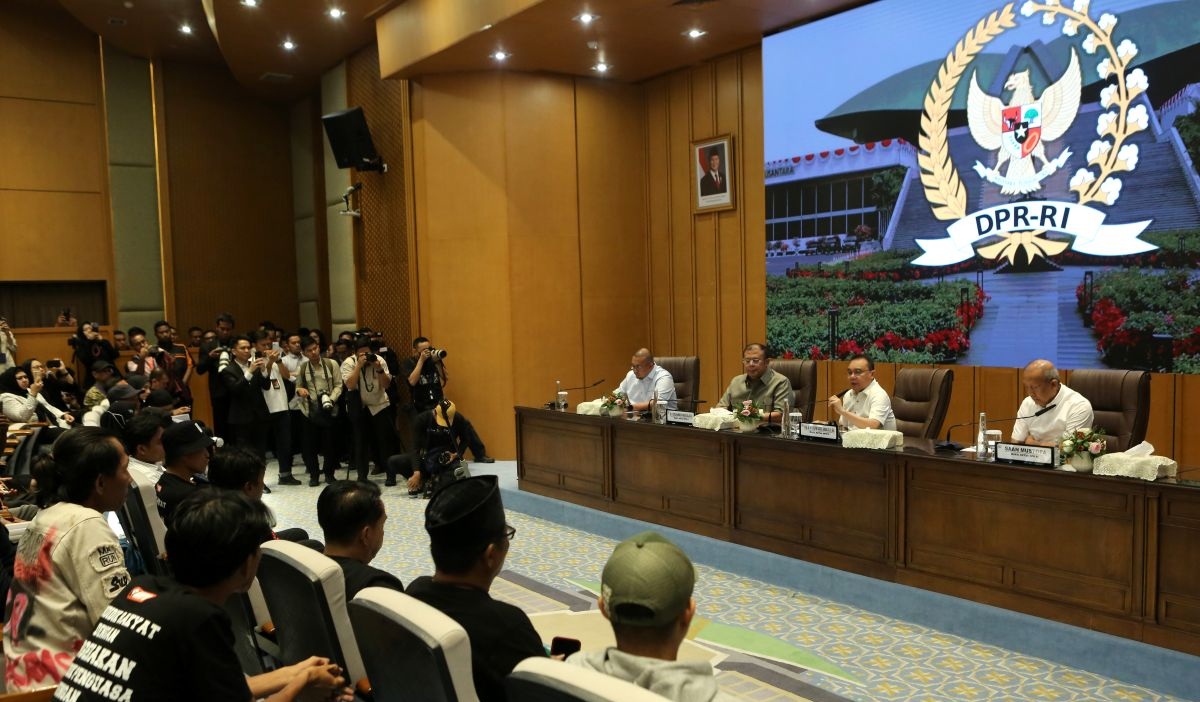
The anti-corruption agency’s support aligns with a pledge by Deputy Speaker of the House of Representatives Sufmi Dasco Ahmad. During an audience with the Pati United Community Alliance (AMPB), Dasco assured that deliberation of the Asset Forfeiture Bill would be completed before 15 December 2026. In addition to urging passage of the bill, demonstrators also demanded the application of the death penalty for corruptors.
The Asset Forfeiture Bill adopts a non-conviction based (NCB) approach, a civil lawsuit mechanism against assets suspected of being proceeds of crime without having to wait for a criminal verdict against the perpetrator. The offence threshold in the draft is set at crimes carrying a minimum sentence of four years in prison and asset values of at least Rp100 million.
Although the urgency of passage is increasing, House member Rieke Diah Pitaloka has cautioned that the regulation must remain grounded in the rule of law. She stressed the importance of due process of law, judicial oversight, and human rights protection to prevent potential abuse of power.
Rieke offered three main recommendations in drafting the bill. “The state must be strong in seizing the proceeds of crime, but the law must also be strong in protecting citizens’ rights. The system must ensure that recovered assets are returned to the rightful parties,” Rieke asserted.