
Why Volcanic Ash Is Dangerous for Vehicle Engines: An Explanation and How to Prevent Damage
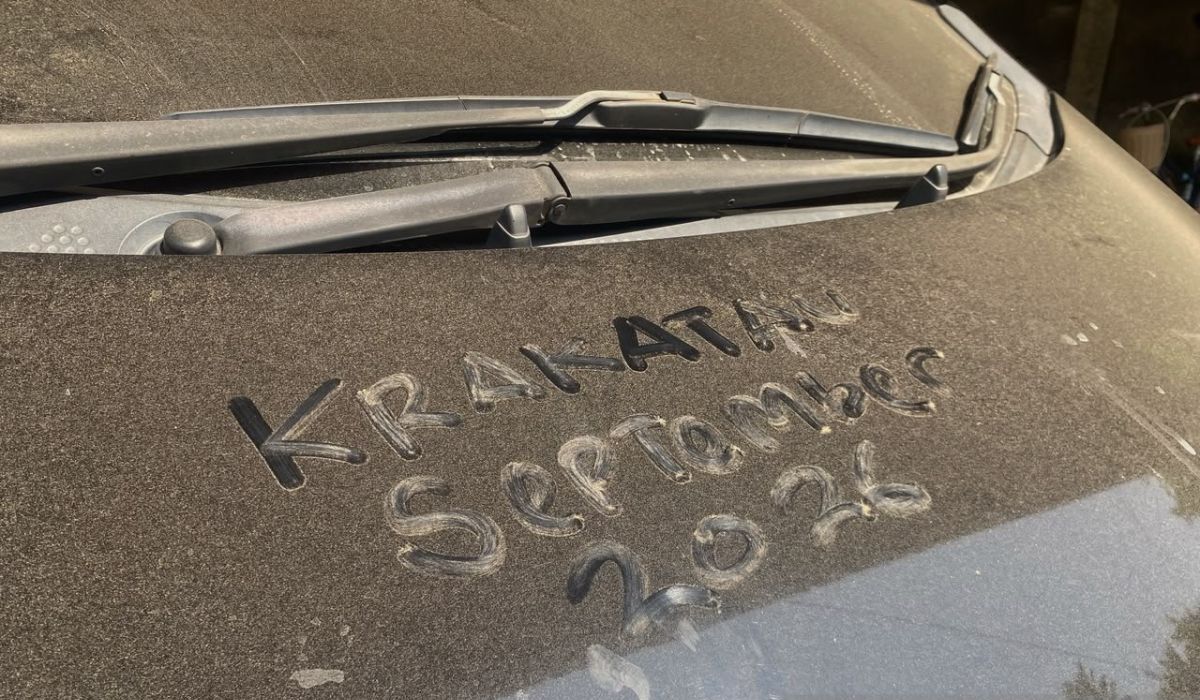
Volcanic ash resulting from volcanic eruptions is not only a threat to human health, but also a formidable enemy of motor vehicles. Unlike ordinary road dust, which tends to be soft and organic, volcanic ash has physical and chemical characteristics that are highly destructive to mechanical components.
For vehicle owners in disaster-prone areas, understanding why this material is so dangerous is a crucial step towards preventing financial losses from fatal engine damage. The following is an in-depth analysis of the impact of volcanic ash on a vehicle’s engine ecosystem.
Technically, volcanic ash consists of small rock particles, minerals and volcanic glass (silica) formed during explosive eruptions. These particles have a high level of hardness and an irregular shape with sharp edges. It is this abrasive nature that makes volcanic ash act like liquid sandpaper when it enters an engine system moving at high speed.
The air filter is the engine’s first line of defence. Volcanic ash particles are so fine that they can quickly clog the pores of the air filter. When the filter is blocked, the air supply to the combustion chamber is drastically reduced. This causes the fuel-air mixture to become less than ideal (too rich in petrol), leading to reduced performance, higher fuel consumption and even sudden engine stalling.
If the extremely fine ash particles manage to penetrate a damaged or poorly sealed air filter, they will enter the combustion chamber. Here, the sharp silica particles will rub against the cylinder walls and piston rings. This process causes permanent scoring on the cylinder walls, resulting in loss of engine compression. In the long run, the engine will lose power and require a complete overhaul.
Volcanic ash can enter the lubrication system through small gaps or when the oil dipstick is checked carelessly. Once mixed with oil, the ash turns the lubricant into an abrasive paste. Contaminated oil will flow throughout the engine, damaging bearings, the crankshaft and the camshaft. Damage to the lubrication system is one of the most expensive forms of automotive repair.
Beyond the core engine, other supporting components are also vulnerable to damage from volcanic ash.
Do not activate the windscreen wipers when the windscreen is covered in thick volcanic ash. The glass particles in the ash will immediately scratch the windscreen film or glass surface permanently. Use a low-pressure stream of water to rinse it off first.
If your vehicle has been exposed to volcanic ash, here are the steps recommended by automotive experts:
Volcanic ash is a serious threat that vehicle owners should not take lightly. Its abrasive, corrosive and fine nature allows the material to penetrate the deepest parts of the engine. Improper handling, such as forcing the engine to work with a clogged filter or wiping the ash off dry, will only worsen the damage. Carrying out preventive maintenance and a thorough cleaning is a small investment compared with the large costs that must be incurred to repair an engine damaged by silica abrasion.
Source: jawawa.id (https://jawawa.id/newsitem/why-volcanic-ash-is-dangerous-for-vehicle-engines-an-explanation-and-how-to-prevent-damage-1788796237)
Originally published by Media Indonesia (https://mediaindonesia.com/otomotif/930698/mengapa-abu-vulkanik-berbahaya-bagi-mesin-kendaraan-ini-penjelasan-dan-cara-mencegah-kerusakan), translated from Indonesian