
Why UK PM Starmer Resigned: From Popularity to Public Disdain
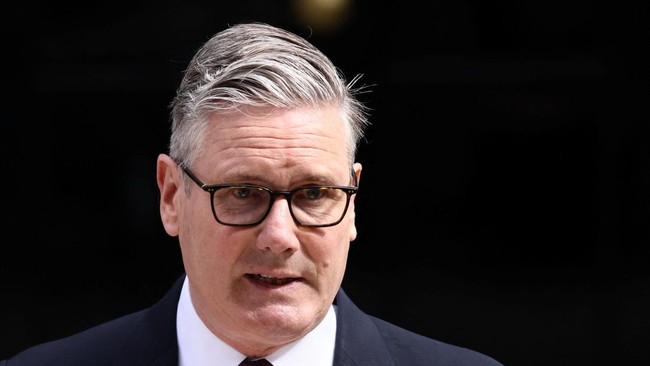
British Prime Minister Keir Starmer announced his resignation on Monday (22/6/2026) in a statement outside Downing Street. Nominations for a new leader will open on 1 July, with the country expected to have a new prime minister by September. Starmer led the UK for two years, initially winning the Labour Party leadership from Jeremy Corbyn in 2024, whom he accused of fostering anti-Semitism. Labour’s general election victory that year was the party’s best result in more than two decades, ending 14 years of Conservative, or Tory, rule. So why did Starmer resign, and why did his government become so unpopular? Starmer’s honeymoon period proved remarkably short. Within a month of the election, his net approval rating fell from plus seven to zero, with 52% of Britons telling Ipsos they felt the country was heading “in the wrong direction”. According to YouGov, his net favourability stood at -48 on their polling scale, making him the most unpopular prime minister in modern history. After losing 187 local council seats in England last year, Labour shed more than 1,400 seats in the May 2026 elections, a rout accompanied by the dramatic rise of Nigel Farage’s Reform UK. Calls for Starmer to step down came not only from the opposition, including Reform UK, but also from within his own party. His parliamentary party told him they would not support him. According to The Times, Energy Secretary Ed Miliband urged Starmer to begin “planning his departure” as early as April. Several senior ministers reportedly confirmed to Starmer over the weekend that they would not back him, and he announced his decision to resign on Monday morning. In his first speech after taking office in 2024, Starmer announced that his government had “found a £22 billion black hole in the public finances” and would have to make “unpopular decisions” to fix it. This meant tax rises, despite his pledge to lower them. Starmer increased income and dividend taxes by 2%, raised employer national insurance contributions, and hiked property taxes. According to the TaxPayers’ Alliance, between July 2024 and November 2025, Starmer’s government imposed a new tax or raised an existing one every ten days. The Conservatives had previously presided over a historic decline in British living standards and soaring energy costs and inflation. All costs in the UK surged after the country severed ties with Russian fossil fuels in 2022. Starmer’s voters expected him to ease this burden, but they saw no change. The situation worsened when Starmer announced massive welfare cuts last year, with public outrage forcing him to reverse some, including deeply unpopular cuts to winter fuel allowances for pensioners. “We’ve had 14 years of Conservative austerity,” Green Party leader Zack Polanski told reporters in May. “Keir Starmer was elected on a promise of change and, actually, what we’ve seen is very little change, and in many ways things have got worse.” If Starmer’s tax rises and welfare cuts angered the left, his response to a spate of anti-immigration riots in late 2024 angered the right. Hundreds of Britons were arrested for making anti-immigrant posts on social media, and violent criminals were released from prison early so that rioters and their online supporters could be jailed. Starmer became embroiled in a public spat with X owner Elon Musk, who labelled the PM “two-tier Keir” for prioritising “speech crimes over actual crimes”. His push for the Online Safety Bill, which critics argued would further curtail free speech in the UK, drew the ire of US Vice President J.D. Vance, who told Starmer directly that there had been “an infringement on free speech that affects not just the British, but American technology firms and, by extension, American citizens”. These issues, combined with Starmer’s failure to reduce illegal immigration, helped Reform UK emerge as the big winner on Friday, securing at least 1,200 seats. After ousting Jeremy Corbyn as Labour leader in 2020, Starmer abandoned all of Corbyn’s pro-Palestinian policies and insisted the party had purged itself of “anti-Semitism”. He refused to acknowledge infiltration of the party by pro-Israel staff, journalists, and advocacy groups. While Corbyn was a member of the Palestine Solidarity Campaign and supported boycotts of goods from occupied Palestinian territories, Starmer rejected calls from within his party to demand a ceasefire in Gaza in late 2023, publicly affirming Israel’s right to cut electricity and water to Gaza’s 2 million residents. He later reversed his position, supporting a ceasefire and a two-state solution.