
Why Trump Is Pressing Ahead with New Tariffs, Including on Indonesia
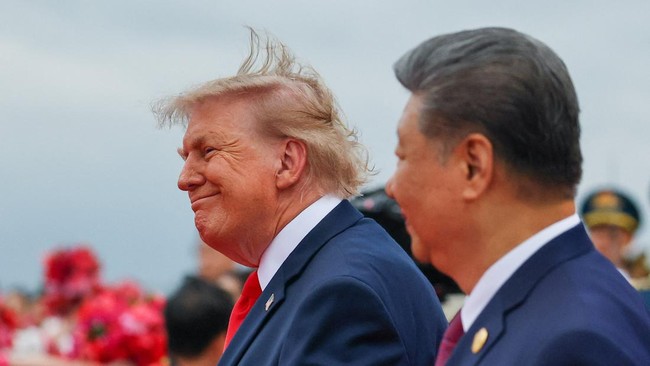
US President Donald Trump is pressing ahead with his tariff policy despite the Republican Party’s recent defeat in the midterm elections, which was driven by voters’ concerns about the economy and the high cost of living.
On Wednesday (25 November 2026), his administration proposed new tariffs on 14 major trading partners, including China, Japan and the European Union. Trump sees tariffs not merely as trade policy, but as a means of strengthening US influence on the global stage.
“All of this is happening because of tariffs,” Trump said, according to Reuters on Thursday (26 November 2026), while promoting the construction of new factories in the US. He acknowledged that the policy could create difficulties during the transition.
Tariffs have become increasingly important to Trump because Democrats are expected to take control of Congress for the final two years of his term. With his legislative influence weakened, tariffs are one of the most powerful economic tools a president can use without lawmakers’ approval.
The Trump administration proposed tariffs ranging from 20% to 40%, although rates for countries that have trade agreements, or are negotiating them, are generally capped at around 10% to 20%.
The move follows an eight-month investigation into the trade practices of US partners and seeks to revive the 2025 tariff policy, which the Supreme Court struck down in February as illegal.
Previous tariffs have raised concerns about higher prices for goods in the US. An SSRS poll for a consortium of US media outlets found that about two-thirds of voters believe Trump’s tariffs are harming the economy, while Yale University’s Budget Lab estimated that the policy adds about US$900 (Rp16.47 million) a year to household costs.
Democrats, meanwhile, say Trump is ignoring voters’ demand for a more affordable cost of living. “Republicans have learned nothing,” Katherine Clark, the Democratic candidate for House majority leader, said on X.
The White House defended the policy, saying tariffs are part of efforts to protect American workers, farmers and businesses from what it considers unfair trade practices.
Some industrial workers’ groups have also backed the tariffs. United Steelworkers president Roxanne Brown described the government’s move as a policy that was “long overdue”.
By contrast, Republican Representative Don Bacon called tariffs “a tax on American consumers” and said inflation and slow wage growth had also contributed to his party’s defeat.
Despite the criticism, Trump continues to prioritise reducing the trade deficit and reviving manufacturing. Tariffs are also a new source of revenue for the federal government, as well as a way to encourage companies to build factories in the US and pressure other countries to make trade concessions.
Tariffs on Indonesia
Indonesia faces the prospect of an additional tariff of 18%. The Office of the United States Trade Representative (USTR) identified five “acts, policies and practices” it considers unreasonable.
These include Indonesian government industrial policies aimed at boosting production and exports, as well as the country’s labour rules, working conditions and enforcement of labour laws.
Other concerns include global overcapacity and production, including imports and foreign direct investment from countries with non-market economies (NMEs); alleged financial repression in Indonesia; and sectoral policies, including the downstreaming programme.
The USTR considers these acts, policies and practices to burden or restrict US trade. Among other effects, it says they reduce business opportunities for US producers and exporters in Indonesia and in third-country markets.
The agency also considers them harmful to the US economy because they contribute to lost production, exports, jobs and investment in American manufacturing. It says they increase US economic security risks, including through dependence on raw materials or components from NME countries.
“The USTR is proposing a range of actions it considers appropriate to eliminate these acts, policies and practices, including considering tariffs of up to 18% on all goods originating in Indonesia,” the agency said.
Source: jawawa.id (https://jawawa.id/newsitem/why-trump-is-pressing-ahead-with-new-tariffs-including-on-indonesia-1795679447)
Originally published by CNBC Indonesia (https://www.cnbcindonesia.com/news/20261126131654-4-788719/alasan-trump-nekat-ugal-ugalan-tembak-tarif-baru-termasuk-untuk-ri), translated from Indonesian