
Why the US Will Never Truly Invade Iran
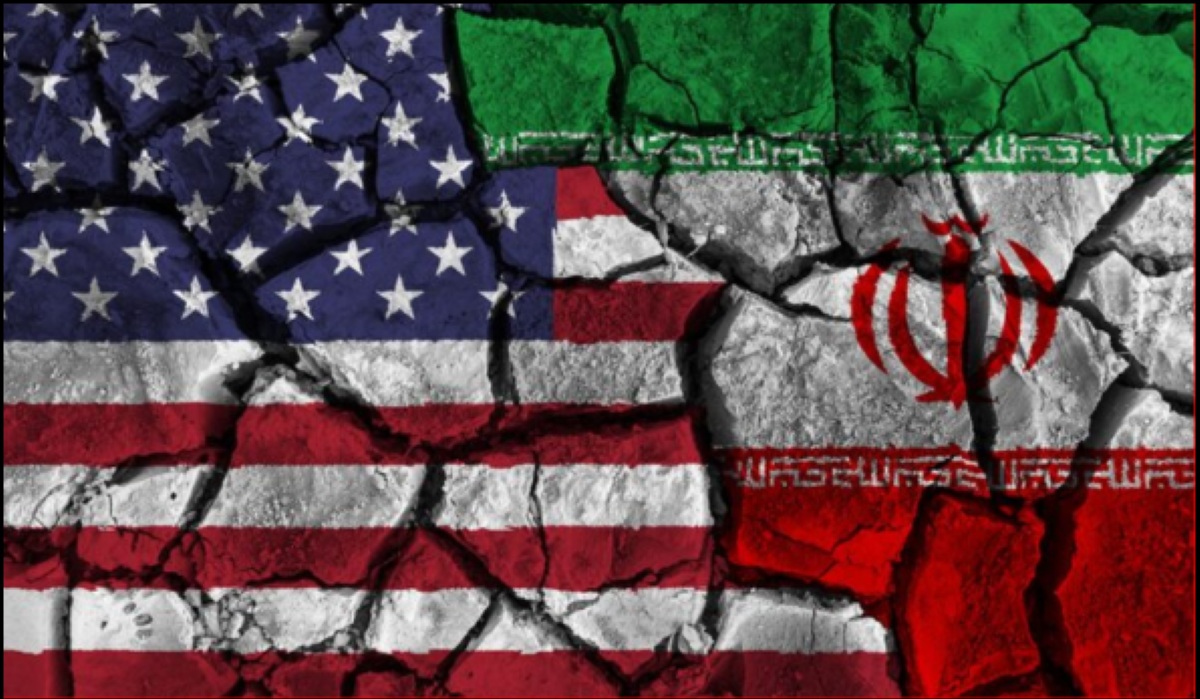
For decades, military planners have studied one of the most difficult questions in modern warfare: What would happen if the United States invaded Iran? The answers from various war simulations have often yielded uncomfortable results for Washington. The US military has reportedly modelled this scenario many times, and the results rarely indicate a quick or easy victory.
Many assume an invasion of Iran would resemble the Iraq War. However, Iran is an entirely different challenge. Its geography, population, military strategy, and regional influence make it one of the most difficult countries in the world to occupy. Iran is not merely a country on a map; it is a natural fortress.
Iran covers an area nearly three times larger than Iraq with a far larger population. Unlike Iraq’s relatively open terrain, Iran is dominated by massive mountain ranges, including the Zagros Mountains, which create natural barriers around key regions. Even reaching major cities would pose an extraordinary logistical challenge. An invading force cannot simply drive across flat desert; they must move through some of the toughest terrain on Earth. The mountains, narrow passes, and harsh environment heavily favour the defender.
Although the US possesses unmatched air power to cripple Iranian military bases and missile systems in the initial stages, the real challenge only begins afterwards. Iran’s military strategy is built on the understanding that it cannot defeat a superpower in a conventional one-on-one war. Instead, Tehran has developed a system called Mosaic Defence.
A conflict with Iran would certainly not remain within its borders. Groups allied with Tehran, including Hezbollah in Lebanon, militias in Iraq, and the Houthis in Yemen, could expand attacks across the Middle East. This would threaten global energy shipping routes, commodity markets, and US allies in the region.
Economically, the cost would be massive. By comparison, the Iraq War cost trillions of dollars over two decades, with thousands of casualties on the US military side. Iran, with its more difficult landscape and decades of defensive preparations, would drain far greater resources.
The biggest problem for any invasion is not winning the first battles. The crucial question is: What happens years later? Is occupying Iran even possible? Can a new government be formed and protected? And is the cost worth the outcome? Iran is a country that believes winning the first day of a war does not mean winning the war itself. This is why many experts believe a full-scale invasion remains the most unlikely military option. The challenge is not simply defeating the Iranian army, but dealing with everything that comes after.