
Why the US Doesn't Want the Yen to Collapse and What's at Stake
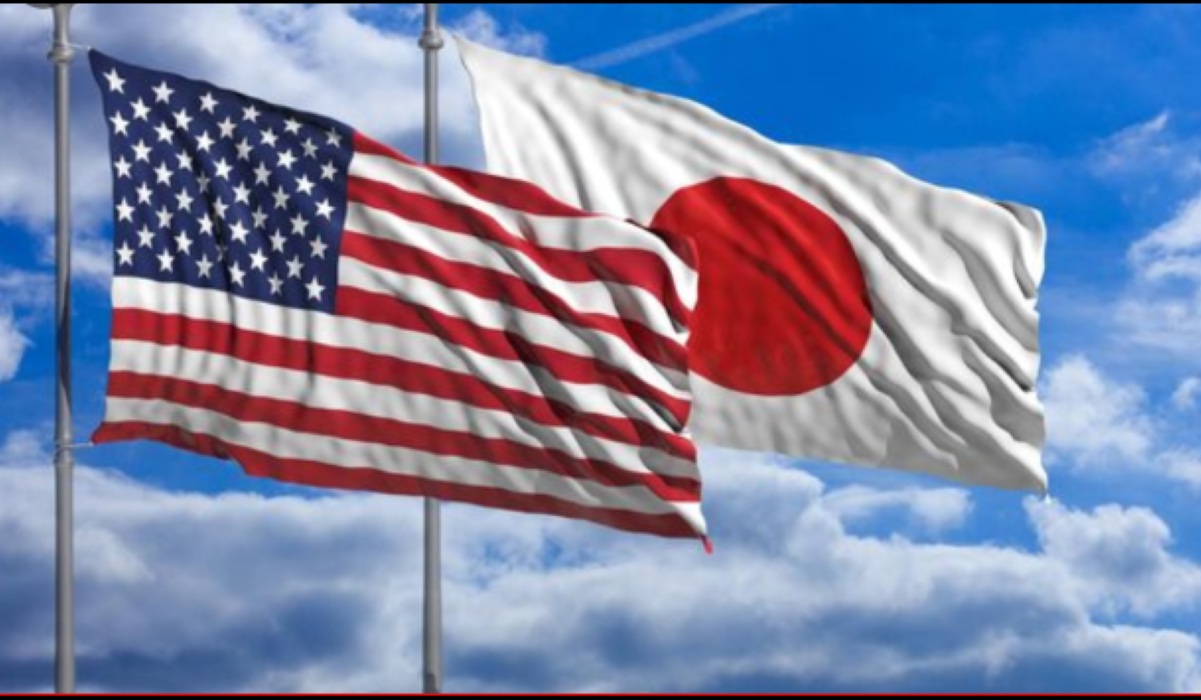
Washington’s decision to join Japan in supporting the battered yen has raised questions about the motivation behind the rare coordinated intervention. Analysts point to concerns over the United States Treasury market and Japan’s financial system as the main drivers.
Tokyo has grown increasingly wary of the yen’s decline, which recently fell to its weakest level against the dollar in nearly four decades. The yen had been stuck at multi-decade lows, sinking to 163.73 per dollar last Thursday before strengthening back to 157.57 on Friday (31/7).
The coordinated intervention is the first joint US-Japan operation to buy yen since 1998, and the first coordinated intervention involving the two countries since the G7 acted to weaken the yen after the 2011 earthquake.
Industry veterans say one of Washington’s biggest concerns was avoiding a scenario in which Japan would need to sell large amounts of US Treasurys to fund unilateral intervention. Japan is currently the largest foreign holder of US government debt.
Louise Loo, Head of Asia Economics at Oxford Economics, said this was likely a key reason for US participation. “There is an element of self-preservation here. Volatile markets driven by aggressive fiscal policy from Japan could spill over into the US Treasury market and destabilise the dollar,” she said.
The emphasis by Tokyo and Washington on the Federal Reserve’s FIMA repo facility — which allows foreign central banks to obtain dollar liquidity without directly selling bonds — is a strong indication that they wished to avoid forced sales of those assets.
Washington’s concerns likely go beyond the yen’s exchange rate. A persistently weak yen could trigger further selling of Japanese government bonds (JGBs) at higher yields, with the potential to spill over into global bond markets. Both Japan and the US are currently grappling with rising long-term borrowing costs.
Masahiko Loo, Senior Macro Strategist at State Street, said the use of the FIMA repo facility signals that Japan can boost dollar liquidity without pressuring US funding markets through the sale of short-term bonds.
President Donald Trump said US participation in last week’s intervention was a show of support for Japan and in the interest of global economic stability. Beyond protecting the bond market, the move reflects Washington’s geopolitical priorities.
Jesper Koll, Expert Director at Monex, said the operation reflects a broad shift in US-Japan relations under the leadership of Trump and Japanese Prime Minister Sanae Takaichi. “US-Japan cooperation has entered a new phase. It shows that when Japan asks for help, America will answer,” Koll said. He added that the move sends a strong geopolitical message to Beijing.
Although coordinated intervention is considered more effective because it involves the US Treasury Department and the Federal Reserve, analysts warn that the action may not last long unless Japan addresses the structural forces driving the yen’s weakness.
Robin Brooks, a senior researcher at the Brookings Institution, questioned the reported mechanism of the US operation, in which it sold euros rather than dollars to buy yen. He said this could confuse markets and potentially prove counterproductive. Brooks argued that intervention cannot reverse depreciation as long as Japanese bond yields remain artificially suppressed by massive purchases from the Bank of Japan (BOJ).
Source: jawawa.id (https://jawawa.id/newsitem/why-the-us-doesnt-want-the-yen-to-collapse-and-whats-at-stake-1785833447)
Originally published by Media Indonesia (https://mediaindonesia.com/internasional/918071/mengapa-as-tidak-ingin-yen-jepang-rontok-dan-apa-yang-dipertaruhkan), translated from Indonesian