
Why the Rupiah and Other Currencies Can Weaken Against the US Dollar: Here’s the Explanation
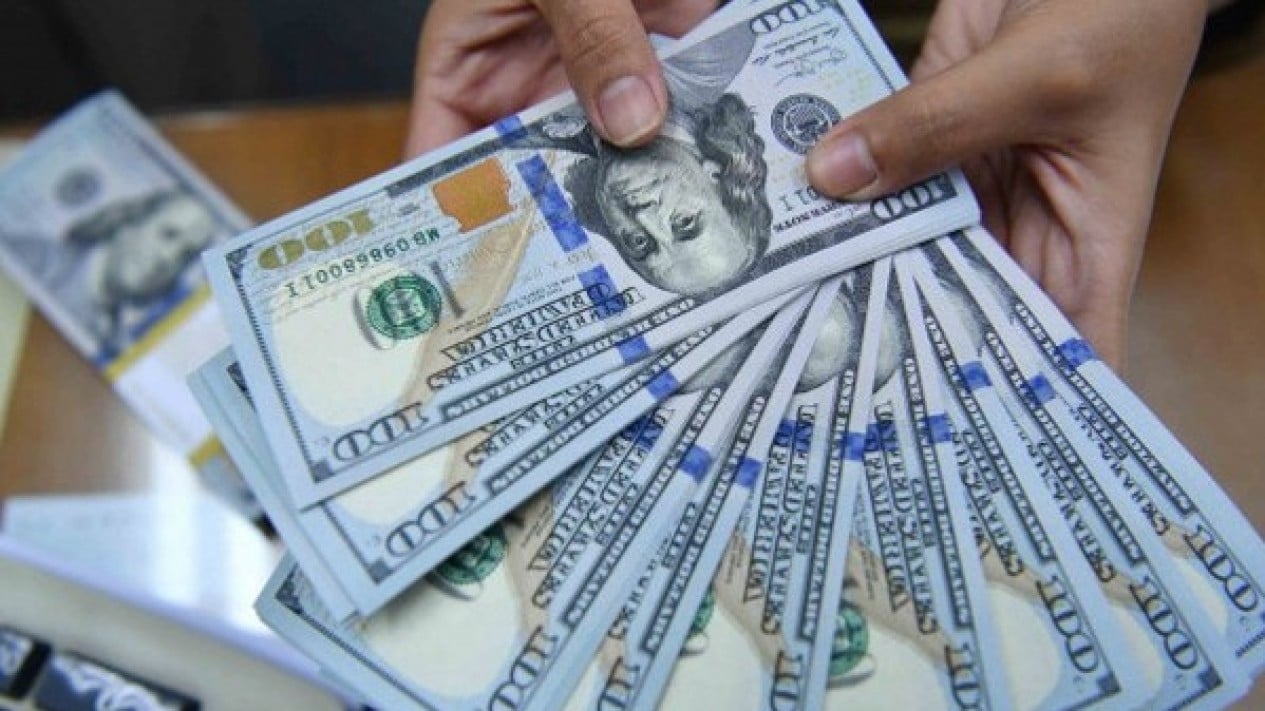
Jakarta, VIVA – The exchange rate for currencies often attracts public attention, especially when the US dollar strengthens against various world currencies. Recently, the rupiah has again been in the spotlight after briefly reaching around Rp17,700 per US dollar. Nevertheless, currency depreciation against the US dollar is not a phenomenon unique to Indonesia. Many other countries also experience similar pressure when the US dollar strengthens globally. So, what are the causes of a country’s currency weakening against the US dollar? Here is the explanation, as summarised on Thursday, 21 May 2026.
- US Interest Rates Rise
One of the biggest factors influencing the exchange rate is the policy of the United States Federal Reserve. When US interest rates rise, global investors tend to move their funds into dollar-based assets because they are considered more attractive. As a result, demand for the dollar increases and other currencies come under pressure. This condition often occurs when the United States is trying to control inflation or maintain economic stability.
- The US dollar Strengthens Globally
Sometimes, a country’s currency weakens not solely because its own economic conditions are poor. It could be that the US dollar is indeed very strong in the global market. The dollar is known as a safe-haven asset or a safe place for investors when the world is unstable. When global uncertainty, war, or economic turmoil occurs, investors usually flock to the US dollar. As a result, the dollar’s value rises against many world currencies simultaneously.
- High Inflation
Inflation that is too high can cause a currency to weaken. When the prices of goods and services keep rising, households’ purchasing power declines and economic stability becomes impaired. Foreign investors are usually more cautious about countries with high inflation because they are seen as riskier. If foreign capital exits, demand for the domestic currency also falls, causing its value to weaken against the US dollar.
- Trade Deficit
Countries that import more than they export typically require more US dollars for international transactions. The larger the need for dollars to pay for imports, the greater the pressure on the local currency. After all, businesses must exchange domestic currency for dollars in large amounts. This condition can keep the exchange rate under ongoing pressure if it persists over the long term.