
Why the Map of Human Anatomy Remains Incomplete
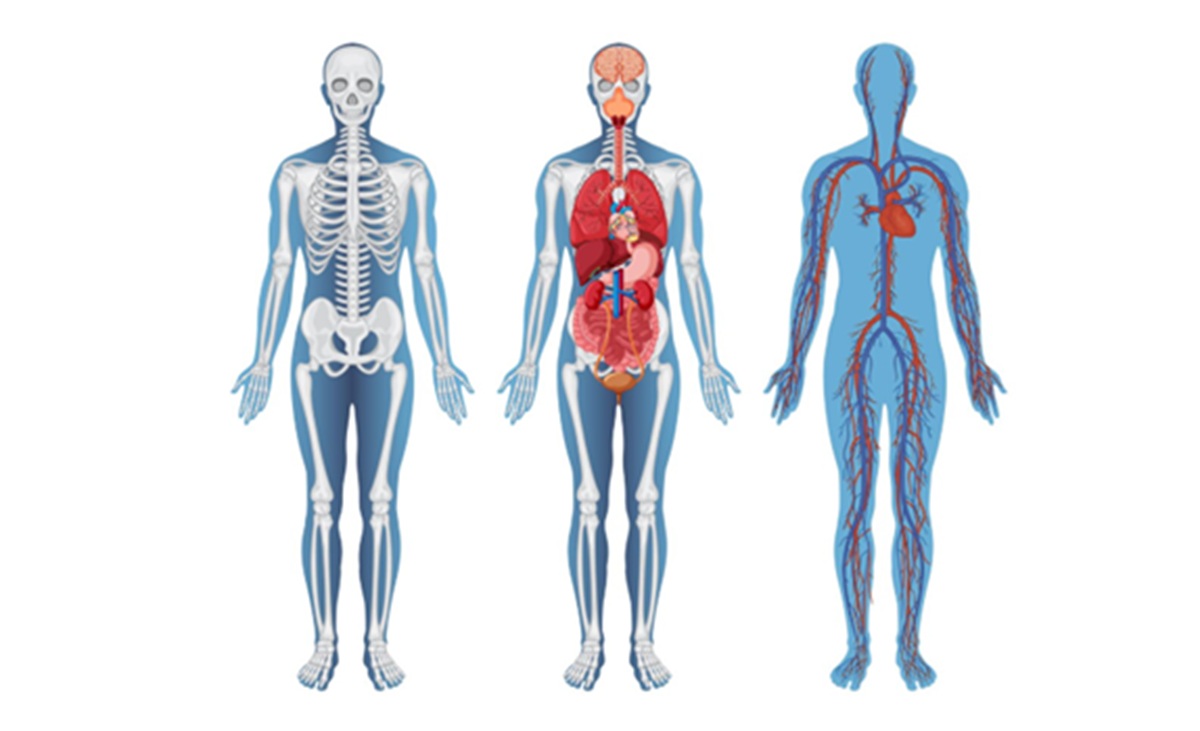
If you open a school textbook, listen to a health content creator, or chat in a fitness centre, the human body appears to have been thoroughly mapped. Every muscle has been named, and every nerve pathway has been traced. Terms like biceps, glutes, or traps have become everyday language. After centuries of dissection, microscopy, and medical imaging, it is reasonable to assume that the science of anatomy is final. However, the reality is quite different. The map of our body is still far from complete.
Since the publication of the first comprehensive anatomy book based on direct observation by Andreas Vesalius in 1543, followed by Gray’s Anatomy three centuries later, an impression has emerged that the human body has been neatly catalogued. Unfortunately, these textbooks created a false sense of certainty by presenting the human body as stable, universal, and uniform. Real-world anatomy is far more complicated than that.
This illusion of completeness is rooted in a past full of limitations. Much of the early anatomical mapping relied on cadavers obtained illegally by grave robbers. The bodies used often came from impoverished groups or those without family protection. Working conditions for early anatomists were extremely difficult. They worked under poor lighting, using samples that often suffered from malnutrition or disease, with post-mortem changes altering tissue conditions. Moreover, sample sizes were small and representation of female bodies was rarely reported. As a result, the ‘standard’ anatomy we have inherited today was actually built from a very narrow and socially biased sample.
The assumption that the human body had been fully mapped caused anatomical research to slow dramatically in the 20th century. Instead of re-examining the evidence, the medical world focused on teaching the inherited knowledge. Now, the science of anatomy is experiencing a renaissance. Thanks to advanced medical imaging technology and a growing awareness of anatomical variation, researchers are realising that biological variation is the rule, not the exception. The human body varies in many dimensions, from sex-based differences and developmental changes across a lifespan to the influences of genetics and environment. At the individual level, the routes of blood vessels can differ, certain muscles may be absent or duplicated, and even the folding patterns of the human brain are never exactly the same. These variations have significant implications beyond the operating theatre. Ultimately, canonical textbook anatomy is merely a teaching model, not a perfect representation of dynamic biological reality. The deeper we study the human body, the more we realise how much we still do not know.