
Why Tensions on the Korean Peninsula Are Rising Again
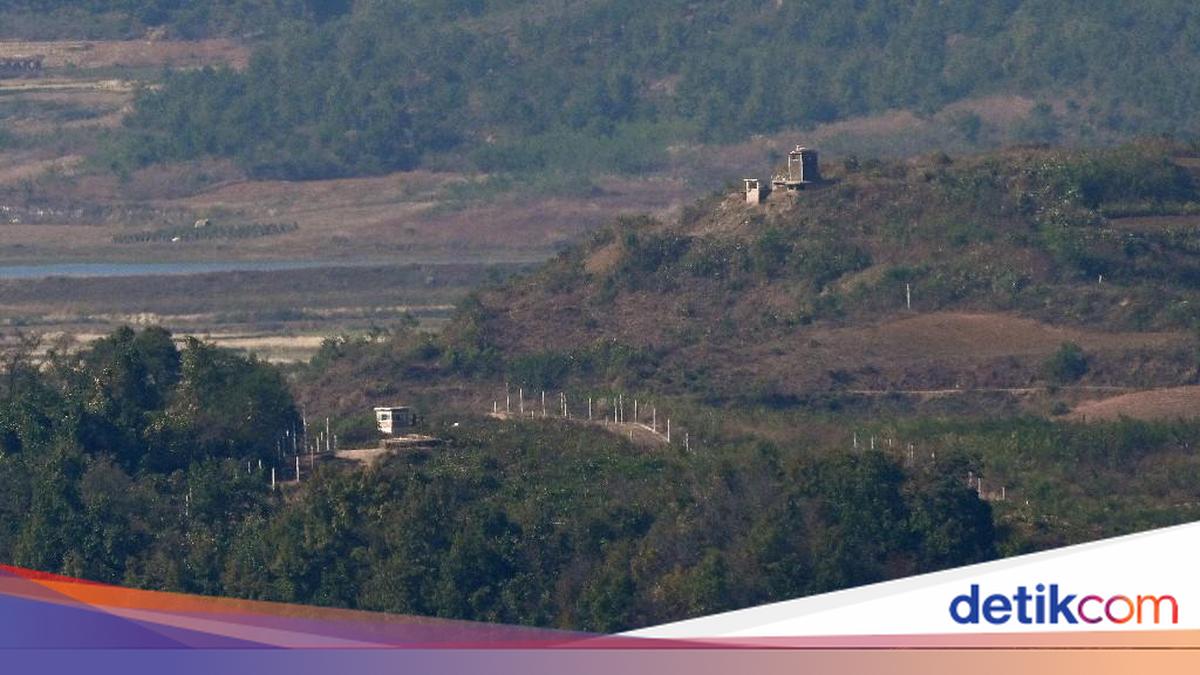
The Korean Peninsula has become increasingly volatile, prompting North Korea to put its troops on firing alert. What is behind the situation?
Tensions on the Korean Peninsula have risen sharply since last month, according to a report compiled by detikcom on Wednesday (21 October 2026). South Korea accused North Korea of laying the landmine that exploded inside the heavily guarded Demilitarised Zone (DMZ), the border area. Pyongyang denied Seoul’s accusation.
The situation heated further after Kim Yo Jong, the younger sister of North Korean leader Kim Jong Un, accused the South Korean military of endangering North Korean troops by firing warning shots while Pyongyang was reinforcing the border. Her threat to resume North Korean loudspeaker broadcasts also risks reversing significant de-escalation measures taken by South Korean President Lee Jae Myung as part of his efforts to restart diplomacy with Pyongyang.
North Korea has been laying mines and barriers along the border since April 2024, DW reported. South Korea said this month that Pyongyang had deployed as many as 7,000 workers to the area and that North Korean personnel had crossed the Military Demarcation Line (MDL) about 50 times.
South Korea’s Ministry of National Defense said that broadcasts and warning shots near the MDL, where North Korea’s mine-laying project is under way, were legitimate defensive measures. Seoul said they were intended to prevent infiltration and force North Korean troops who crossed the line to withdraw.
“If North Korea uses our legitimate measures as a pretext for further provocations, we will respond firmly,” the ministry said.
Seoul also urged Pyongyang to stop what it called baseless claims, halt crossings of the MDL and respond to efforts to resolve differences between the two sides over the border line. South Korean Joint Chiefs of Staff Chairman Jin Young-seung reviewed military readiness during a visit to an army command on the front line and ordered operations to strengthen Seoul’s initiative in the DMZ.
“We cannot tolerate North Korea falsely portraying our legitimate operational measures as provocations and shifting responsibility for rising military tensions onto our military,” Jin said.
North Korea puts troops in firing positions
The conflict escalated further after North Korea announced that it had moved new military units into firing positions along its border with South Korea. Pyongyang warned that it was considering deploying additional means of attack to the border.
“Our military leadership stressed the need to make the wicked group realise that our firing units have taken up their firing positions,” Kim Yo Jong said, according to North Korean state media, as reported by AFP on Wednesday (21 October 2026).
Her statement came a day after South Korea warned that it would respond “firmly” to any further North Korean provocations. Kim Yo Jong said Kim Jong Un had ordered the border with the enemy state to be reinforced and made into an impregnable fortress for ever.
Kim Yo Jong’s remarks followed a report by North Korea’s official Korean Central News Agency (KCNA) that Marshal Pak Jong Chon of the North Korean armed forces had inspected key positions along the border. According to KCNA, Pak told troops that it was time to deploy sufficient firepower to spread terror into the heart of the enemy.
“If enemy forces commit a provocation that clearly threatens the safety of our military personnel … the DPRK border troops must take highly capable, specialised and crippling military action,” he said, using North Korea’s official name, the Democratic People’s Republic of Korea.