
Why Tapirs Are Protected: Reasons, Regulations, and Penalties
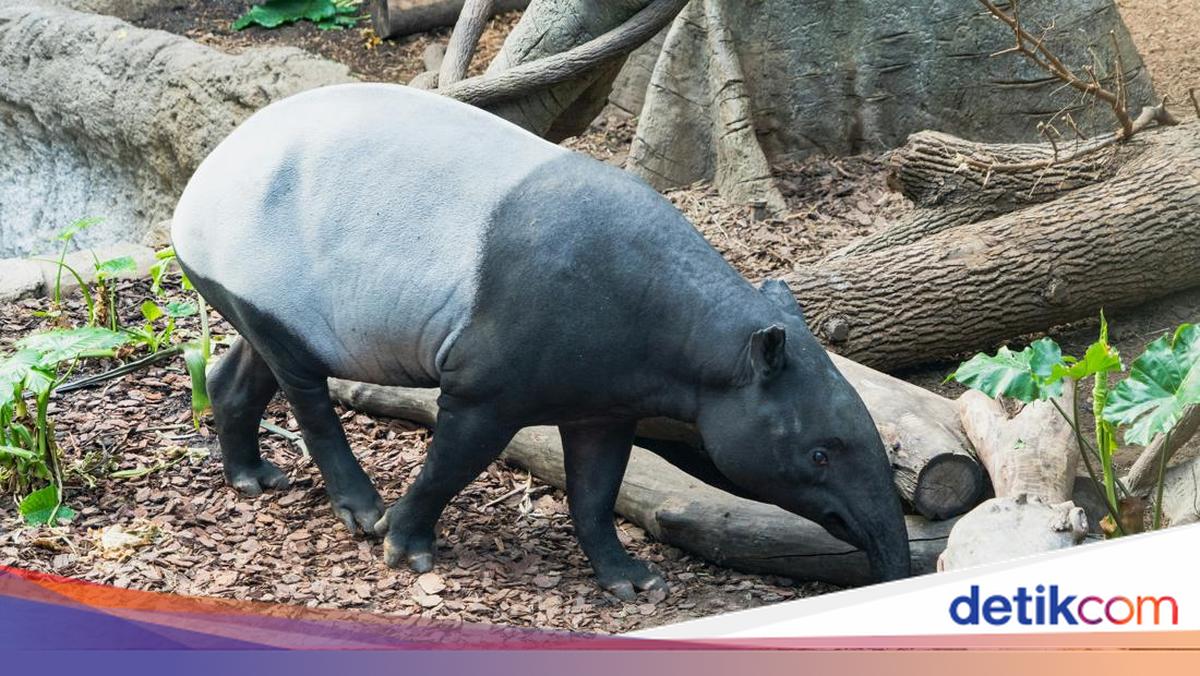
The recent viral case of a tapir killing in Lampung has brought the animal back into the public spotlight. Many people are now asking why the tapir is a protected species and what the legal consequences are for those who hunt or kill it.
The tapir plays an important role in maintaining the balance of the forest ecosystem. Moreover, its existence is protected by Indonesian laws and regulations. Here is an explanation of the reasons tapirs are protected, the legal basis, sanctions for violators, and steps to take if the animal enters residential areas.
Why Is the Tapir a Protected Species?
Referring to a publication by the Directorate General of Natural Resources and Ecosystem Conservation (KSDAE) of the Ministry of Forestry, the Asian tapir (Tapirus indicus) is the only tapir species living in Asia. In Indonesia, this animal is found on the island of Sumatra and has protected status.
According to the KSDAE, the tapir population continues to face pressure from habitat loss, forest fragmentation, and poaching. On the other hand, the tapir has a slow reproductive rate, meaning its population recovery requires a long time.
This animal also acts as a seed disperser for various plant species, thus helping natural forest regeneration. This role means the tapir helps maintain the sustainability and balance of the forest ecosystem, which is its natural habitat.
Legislation Protecting the Tapir
The protection status of the tapir in Indonesia is regulated in Government Regulation (PP) Number 7 of 1999 concerning the Preservation of Plant and Animal Species. Under this regulation, the tapir is listed as a protected wild animal, meaning it cannot be captured, hunted, traded, kept, or killed without provisions justified by laws and regulations.
Furthermore, the protection of protected species is reinforced through Law (UU) Number 32 of 2024 concerning Amendments to Law Number 5 of 1990 concerning Conservation of Biological Natural Resources and Their Ecosystems. This law governs conservation efforts and law enforcement against violations related to protected plants and animals.
Penalties for Killing or Trading Tapirs
Referring to Law Number 32 of 2024, every person is prohibited from capturing, injuring, killing, storing, possessing, transporting, or trading protected animals, whether alive or dead, without a valid permit. Violations of this provision can result in a maximum prison sentence of 15 years and a maximum fine of Rp5 billion.
In the case of the tapir in Lampung, the Ministry of Forestry stated that legal proceedings will continue against the perpetrators. The ministry also emphasised the need to strengthen habitat protection and increase public awareness campaigns to prevent similar incidents from recurring.
What Should You Do If You Encounter a Tapir?
According to an official release from the Directorate General of Forestry Law Enforcement, the appearance of tapirs near residential areas is generally related to the shrinking or disturbance of their natural habitat. Therefore, the public is urged not to hunt, capture, or take any action that could injure the animal.
If you encounter a tapir, you should keep your distance, avoid causing the animal to panic, and immediately report the incident to the local Natural Resources Conservation Agency (BKSDA), forestry officials, or the local government. Subsequent handling will be carried out by authorised officers so that the animal can be evacuated safely and returned to its habitat if possible.