
Why Slightly 'Messy' Forests Are Richer in Wildlife: A Scientific Explanation
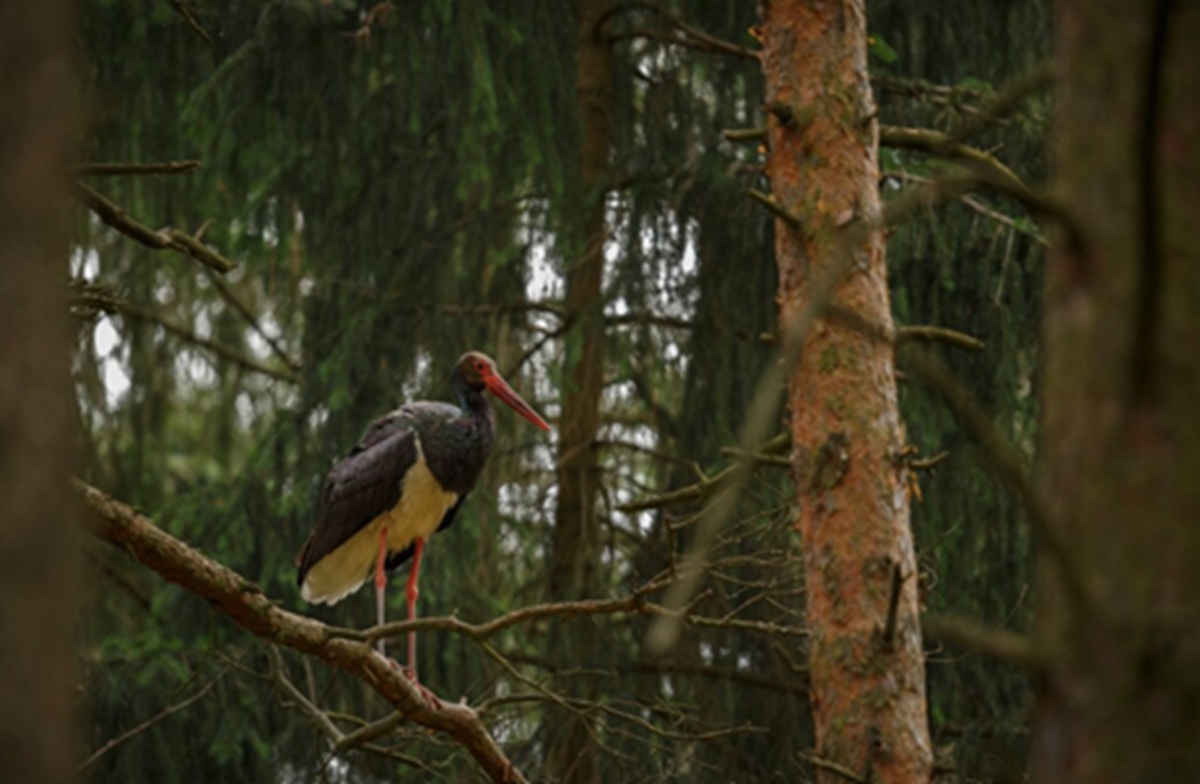
For most people, a healthy forest is often synonymous with a clean, tidy, and well-maintained landscape. However, a recent study by researchers presents an opposing viewpoint. In the world of ecology, a forest that is left slightly ‘messy’, complete with piles of dead wood, fallen trees, and irregular undergrowth, actually provides a much richer and more ideal environment for the survival of wildlife.
This messy forest condition creates micro-habitat structures that are extremely valuable for various species. Fallen and decaying trees on the forest floor, for instance, are not merely organic waste. This dead wood serves as a safe shelter for small mammals, reptiles, and amphibians from predators and extreme weather. Furthermore, decaying wood becomes a home for billions of insects and fungi, which form the foundation of the food chain for birds and other insectivorous animals.
Unfortunately, modern forest management practices have tended to focus on ‘cleaning up’ forest areas. Dead trees are felled and scattered branches are cleared for aesthetic or commercial reasons. This excessive human intervention inadvertently removes essential elements needed by natural ecosystems to grow dynamically.
Through this research, scientists compared neatly managed forest areas with forest areas left to develop naturally without human interference. The results were stark; forest areas left with a degree of structural complexity (slightly messy) showed significantly higher biodiversity. Wildlife from various species levels was found to be more active and to breed successfully in habitats with varied structures.
Responding to these findings, the researchers emphasised the importance of a paradigm shift in future conservation strategies and forest land management. A balance is needed between human utilisation of forests and allowing the forest’s own natural processes to occur.
The scientists leading the study summarised the essence of their findings regarding the importance of letting nature work in its own way: ‘Our results show that allowing forests to be a little messy is a highly effective and low-cost strategy for enhancing wildlife biodiversity.’
By leaving parts of forest areas in their natural, ‘chaotic’ state, we indirectly provide crucial living space for thousands of wildlife species. Ultimately, tidiness is not a measure of an ecosystem’s health; in the natural landscape, a little chaos actually brings blessings for the life within it.