
Why Scientists Deliberately Altered Mount Everest's Height Data
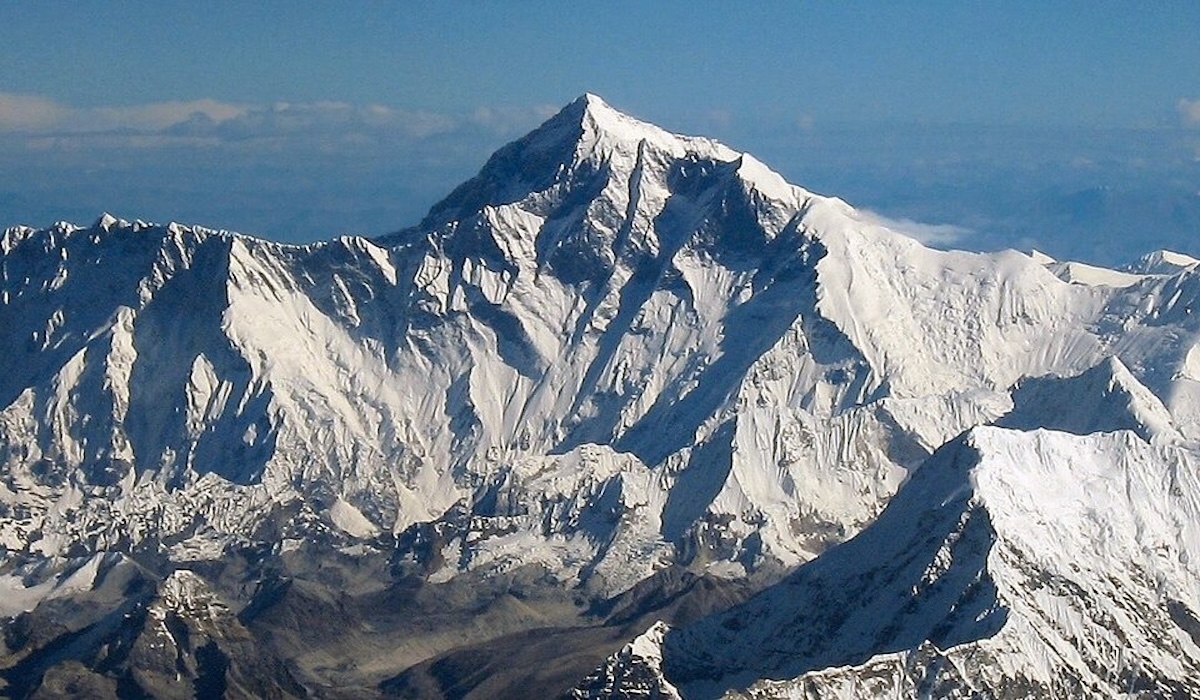
Mount Everest, the highest peak in the world, holds a unique story behind its measurement history. In the mid-19th century, scientists were known to have deliberately manipulated the mountain’s height figures to appear more convincing to the public.
According to historical records, the first official survey of Everest in 1852 actually produced an average figure of exactly 29,000 feet after measurements were taken at six different locations. However, the publication team at the time felt that such a round number would be perceived by the public as a rough estimate rather than a credible scientific report.
To avoid the impression of inaccuracy, the team decided to intentionally add 2 feet, resulting in the official announcement of Everest’s height as 29,002 feet (8,840 metres). This intentional “false” figure remained the official measurement for over a century.
It was not until 1954 that the Survey of India conducted a re-measurement and found Everest’s height to be 8,848 metres or 29,028 feet. This time, the results were reported as they were, because the resulting figure was not a round number, thus meeting scientific standards without the need for additional modification.
Changes in Everest’s height are caused not only by measurement techniques but also by natural factors and methodology. The controversy began to subside after a joint Nepal-China team conducted a re-measurement following the 2015 earthquake. The latest results agree that the height of Everest stands at 8,848.86 metres.
Although this figure is now the global standard, experts believe that the height of the roof of the world may still change in the future due to ongoing Earth dynamics.