
Why Saudi Arabia Imports Sand Despite Having the World's Largest Desert
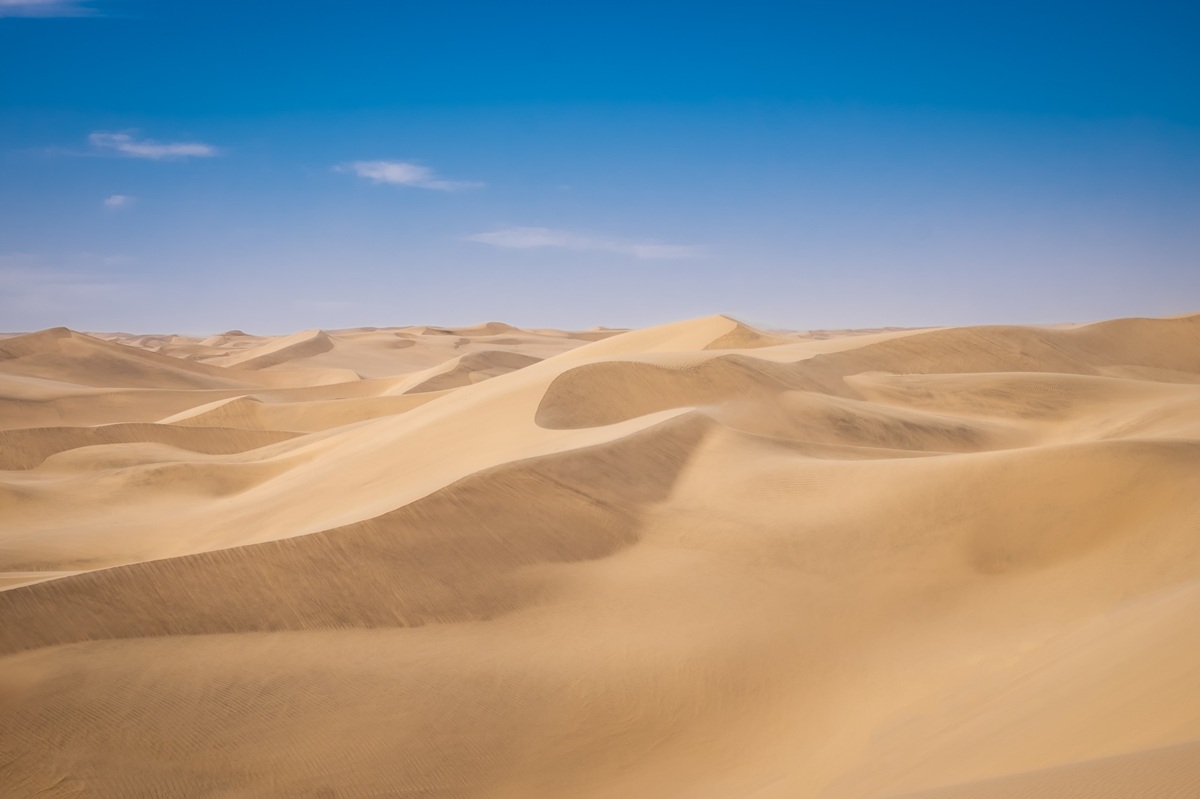
Saudi Arabia is famous for having the largest sand desert in the world, yet it still imports sand from abroad. The country is home to the Rub’ al Khali, or Empty Quarter, the world’s largest sand desert region. However, the presence of sand in vast quantities does not mean that all of it can be used for construction purposes.
Data from the World Bank’s World Integrated Trade Solution (WITS) shows that in 2024 Saudi Arabia imported 1,150,590 kilograms of natural sand worth around US$1.18 million. The sand was sourced from a number of countries.
China was the largest supplier with 585,501 kilograms worth approximately US$613,040, followed by Turkey with 249,481 kilograms and Australia with 100,000 kilograms. The data was recorded under the natural sands trade category with HS code 250590.
This character differs from the sand needed in concrete mixes. For construction, sand with coarser, more angular grains helps particles interlock and bond with cement.
Sand sourced from rivers, quarries and other origins can have characteristics more suited to these needs. Therefore, the presence of large quantities of sand in the desert does not automatically mean the material can directly replace construction sand.
Demand for construction sand is also linked to infrastructure development. Saudi Arabia is currently undertaking various development projects under the Vision 2030 framework, so the need for construction materials, including aggregates and sand, has increased accordingly.
This situation is part of a broader issue. The United Nations, through the United Nations Environment Programme (UNEP), has warned that global demand for sand continues to rise alongside urban growth and infrastructure development.
The world uses around 50 billion tonnes of sand every year, and demand is expected to keep growing.
On the other hand, excessive extraction of sand from rivers, beaches and marine ecosystems can cause environmental damage, such as erosion and habitat destruction.
For this reason, the need for construction sand is not only about quantity, but also the quality and source of the material.
To reduce dependence on natural sand, various alternatives are being developed, including manufactured sand from crushed rock and recycled building materials.
The Saudi Arabian phenomenon shows that having a great deal of sand in a region does not always mean the country has a sand supply suitable for all its needs.
In construction, the shape, size and texture of grains are important factors in determining whether sand can be used as part of building materials.
The sand issue is not merely a question of how much material is available, but also whether its characteristics match the requirements.
Amid ever-increasing development, the need for quality sand is a challenge faced not only by Saudi Arabia, but by the world.
Source: jawawa.id (https://jawawa.id/newsitem/why-saudi-arabia-imports-sand-despite-having-the-worlds-largest-desert-1786510219)
Originally published by Media Indonesia (https://mediaindonesia.com/internasional/920874/kenapa-arab-saudi-masih-impor-pasir-meski-punya-gurun-terbesar-dunia), translated from Indonesian