
Why Pakistan Became a Key Mediator in the US-Iran Peace Deal
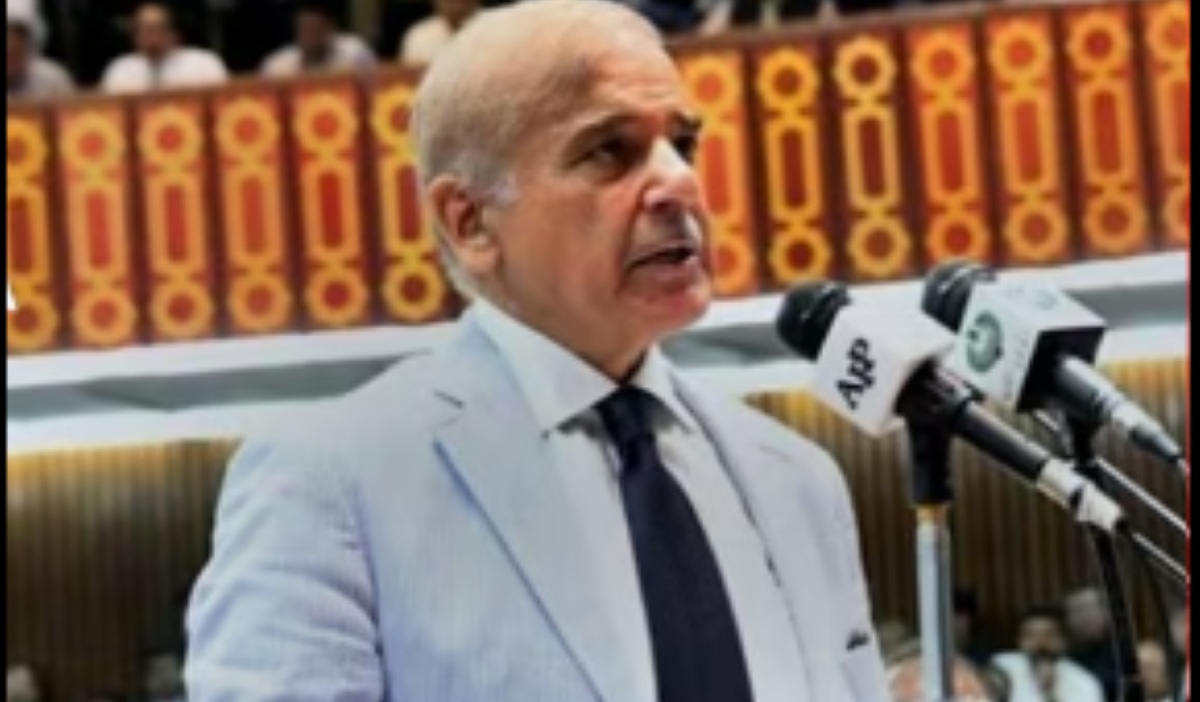
Pakistan emerged as a key actor in global diplomacy this week after Prime Minister Shehbaz Sharif announced a deal to immediately and permanently end military operations between Iran and the United States. Islamabad’s involvement in bridging the two arch-rivals has raised questions about the reasons behind its central role. Here is an in-depth analysis of Pakistan’s strategic position in the peace agreement scheduled to be signed in Switzerland on 19 June.
Former Pakistani Ambassador to Tehran, Asif Durrani, stated that the main factor behind this success is credibility. Pakistan has a unique relationship, sharing a 900-kilometre border with Iran and hosting the world’s second-largest Shia population. On the other hand, Pakistan maintains significant military and economic ties with Washington.
Pakistan’s influence is reinforced by the personal connections of Army Chief General Asim Munir. Munir is known to have close ties with the commander of Iran’s Revolutionary Guard while also maintaining a good relationship with US President Donald Trump. Trump even dubbed Munir his favourite general after previous mediation efforts in the conflict with India.
Pakistan’s involvement is not without self-interest. The Middle East crisis has triggered a surge in domestic inflation. Moreover, Islamabad wants to avoid spillover conflict in the Balochistan border region, which is already facing a local insurgency. Economically, Pakistan hopes the deal can pave the way for the Iran-Pakistan gas pipeline project, which has long been hampered by US sanctions.
Although a ceasefire has been announced, major challenges remain. Crucial issues such as Iran’s nuclear programme and economic sanctions are not yet fully resolved. Michael Kugelman of the Atlantic Council noted that by taking on the role of mediator so openly, Pakistan risks being blamed if the deal falls apart midway.
For now, however, the success in facilitating dialogue has transformed Pakistan’s international image from a troubled state to an influential peace broker in the region.