
Why MSME Lending Growth Remains Sluggish
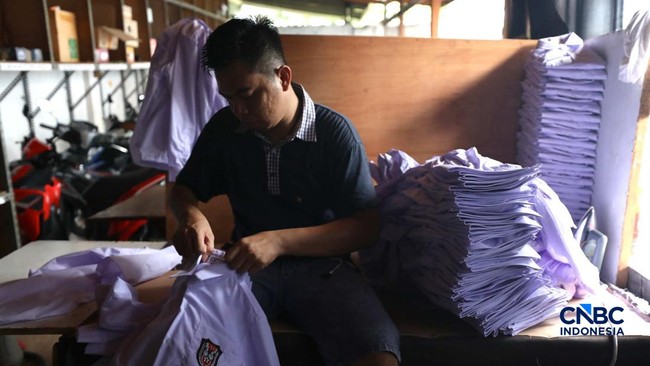
The growth of lending to micro, small, and medium enterprises (MSMEs) remained sluggish, recording a slight 0.6% year-on-year increase to Rp1,509.5 trillion as of May 2026, according to Bank Indonesia (BI). This marks a deceleration compared to the previous month’s growth of 0.7%.
An analysis by the Institute for Economic and Social Research, Faculty of Economics and Business, University of Indonesia (LPEM FEB UI), cited by BI, identified four key factors hindering optimal credit absorption by MSMEs. Firstly, high inflation for producers has increased costs for raw materials, energy, and logistics, while selling prices remain difficult to raise due to weakened consumer purchasing power, thereby squeezing business margins and making them less bankable.
Secondly, the influx of cheap imported products sold directly to consumers through cross-border e-commerce platforms has created unbalanced price competition for domestic MSMEs, particularly in the textile, household goods, and electronics sectors, leading to declining turnover and weaker cash flows. Thirdly, the purchasing power of lower-segment consumers, the primary market for many MSMEs such as street vendors and traditional market traders, has grown slower than the national average GDP growth of 5.11% in 2025. Finally, global economic uncertainty, including US tariff policies affecting Indonesia and its major trading partners, has dampened expansion plans among MSMEs, reducing their need for bankable credit.