
Why Many Public Schools Are Not Implementing 'Tile-fication'?
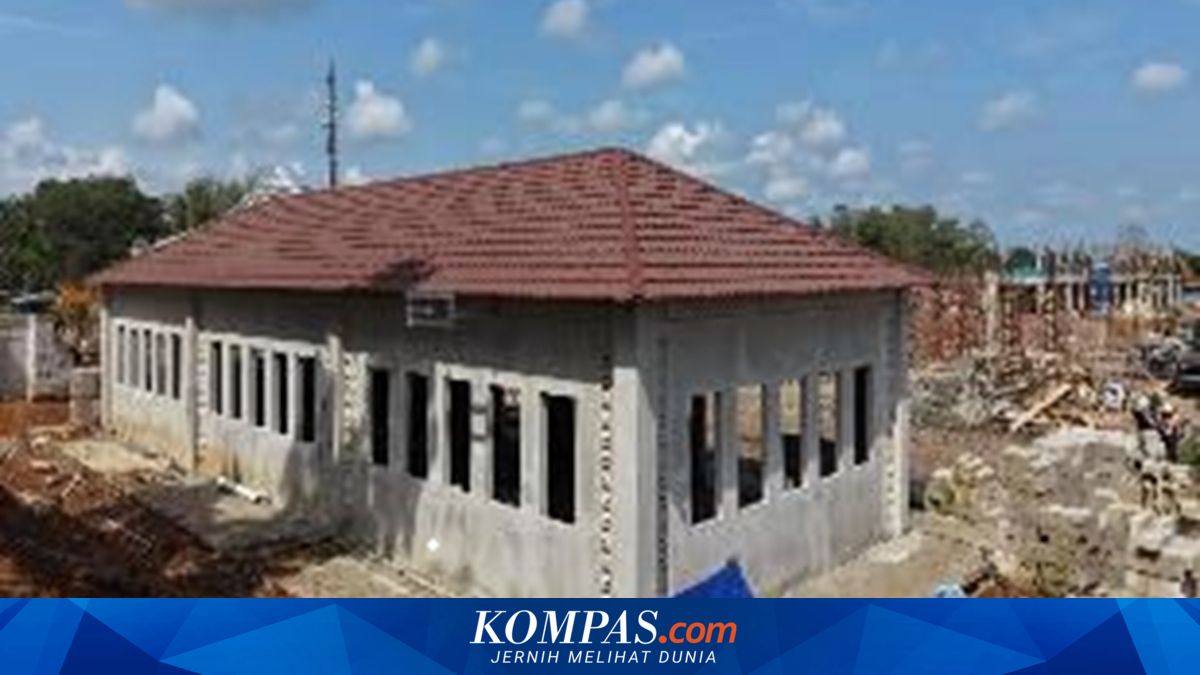
Many public school buildings constructed by the government utilise zinc, spandek, or other lightweight materials instead of the clay tiles that President Prabowo has advocated for through his ‘tile-fication’ initiative.
Through its official Instagram account, the Directorate General of Strategic Infrastructure (DJPS) of the Ministry of Public Works explained that the choice of non-clay tile roofing is not merely an aesthetic consideration, but relates to technical factors, safety, and the availability of building materials. The selection of roofing for public schools considers the strength of the building structure, the geographical conditions of the region, and the efficiency of construction execution.
Lightweight roofing is considered capable of reducing the load on the building and increasing safety, particularly in earthquake-prone areas. Furthermore, the use of lightweight materials supports a faster construction process, ensuring that educational facilities can be utilised by the community as soon as possible. Every design for these public schools is intended to provide a safe, comfortable, and sustainable learning space for Indonesian children.
“The choice of roofing is not just about appearance, but also considers the strength of the building structure, regional conditions, and material availability,” wrote the DJPS Ministry of Public Works, as cited on Tuesday (2/6/2026).
The DJPS stated that the majority of public school buildings in rural areas adopt practical construction using minimalist lightweight steel frames or local timber. From the planning stage, these structures have been calibrated to withstand the load of relatively light roofing covers such as zinc or spandek. Consequently, the use of clay tiles cannot be implemented without a comprehensive redesign of the building structures.
A primary reason for not using tiles is their weight, which is significantly heavier than zinc or spandek. A single high-quality clay tile weighs approximately 3 kilograms. In a standard classroom measuring roughly 8 x 8 metres, using thousands of tiles can add a dead load of several tonnes to the building structure. In addition to being heavier, the installation of tiles also requires a different truss system.