
Why Many Indonesians May Be Reluctant to Take Holidays in 2027
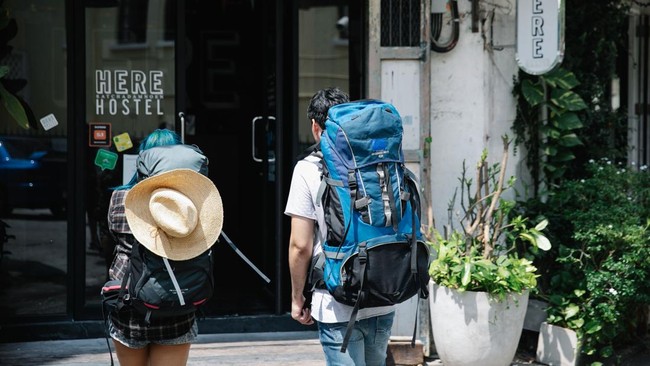
Jakarta, CNBC Indonesia — Indonesians are increasingly weighing up their options before deciding to take a holiday. This reflects pressure on purchasing power and rising travel costs, which are prompting people to think more carefully about tourism spending.
The trend is reflected in SiteMinder’s Changing Traveller Report 2027. In the survey, 41% of Indonesian travellers said they wanted to spend less when travelling in 2027, up from 36% the previous year.
In addition, 30% of respondents planned to choose destinations closer to home, up from 26% the previous year. Meanwhile, 33% planned to take shorter trips, compared with 29% previously.
Maulana Yusran, secretary-general of the Indonesian Hotel and Restaurant Association (PHRI), said weakening purchasing power was one of the main factors affecting tourism activity. Holidays are a secondary need, he said, and are generally taken when people’s finances are in a sufficiently healthy state.
“When we talk about tourism, we are talking about something that is a secondary need for the public. Usually, people have good purchasing power and, when their finances are in good shape, they will travel for a holiday. A holiday is not a basic necessity,” Maulana told CNBC Indonesia on Wednesday (25 November 2026).
According to Maulana, the pressure has also been compounded by rising travel costs. Higher fuel prices and adjustments to transport costs mean people have to spend more to travel.
One effect can be seen in domestic tourist mobility, which is beginning to face constraints, particularly for people travelling by road between regions.
“For example, in various regions, even travelling across provincial borders has become quite difficult, with long queues at petrol stations and other obstacles. These are also hampering domestic tourist travel, perhaps because people choose road transport, for instance, because air fares are expensive,” he said.
The still-struggling business environment is also affecting people’s ability to travel. Job cuts and economic pressures are making holiday spending harder to prioritise.
Maulana said the trend was beginning to be felt by hotel operators. The accommodation industry had been feeling the effects of economic conditions on business operations since 2025.
In the fourth quarter of 2026, usually a peak revenue period for hotels, the situation instead reversed. Business remained relatively decent through September, but a sharp decline began in October.
“In 2026, however, it has been the opposite. Up to September things were still all right — not particularly good, but still reasonably decent. In October, though, the decline was quite steep. The situation was perhaps almost like the fasting month,” he said.
He said the hotel business was being affected not only by holidaymakers, but also by a fall in business travel. Weekend visitor numbers were no longer reaching their previous levels either.
“From the perspective of hoteliers and accommodation providers, one thing is a decline in business travellers — people going on business trips. And weekend travel is no longer performing particularly well either,” he said.
The situation is beginning to put pressure on hotel operations. Maulana said some accommodation businesses had entered survival mode, including by adjusting employees’ working hours to keep their businesses running.
“Survival mode means they have started making adjustments for their employees. Some may already have reduced working hours — perhaps not to the point of sending people home, but they have cut the hours,” Maulana said.
PHRI is concerned that the situation could continue through the Christmas and New Year period, one of the occasions hotel and restaurant operators most rely on to boost year-end revenue.
Maulana said another challenge was that the Christmas and New Year holidays were relatively close to Lebaran, with only about two months between them. With purchasing power still under pressure, households may have to decide which holiday period to choose for a trip.
“This is another challenge, because the Christmas and New Year holiday period is close to Lebaran, perhaps about two months apart. Since the issue is always people’s purchasing power, they will certainly think about whether to choose a Christmas and New Year holiday or wait for the Lebaran break,” he said.
Source: jawawa.id (https://jawawa.id/newsitem/why-many-indonesians-may-be-reluctant-to-take-holidays-in-2027-1795589473)
Originally published by CNBC Indonesia (https://www.cnbcindonesia.com/news/20261125112120-4-788236/waspada-fenomena-banyak-warga-ri-bakal-ogah-liburan-di-2027-ada-apa), translated from Indonesian