
Why Is Urine Foamy? Five Causes and When to See a Doctor
Jakarta (ANTARA) – Foamy urine can sometimes cause concern, particularly when it appears repeatedly during urination. Although it does not always indicate a health problem, persistent foaming can be a sign of kidney trouble.
Under normal circumstances, urine may produce a small amount of foam when it flows out with considerable force and hits the water in the toilet. The foam usually disappears quickly. However, if there is more foam, it lasts a long time or appears almost every time a person urinates, it should be monitored.
One cause to be aware of is protein in the urine, or proteinuria. This can occur when the kidneys are impaired and cannot filter the blood properly.
So what causes foamy urine, and when should it be checked by a doctor?
Several factors can make urine appear foamy. Some are temporary, while others are associated with health problems.
- A strong urinary stream
Urine flowing out forcefully can create bubbles when it hits the water in the toilet. This is generally harmless, especially if the foam appears only occasionally and disappears quickly.
- Dehydration
When the body lacks fluids, urine becomes more concentrated. The increased concentration of substances in the urine can make it look foamier. This may improve once the body’s fluid needs are met.
- Protein in the urine (proteinuria)
One cause that warrants attention is proteinuria, a condition in which the urine contains more protein than normal.
In a healthy person, the kidneys filter waste from the blood while retaining protein in the body. But when the kidney filters are damaged, proteins such as albumin can pass into the urine.
Protein in the urine can make it look foamy, particularly if this happens repeatedly.
- Kidney problems
Chronic kidney disease can cause protein to leak into the urine. This may be associated with conditions such as diabetes and uncontrolled high blood pressure.
Kidney problems do not always cause clear symptoms in their early stages. Persistent foamy urine should therefore not be ignored.
- Urinary tract infection
A urinary tract infection can also change the characteristics of urine. Foamy urine, however, is not a typical sign of infection. More common symptoms include pain or a burning sensation when urinating, a frequent urge to urinate, and cloudy or strong-smelling urine.
Not every instance of foamy urine needs medical attention. However, there are several circumstances to watch for.
- Foam appears almost every time you urinate
If the urine remains foamy for several days and the foam does not disappear easily, consult a doctor. Tests may be needed to determine whether there is excess protein in the urine.
- It is accompanied by swelling
Foamy urine accompanied by swelling of the face, particularly around the eyes, or of the feet, ankles or hands should be treated with caution. These symptoms may be associated with kidney problems that cause fluid retention.
- Changes in urination patterns
Changes such as urinating more often, producing less urine or frequently waking at night to urinate should also be noted if they occur alongside foamy urine.
- A history of diabetes or high blood pressure
People with diabetes and hypertension are at greater risk of kidney problems. Regular kidney-function checks are therefore important, even if they have no symptoms.
If foamy urine is accompanied by shortness of breath, sudden swelling or a drastic drop in urine output, seek medical attention immediately.
To identify the cause of foamy urine, a doctor may recommend tests based on the patient’s condition and symptoms.
Common tests include:
- Urinalysis
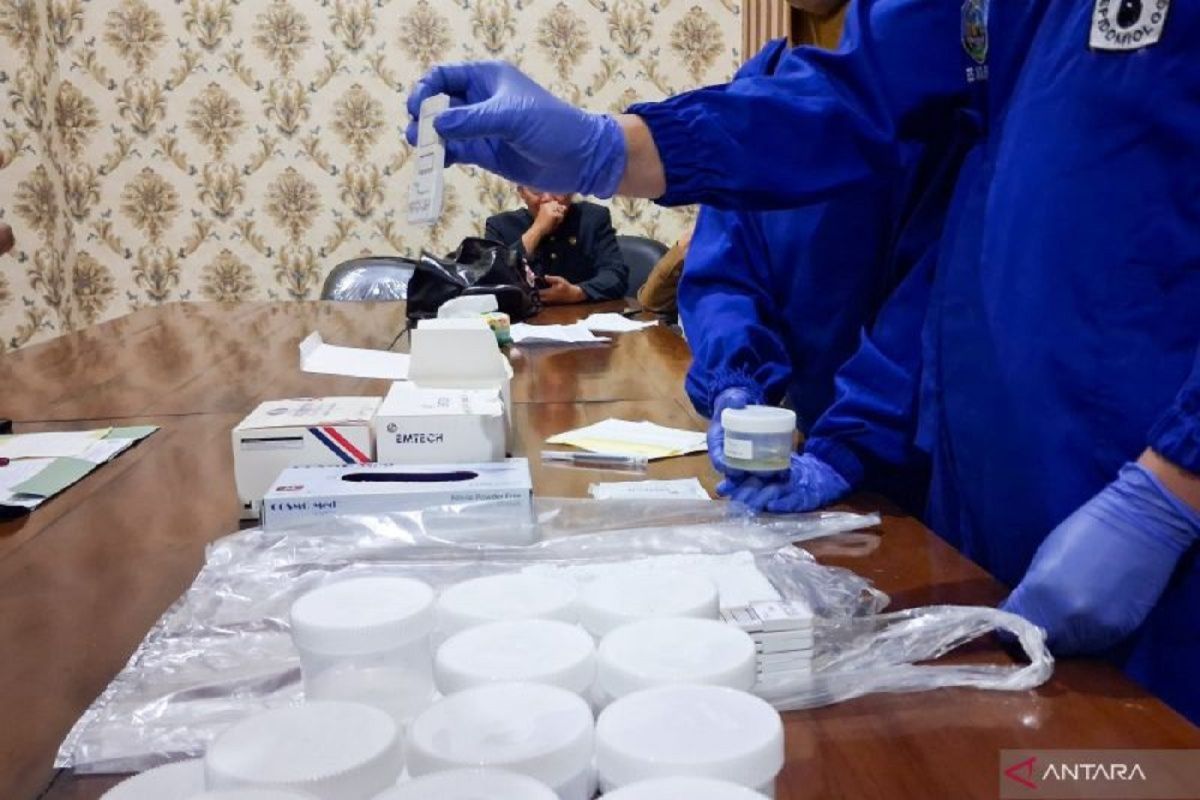
A urine test checks for protein, blood, white blood cells and other substances that may provide clues about the condition of the urinary tract and kidneys.
- Urine albumin-to-creatinine ratio (uACR)
This test measures the ratio of albumin to creatinine in the urine. Albumin is a type of protein that normally remains in the blood.
A uACR below 30 mg/g is generally considered normal. A result of 30 mg/g or higher indicates increased albumin in the urine and may be an early sign of kidney problems.
However, a single high result is not enough to confirm chronic kidney disease. Doctors will generally consider repeat testing and the patient’s overall health.
- Blood creatinine and eGFR tests
A blood test measures creatinine levels and estimates the glomerular filtration rate, known as the estimated glomerular filtration rate (eGFR).
The results help doctors assess how well the kidneys filter waste from the blood.
- Further tests
If there are signs of kidney problems, a doctor may recommend additional tests, such as a kidney ultrasound, to examine the organ’s structure and check for abnormalities.
Maintaining kidney health is important for reducing the risk of problems that can affect the kidneys’ filtering function.
Useful habits include:
- Getting enough fluids
Drink water regularly to help maintain the body’s fluid balance. Requirements vary, particularly for people with kidney or heart disease who need to limit their fluid intake.
- Controlling blood pressure
Uncontrolled high blood pressure can damage the small blood vessels in the kidneys. Have your blood pressure checked regularly.
- Keeping blood sugar under control
For people with diabetes, controlling blood sugar is an important step in reducing the risk of kidney damage.
- Cutting down on excess salt
Too much salt can raise blood pressure and place extra strain on the kidneys. Make a habit of checking the sodium content of packaged foods.
- Avoiding self-medication
Taking certain painkillers, particularly non-steroidal anti-inflammatory drugs (NSAIDs) such as ibuprofen, at high doses or over long periods can increase the risk of kidney problems. Consult a healthcare professional about their use.
- Having regular health checks
Kidney-function tests are recommended, especially for people with diabetes, hypertension, heart disease or a family history of kidney disease.
Foamy urine is not always a sign of kidney disease. It can be caused by the force of the urinary stream, dehydration or other temporary factors.
However, if the foam appears almost every time you urinate, lasts a long time or is accompanied by swelling, medical checks should not be delayed.
It is important to understand that kidney disease can develop without clear symptoms in its early stages. Urine and blood tests can help detect kidney problems earlier.
Do not immediately conclude that foamy urine is a sign of kidney failure. Medical tests are needed to establish the actual cause and determine the appropriate treatment.
Source: jawawa.id (https://jawawa.id/newsitem/why-is-urine-foamy-five-causes-and-when-to-see-a-doctor-1794714741)
Originally published by Antara (Indonesian) (https://www.antaranews.com/berita/5855071/kenapa-urine-berbusa-ini-5-penyebab-dan-kapan-harus-ke-dokter), translated from Indonesian