
Why Is There an Option to Sink KM Virgo? This Is Basarnas's Reason
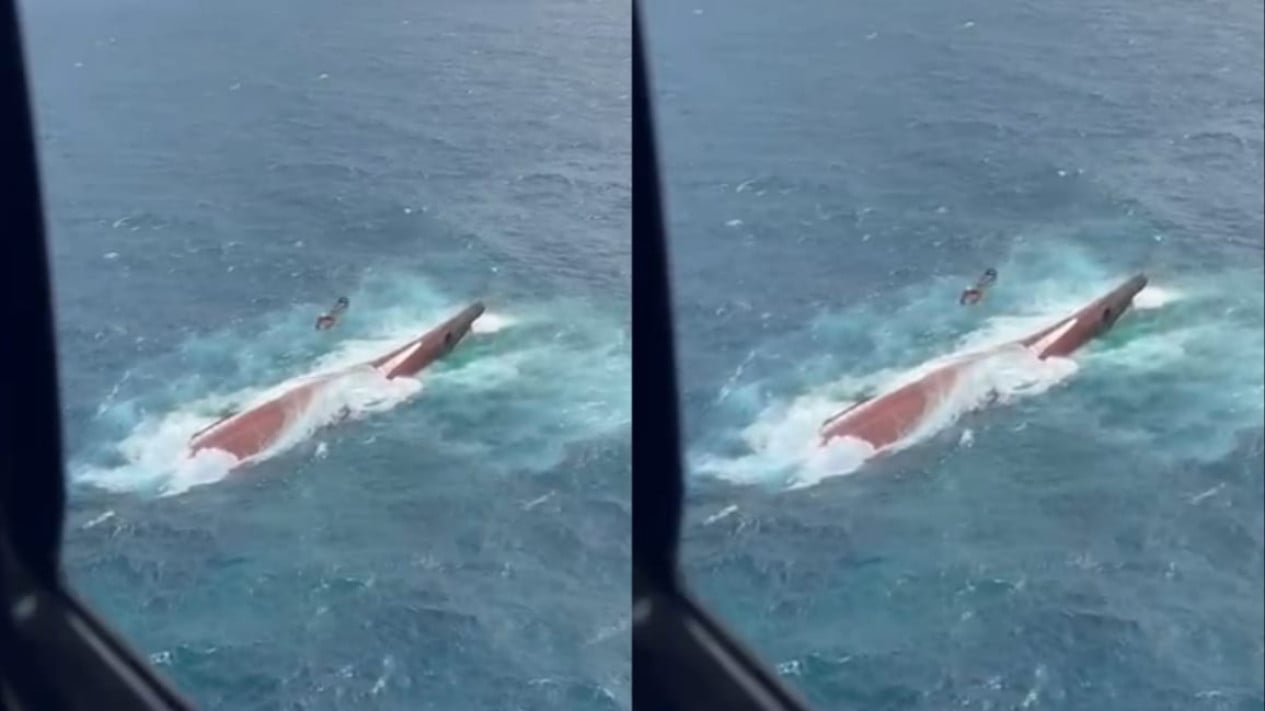
Basarnas has opened the option of sinking KM Virgo Transport 8, which capsized in the Java Sea. The measure is being considered so that the vessel’s position stops shifting, making the search for the 129 victims still missing easier to carry out.
Head of Basarnas Air Marshal Mohammad Syafii said the vessel’s current position could still change because it is capsized and floating. On Monday, 14 September 2026, the wreck was said to have drifted about 2.9 kilometres, or 1.6 nautical miles, from the original point of the incident.
For that reason, one option that has emerged is to allow the vessel to sink to the seabed. This step is considered capable of making the vessel’s position more stable.
“In a condition like this, from input from our colleagues in the Navy, it would actually be better if the vessel, if necessary, sinks so that it stays still, because the vessel is located in what is actually shallow water, roughly at 30 metres,” Mohammad Syafii told reporters, quoted on Tuesday, 15 September 2026.
This option is closely linked to plans for an underwater search. Basarnas had previously prepared divers from the Navy and Kopaska to search for victims around and inside the vessel.
However, the vessel’s capsized and still-moving condition means deploying divers carries its own risks. Besides sinking the vessel, Basarnas is also considering the option of turning the wreck over from its current inverted position.
According to Syafii, righting the vessel could be one way to facilitate the search operation while reducing the risk to divers.
“Because if we force it, as I mentioned earlier, a vessel in a floating condition carries its own risks. Unless the vessel is in a normal condition — for instance, if it sank due to a leak, only its tip remains — then if anything happens it would simply descend,” he said.
“But if it is in an inverted position when the dive team enters, it certainly carries its own risks, and the operation can only be carried out if it meets the requirements and safety first, meaning there is a guarantee of safety,” he said.
Basarnas also discussed another option: pulling or shifting the wreck to a specific location. However, this is no easy task given the vessel’s size and weight, compounded by unfavourable weather conditions.