
Why is the US Pressuring the International Criminal Court?
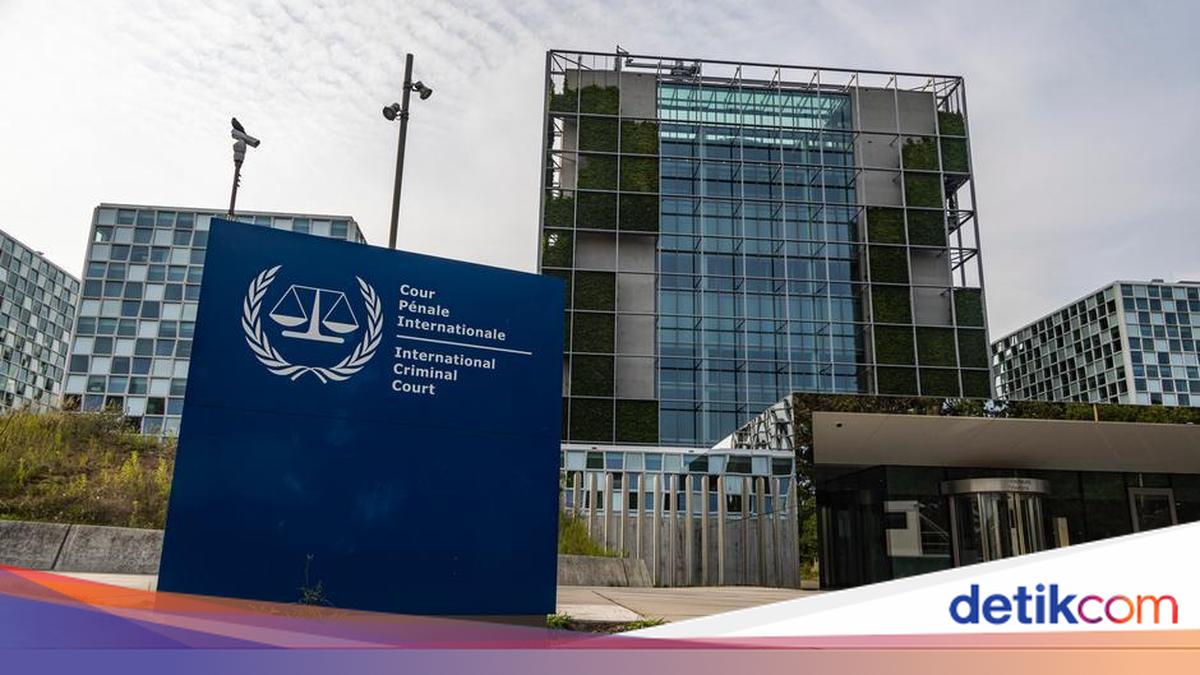
United States Secretary of State Marco Rubio on Tuesday (18/8) attacked the International Criminal Court (ICC), calling the institution “corrupt and heavily politicised.” He also accused the court of having “abused its authority with malice and exceeded its mandate.”
Rubio announced sanctions against ICC President Tomoko Akane of Japan and senior prosecutor Abdoulaye Seye of Senegal. The sanctions include freezing any assets they hold in the United States and imposing comprehensive restrictions on access to the US financial system.
Since 2002, the ICC has sought to prosecute individuals responsible for war crimes, genocide, and crimes against humanity. The court is based in The Hague, Netherlands, as is the International Court of Justice (ICJ), which is part of the United Nations and is tasked with resolving disputes between states.
Unlike the ICJ, the ICC has 125 member states, not all 193 UN member states. The United States, Russia, and China are among the countries that have not joined, as are several other countries in Asia and North Africa.
Rubio previously threatened to dismantle the court “piece by piece.” In a statement in July, the US State Department outlined a number of measures the US government was considering in its campaign against the ICC.
These measures include visa restrictions for ICC staff and tougher sanctions against the court and organisations affiliated with the ICC. In addition, the US also signalled that it would increase scrutiny of countries that continue to recognise the ICC’s authority while still receiving assistance from the United States.
The US has long been at odds with the ICC. However, legal experts in various countries believe that this latest escalation marks a significant change.
“What the United States and Marco Rubio are doing now is essentially publicising something that has been going on for more than a year,” said Andreas Schüller, Deputy Director of the International Crimes and Legal Accountability Programme at the European Center for Constitutional and Human Rights (ECCHR) in Berlin, to DW in July.
“The United States has used various forms of diplomatic pressure against other countries in an effort to change their stance. In some cases they have even recorded the positions of other countries regarding the ICC,” he added.
Schüller also said, “the fact that this has become a US campaign shows that the effort is being carried out strategically. The aim is to broaden its scope and involve other countries, including those that are not ICC members, to apply pressure.”
The United States is not a member of the ICC. This means that crimes committed on US territory generally do not fall within the court’s jurisdiction. However, the ICC can prosecute alleged serious crimes committed in member states. It is this principle that led, among other things, to the issuance of arrest warrants against Russian President Vladimir Putin and Israeli Prime Minister Benjamin Netanyahu.
The roots of the ICC’s establishment lie in history. The Nuremberg trials after the Second World War, which tried leading figures of the Nazi regime, became a milestone in the birth of modern international criminal law. After the establishment of war crimes tribunals in the 1990s, the demand for a permanent court grew stronger, particularly following the conflicts in the former Yugoslavia and the genocide in Rwanda.
For Kai Ambos, an international law expert from the University of Göttingen, the core issue is “the fundamental question of accountability,” whether in the context of the conflicts in Ukraine, Iran, or Gaza.
“Such serious crimes occur and are unavoidable, whatever the conflict. Yet those most responsible, especially government leaders and powerful figures, go unpunished. Nothing happens to them. That is unacceptable to the affected victims and ultimately to all of us,” Ambos told DW before the latest US sanctions were announced.
In a short video in July, Rubio said that the court posed a threat to the entire American legal system.
“Border Patrol officers who remove dangerous criminals from our country, US Marines who risk their lives to defend our nation, if we do nothing, they will all be tried and plead for mercy before foreign judges thousands of kilometres away,” he said.
There are currently no cases against American citizens being processed at the ICC. The actions of US Immigration and Customs Enforcement officers largely take place on American territory itself, which is outside the ICC’s jurisdiction.
However, the situation is different in the case of alleged targeted killings of suspected drug smugglers in the Caribbean region involving US authorities. Former ICC Prosecutor Luis Moreno Ocampo stated in November that such actions could potentially be categorised as crimes against humanity.
Ambos is concerned that a so-called chilling effect could grow stronger. The term refers to a situation in which ICC prosecutors may become more cautious when handling cases involving American citizens.
“In addition, there is also the problem of overcompliance with sanctions. Primarily when companies outside the United States decide to stop cooperating with the ICC because they fear their business in the US will be affected,” he said.