
Why is the Malacca Strait Crucial for Global Trade and Energy Supplies?
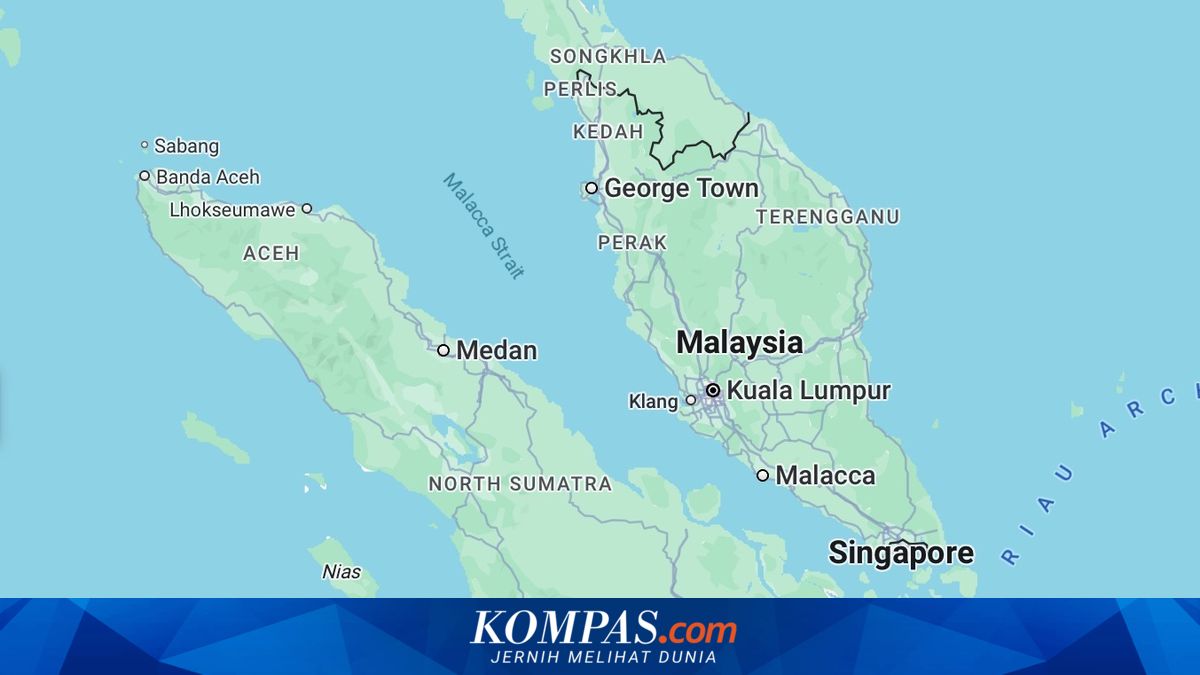
JAKARTA, KOMPAS.com — The Malacca Strait is once again in the spotlight amid rising global geopolitical tensions, particularly after conflicts in the Middle East have caused disruptions to major energy routes in the Strait of Hormuz. However, long before these dynamics developed, the Malacca Strait has been regarded as one of the world’s most important trade routes, both for energy distribution, global logistics flows, and Asian trade. This status is reflected in the substantial volume of traffic and commodities that cross the narrow waters spanning approximately 900 kilometres, bordered by Indonesia, Malaysia, Singapore, and Thailand. These figures position the Malacca Strait as the world’s largest oil transit chokepoint. In addition to oil, this route serves as the lifeline of the international supply chain. Quoted from Reuters on Friday (24/4/2026), more than 102,500 ships crossed the Malacca Strait throughout 2025, up from 94,300 ships in 2024. The majority are merchant ships and tankers. One of the main reasons the Malacca Strait is important for trade is its role as the primary energy corridor to Asia’s largest economies. Malay Mail, citing Bloomberg, states that the Malacca Strait handles a large portion of East Asia’s energy imports, including for China, Japan, and South Korea. This dependency makes these waters not merely a commercial route, but strategic infrastructure for regional energy security. This heavy reliance means that any potential disruptions in the route pose direct risks to China’s energy supplies and industries. In his opinion in New Straits Times, Professor of ASEAN Studies and Director of the Institute of International and ASEAN Studies at the International Islamic University of Malaysia, Phar Kim Beng, states that the increasing conflicts in the Middle East make the strategic significance of the Malacca Strait even greater because this route has become an extension of the dynamics in the Strait of Hormuz. “The Malacca (Strait) is no longer a passive transit route; it has become a strategic extension of (the Strait of) Hormuz,” he said.