
Why is the Ka'bah Cube-Shaped? Exploring Its History
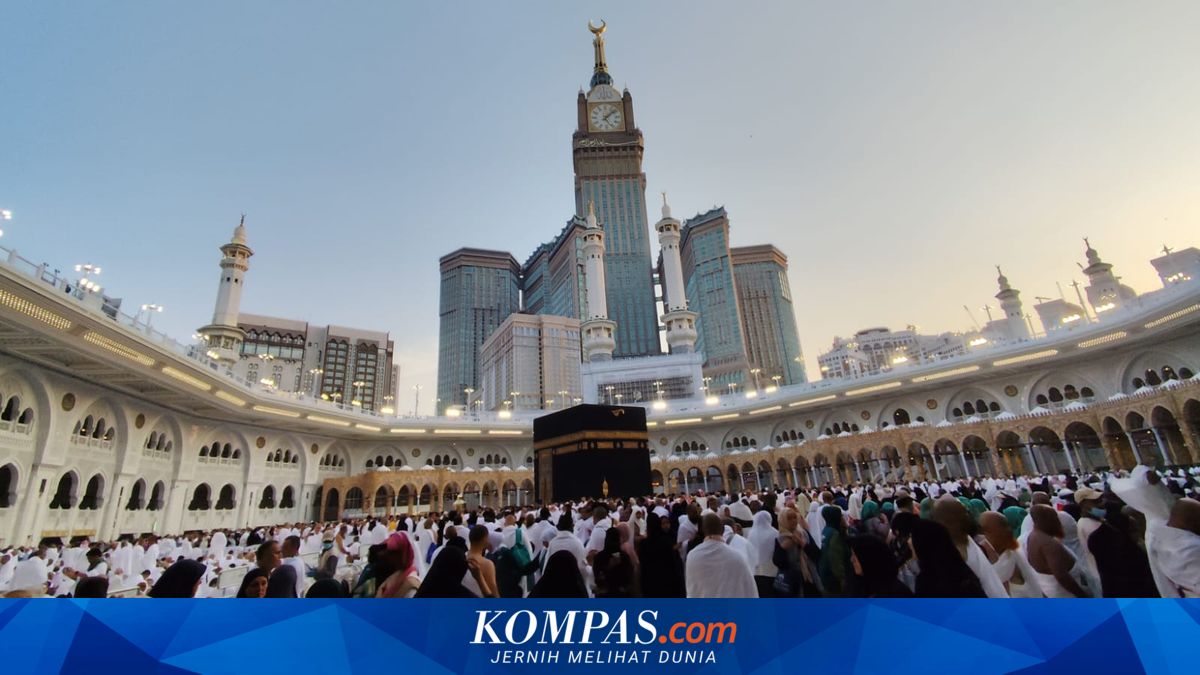
The Ka’bah is the most significant structure in Islamic teachings and a focal point for Muslims worldwide. Located in the Masjid al-Haram in Mecca, Saudi Arabia, it is a cube-shaped building covered by a black cloth known as the kiswah. Although now recognised by its distinctive cubic form, the current structure is the result of centuries of construction and renovation.
According to ResearchGate publications, Muslims believe the Ka’bah was first built by Prophet Ibrahim and his son, Prophet Ismail. It was established as a symbol of God’s oneness and a place of worship dedicated solely to Him. Designed without adornments or elements that could lead to worship of anything other than God, it serves as the central point of devotion.
Before the prophethood of Muhammad, the Ka’bah suffered damage from a major flood in Mecca, prompting the Quraysh tribe to rebuild it. Due to material and financial constraints during the renovation, the original foundation’s full dimensions could not be preserved, leaving part of the original area outside the new structure. This uncovered section is now known as the Hijr Ismail or Hatim, marked by a curved wall on one side of the Ka’bah.
The structural changes during reconstruction gave the Ka’bah its more cubic proportions, with balanced length, width, and height compared to earlier versions. Despite its simple design, the Ka’bah holds profound spiritual significance, serving not as a symbol of architectural grandeur but as a unifying focal point for Muslim prayer. Every Muslim faces the Ka’bah during prayer, connecting millions worldwide in a shared orientation towards Mecca. Its cubic form also conveys the purity of tawhid, as the Ka’bah is not an object of worship but a directional marker that unites Muslims in devotion to Allah SWT.