
Why Is North Korea Holding Back on Sending More Troops to Russia?
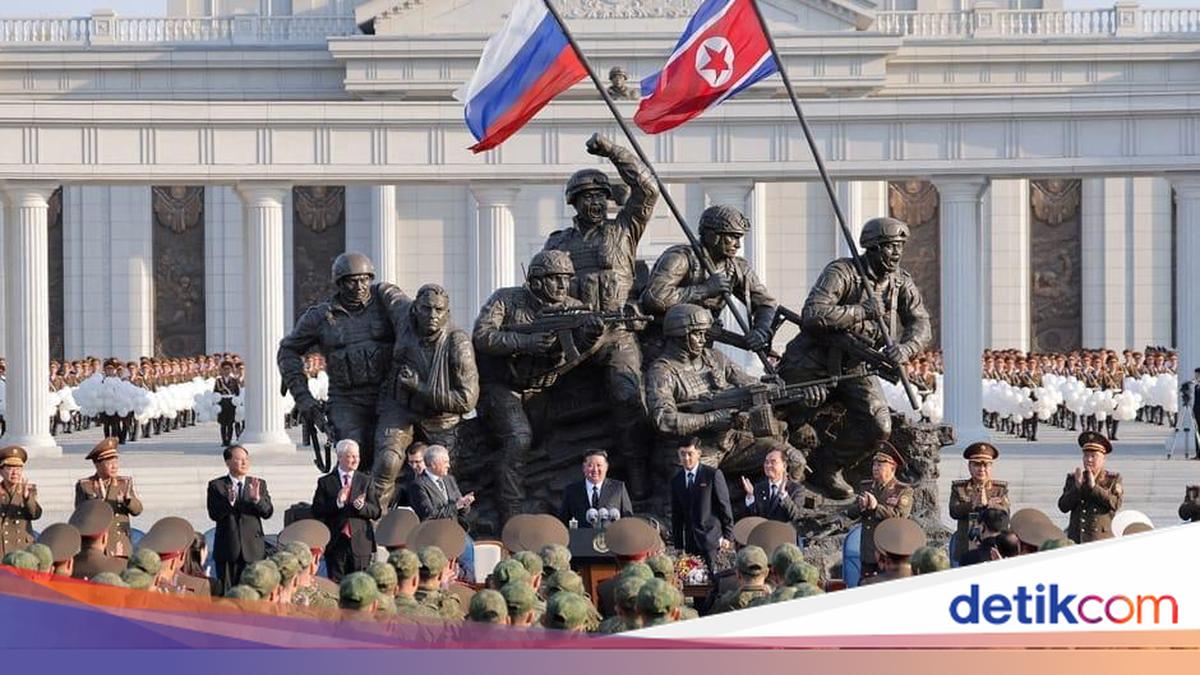
In the summer of 2026, Ukrainian President Volodymyr Zelenskyy estimated that between 30,000 and 50,000 North Korean troops would be deployed to Russia as part of Pyongyang’s continuing support for Moscow’s war effort.
However, the additional deployment has yet to materialise, and it remains unclear whether North Korea will continue sending large numbers of troops to Russia.
Andrii Kovalenko, who stepped down as head of Ukraine’s Centre for Countering Disinformation in September, wrote on Telegram on 9 November 2026, citing an August 2026 intelligence assessment that said the Kremlin had asked Pyongyang for more than 30,000 additional troops for its autumn offensive.
He said a summit between North Korean leader Kim Jong Un and Russian President Vladimir Putin had been planned for September 2026 but did not take place. Kyiv claims that Pyongyang sent thousands of troops to Russia’s Kursk region in 2024, where Moscow was seeking to repel a Ukrainian incursion.
Kovalenko believes Pyongyang rejected Moscow’s request because it was also asked to take part in offensive operations in Ukraine’s Donetsk region, which is occupied by Russia and may remain a red line for North Korea.
Nevertheless, Kovalenko added that Russia still relies on North Korean material support, particularly ammunition. He also considers a large-scale deployment of North Korean combat troops this winter unlikely.
Does Russia need North Korean reinforcements?
Han Ki-bum, a former deputy director of South Korea’s National Intelligence Service (NIS), told DW that a lull in fighting and the arrival of winter leave Pyongyang with little urgent reason to send reinforcements.
He added that Jo Yong-won’s visit to Moscow this week could offer clues about future plans. Jo is a senior North Korean official and a close associate of Kim Jong Un.
According to Han, it remains to be seen whether the visit is intended to deepen political ties between the ruling parties, continue existing military cooperation or prepare for a visit by Kim himself.
Ahn Chan-il, a former North Korean soldier who defected to South Korea in 1979 and now heads the World Institute for North Korea Studies in Seoul, said Moscow also has reasons to limit the deployment.
He told DW that Russia would weigh its battlefield needs against the cost of bringing in more North Korean troops. Unless the war expands, Ahn added, Moscow is unlikely to request a larger contingent.
North Korean weapons continue to flow
Kovalenko said North Korea still has a missile unit stationed in Russia’s Voronezh region, as well as around 8,500 support personnel in rear areas, including drone operators, technicians and engineering troops.
He added that Pyongyang is ramping up ammunition production and showcasing new drones and missiles.
In a post on X on 17 November 2026, Zelenskyy said Russia receives dozens of North Korean ballistic missiles every month.
He warned that using the missiles in Ukraine helps Pyongyang refine its weapons and poses a security risk to countries around the Korean Peninsula. Testing weapons on the battlefield is one of the main benefits North Korea gains from its military cooperation with Russia.
Balancing ties with Russia and China
Kovalenko said Pyongyang appeared to be pursuing what he called a “containment strategy”. This limits North Korea’s military commitment to Russia’s war while allowing it to maintain ties with both Moscow and Beijing.
In his assessment, this approach enables Pyongyang to continue benefiting from its alliance with Moscow while reducing the risks it faces from the war’s eventual outcome.
Ahn expects Pyongyang’s military cooperation with Moscow to continue, as Russian assistance is vital to North Korea’s efforts to develop drone technology and strengthen its navy.
However, the scope of that cooperation may be more limited in future, and Pyongyang could also turn to Beijing as a “fallback”.
Ahn added that if Russia limits North Korean troop deployments, Pyongyang’s foreign-currency earnings from sending personnel will be unlikely to grow. This gives Pyongyang another reason to seek greater support from Beijing.
Jeong Joon Hee, a former spokesperson for South Korea’s Ministry of Unification, told DW that recent moves to improve relations with Beijing may also reflect Pyongyang’s dissatisfaction with what Moscow has offered in return for North Korean assistance.
By strengthening ties with China while keeping relations with Russia stable, Jeong said, Pyongyang may also be trying to persuade Moscow to provide more assistance.
Kim Hyung Suk, a former vice-minister of unification in South Korea, told DW that North Korea needs economic, political and diplomatic support from China in addition to the backing it receives from Russia. He expects Pyongyang to continue seeking Chinese support, regardless of how it manages its role in the war.
Source: jawawa.id (https://jawawa.id/newsitem/why-is-north-korea-holding-back-on-sending-more-troops-to-russia-1795593240)
Originally published by detikcom (https://news.detik.com/dw/d-8769115/korut-menahan-diri-untuk-kirim-pasukan-tambahan-ke-rusia-kenapa), translated from Indonesian