
Why Is Malaria in Indonesia Difficult to Control? An Explanation from an UGM Expert
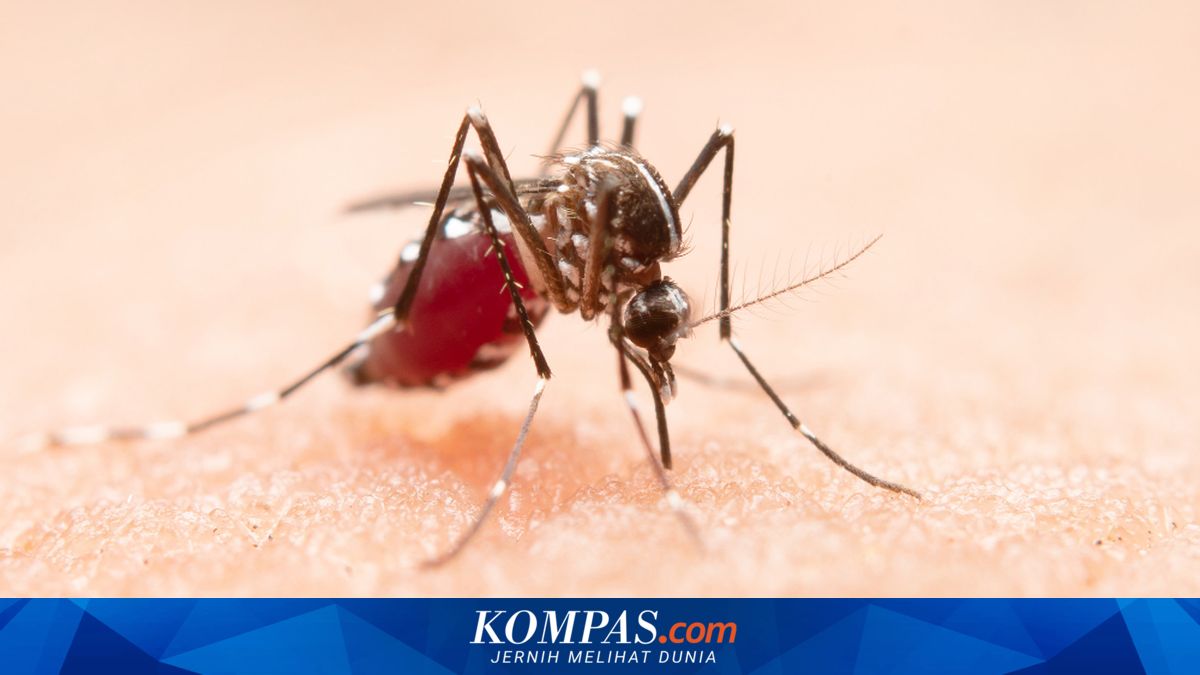
Penulis KOMPAS.com — In addition to medical issues, geographic characteristics and environmental conditions, as well as interactions between humans, animals and ecosystems in various parts of Indonesia, are major factors that make malaria difficult to control. The presence of clear-water puddles and high rainfall continues to support the breeding of Anopheles mosquitoes, the vectors of transmission. This upsurge requires serious handling and support from various parties to achieve success in eliminating malaria by 2030.
Professor Dr. drh. Wisnu Nurcahyo, Head of the Faculty of Veterinary Medicine at Gadjah Mada University (UGM), notes that malaria remains difficult to control in Indonesia because of its close link to environmental conditions. The environment in several parts of Indonesia is deemed to strongly support the breeding of Anopheles mosquitoes as vectors of transmission. ‘Mosquitoes are highly dependent on environmental factors. In other words, mosquitoes can live and reproduce well if the environment supports them. That is what makes malaria in various regions of Indonesia difficult to control,’ he said, quoted from the UGM website.
In the eastern region, particularly in Papua, geographic conditions such as high rainfall, mountainous topography, and the presence of many clear-water puddles create an ideal site for the breeding of malaria vectors. This natural condition means that around 95 percent of national malaria cases remain concentrated in that region. Wisnu added that similar conditions are also commonly found in other areas such as Kalimantan, Sumatra, and the Menoreh Hills in Kulon Progo, which still have endemic malaria.
‘If geographic conditions support it, malaria vectors will easily proliferate,’ he said.
Furthermore, Wisnu stated that the malaria chain in Indonesia does not originate solely from human-to-human transmission. From a veterinary-health perspective, there is a real threat of zoonotic malaria sourced from wildlife, especially primates such as the long-tailed macaque and the orangutan. One form of malaria that needs to be monitored closely is Plasmodium knowlesi. This parasite naturally lives in primates and can be transmitted to humans through bites by Anopheles mosquitoes.