
Why Is Halloween Celebrated on 31 October? Its History Explained
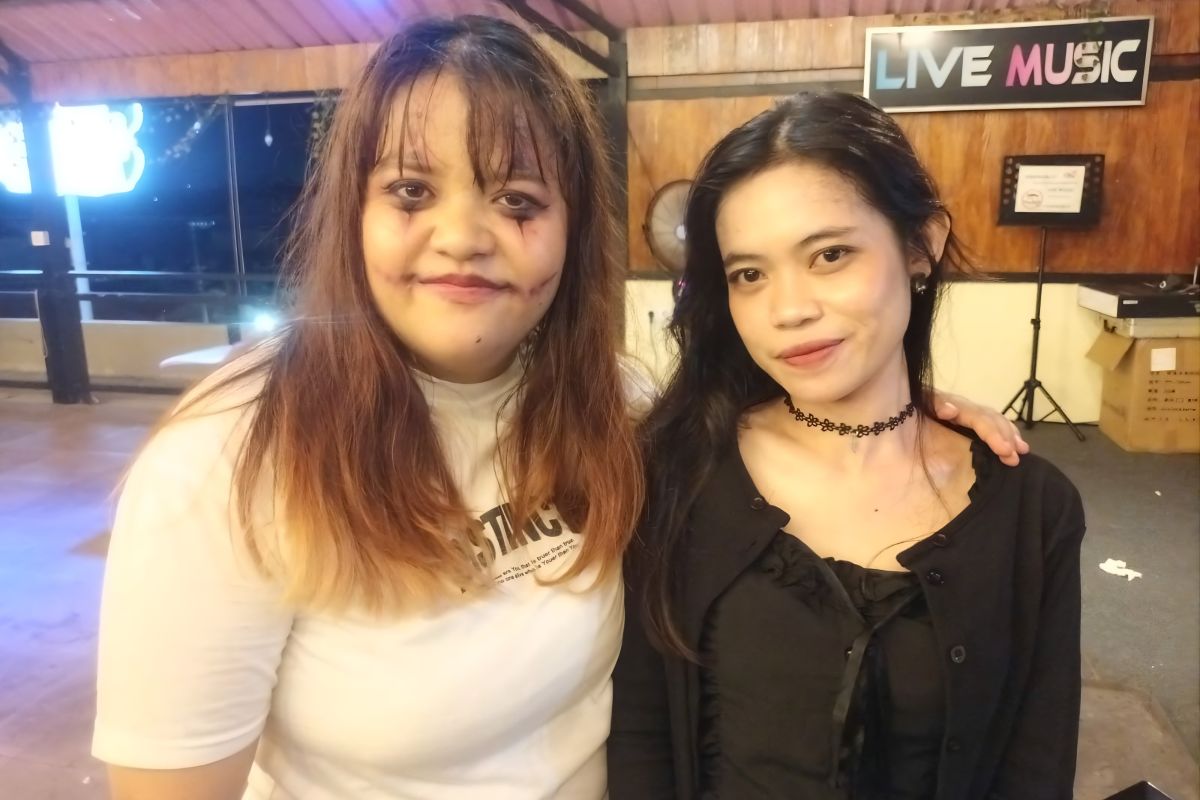
Jakarta (ANTARA) - Halloween is observed every 31 October with traditions associated with a spooky atmosphere, from dressing up as ghosts and carving pumpkins into lanterns to trick-or-treating, when people go from house to house asking for sweets.
The celebration is popular in several countries, particularly the United States, and is now also known to people in many parts of the world, including Indonesia. Behind the costume parties and horror-themed decorations, however, Halloween has a long history rooted in the traditions of the ancient Celtic peoples of Europe.
Why, then, is Halloween celebrated every 31 October? Here is a look at the history and development of the tradition.
Halloween’s origins are often linked to Samhain, an ancient festival celebrated by the Celtic peoples in areas that now include Ireland, Britain and parts of western Europe.
Samhain marked the end of the harvest and the beginning of winter. In the Celtic calendar, it also signalled the change of year, which took place in early November.
The ancient Celts believed that the night before Samhain was a time when the boundary between the world of the living and the spirit world became unclear. They believed the spirits of the dead could return to the human world that night.
To guard against what they saw as threats, people held celebrations, lit bonfires and wore disguises. These customs are believed to have been associated with protecting themselves from evil spirits as well as marking the change of season.
Halloween practices at the time were not entirely the same as the modern celebration. Over time, local beliefs and customs changed and blended with other traditions.
Halloween’s development was also influenced by Christian traditions that took root in Europe. The Church designated 1 November as All Saints’ Day, a day to honour saints.
The following day, 2 November, became known as All Souls’ Day, dedicated to remembering the faithful who had died.
The night before All Saints’ Day was called All Hallows’ Eve. The term later evolved into Halloween, referring to the observance on 31 October.
The connection between Samhain and Christian observances gives Halloween a layered history. Celtic traditions, local customs and religious influences evolved over centuries to shape the celebration known today.
Halloween later spread and grew in popularity in the United States, particularly after many immigrants from Ireland and other parts of Europe brought their traditions there in the 19th century.
Over time, Halloween shifted from a tradition associated with spiritual beliefs into a social and recreational event. Costume parties, spooky decorations, games and giving out sweets became central to the celebration.
One of its best-known customs is trick-or-treating. Children dress up and visit houses to ask for sweets or snacks. The custom developed from several European traditions, including wearing disguises and visiting people’s homes to obtain food.
The carved pumpkin, known as a jack-o’-lantern, has also become a symbol of Halloween. Before pumpkins became popular in the United States, people in parts of Europe used turnips or other vegetables to make lanterns.
Today, Halloween is celebrated in many ways, from costume parties and watching horror films to decorating homes with ghost-themed ornaments. Some people also use the occasion to organise community events and family-friendly activities.
Although its image still carries mystical associations, modern Halloween focuses more on entertainment, creativity and togetherness.
Its long history shows that Halloween is more than a horror-themed celebration. The date of 31 October belongs to a tradition that has evolved over centuries, from the Celtic festival marking the change of seasons to the popular celebration observed in many countries today.
Source: jawawa.id (https://jawawa.id/newsitem/why-is-halloween-celebrated-on-31-october-its-history-explained-1794106339)
Originally published by Antara (Indonesian) (https://www.antaranews.com/berita/5839311/mengapa-halloween-dirayakan-setiap-31-oktober-ini-sejarahnya), translated from Indonesian