
Why Is Abandoning Prayer Considered Disbelief? Quranic and Hadith Evidence
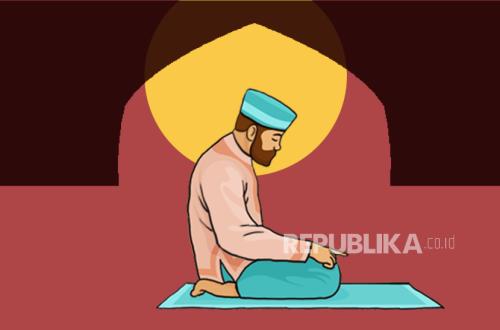
JAKARTA — Why is abandoning prayer considered a serious matter in Islamic teachings? Scholars base their discussion of the ruling on abandoning prayer on evidence from the Quran, the hadiths of the Prophet Muhammad and the views of the Companions. This evidence includes verses concerning the inhabitants of Saqar (Hell) and hadiths that associate abandoning prayer with disbelief.
In his book Shalaatul mu-min mafhuum wa fadhaa-il Wa aadaab wa anwaa’ wa ahkaam wa kaifiyyah fii dhau-il kitaab was sunnah, Dr Sa’id bin Ali bin Wahf al-Qahthani explains that abandoning the obligatory prayer is disbelief. Anyone who abandons prayer while denying that it is obligatory, according to the consensus of scholars, falls into the category of major disbelief, even if they sometimes perform it.
A person who abandons prayer completely while believing it is obligatory and not denying that obligation is also deemed to have committed disbelief. The correct view among scholars, the book says, is that this is major disbelief, which takes the person out of Islam. This is based on considerable evidence.
Allah the Almighty says:
“On the Day when the Shin will be bared and they will be summoned to prostrate, but they will not be able to do so, their eyes humbled and humiliation will cover them. They were indeed summoned to prostrate while they were sound [in body].” (Quran 68:42–43)
This, the article says, indicates that those who abandon prayer belong among the disbelievers and hypocrites, whose backs remain upright while Muslims prostrate. If they were among the Muslims, they would be permitted to prostrate as Muslims are.
Allah the Almighty says: “By the dawn when it brightens, indeed, it [Saqar] is one of the greatest [afflictions], as a warning to humanity — to whoever among you wishes to advance [in good] or fall behind [in wrongdoing]. Every soul is held in pledge for what it has earned, except the people of the right, who will be in gardens, asking one another about the wicked: ‘What has brought you into Saqar?’ They will say, ‘We were not among those who prayed, nor did we feed the poor. We used to indulge with those who indulged [in falsehood], and we used to deny the Day of Judgement, until the certainty [of death] came to us.’” (Quran 74:34–47)
Thus, those who abandon prayer are counted among sinners who will enter Saqar.
Allah the Almighty says:
“On the Day they are dragged into the Fire upon their faces, [it will be said to them], ‘Taste the touch of Saqar.’” (Quran 54:48)
Allah the Almighty also says:
“But if they repent, establish prayer and give zakat, then they are your brothers in religion. We make the signs clear for a people who know.” (Quran 9:11)
The article says this means Allah makes their brotherhood with the believers conditional on performing prayer.
Jabir reported: “I heard the Messenger of Allah say, ‘Between a person and polytheism and disbelief is the abandonment of prayer.’” (Sahih Muslim)
Abdullah bin Buraidah reported from his father that the Messenger of Allah said: “The distinction between us and them is prayer. Whoever abandons it has committed disbelief.” (Jami’ at-Tirmidhi)
Abdullah bin Shaqiq said: “The Companions of the Prophet Muhammad did not regard the abandonment of any deed as disbelief, except prayer.” (Jami’ at-Tirmidhi)
Many scholars have cited a consensus among the Companions that a person who abandons prayer is a disbeliever. Imam Ibn Taymiyyah said that such a person is judged to have committed major disbelief for ten reasons.
Imam Ibn al-Qayyim cited more than 22 proofs that abandoning prayer constitutes major disbelief. The article concludes that, in light of what it calls clear evidence, a person who abandons prayer altogether has committed disbelief.
Ibn al-Qayyim stated: “The disbelief of the person who abandons prayer is demonstrated by evidence from the Quran, the Sunnah and the consensus of the Companions.”
Source: jawawa.id (https://jawawa.id/newsitem/why-is-abandoning-prayer-considered-disbelief-quranic-and-hadith-evidence-1791550299)
Originally published by Republika (https://khazanah.republika.co.id/berita/tmn40z430/mengapa-meninggalkan-sholat-disebut-kufur-ini-dalil-alquran-dan-haditsnya), translated from Indonesian