
Why Iran Retaliated Against Israel's Attack on Lebanon
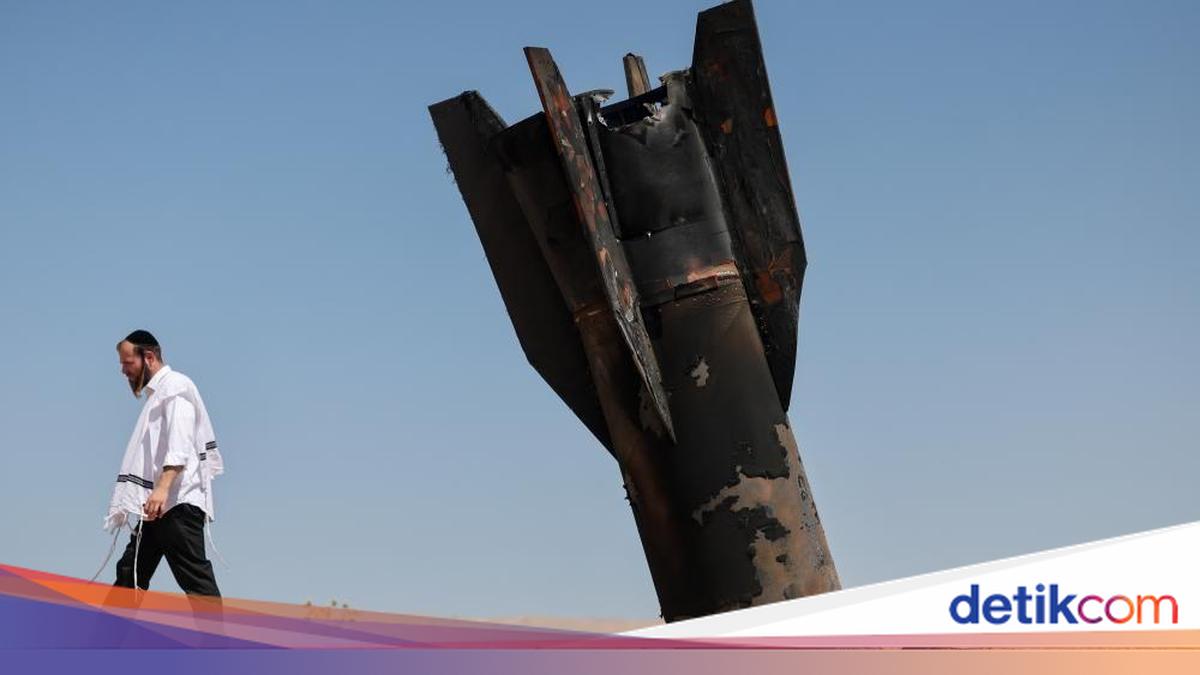
Iran’s retaliatory attack on Israeli territory on Sunday night through to Monday brought significant political repercussions, even though the military impact could be measured or even mitigated. The retaliation was Iran’s response after Israel struck a building suspected to be linked to Hezbollah, an Iranian ally, in southern Beirut a day earlier. These attacks occurred despite a recently renewed ceasefire mediated by the United States. Israel stated that the strike was direct retaliation for Hezbollah’s actions in firing rockets into northern Israel. However, in previous years, Iran has frequently launched direct attacks against Israel in retaliation for actions against Iranian territory, command, or even interests. This particular attack has a different tendency as it potentially endangers the ‘fragile’ peace negotiations with the United States. Part of the answer may lie in how Iranian leaders assess their position after months of conflict. The Islamic Republic has emerged from war weakened in some aspects, but also with a stronger sense of self-resilience. Despite military pressure from Israel and America, including economic sanctions and a US naval blockade, Iran is still holding out. The Iranian government remains in power, its security apparatus stays intact, and no mass rebellion has materialised as often predicted by opponent nations. That experience indicates that Iran has calculated everything. Rather than seeing itself as a vulnerable actor trying to avoid confrontation at all costs, Iran may increasingly view itself as a power that has successfully navigated the worst times and is now capable of enforcing firmer final boundaries. Therefore, Iran’s attack on Israel this time is very likely not just retaliation, but a preventive measure. Iran is most likely signalling that attacks on its regional allies will no longer be treated separately from attacks on Iran itself. Such a message would have particular significance for Hezbollah, Iraqi militias and other members of Iran’s regional network known as the ‘Axis of Resistance’. The credibility of Iran’s influence has always rested partly on the belief that Iran will stand behind its partners. When Iran does not react to Israeli attacks on its allies, it undermines Iran’s credibility within the Axis of Resistance. Viewed from this perspective, the attack was aimed not only at Israel, but also at Israel’s allies and the United States, which have been observing Iran’s conduct. Around the same time, US President Donald Trump recently mentioned that a deal might soon be reached. Iran was asked to avoid actions that could jeopardise diplomatic efforts. However, Iran’s convictions apparently differ. Iranian leaders could conclude that demonstrating limited military force can actually strengthen Iran’s position at the negotiating table, rather than weakening it. From Iran’s perspective, deploying military force can serve as a reminder that Iran still has the option to determine its own fate. Launching a military attack does not always mean Iran wants the negotiations to fail. Iran appears to have taken action to build a precedent and send a political message, but not on a scale that would cause the conflict escalation to grow. Reactions among Iranians to the retaliation were varied, with a number of parties viewing Iran’s action as a justified response. A BBC Persian reader said it was right for Iran to join the conflict to defend Lebanon as a form of solidarity. Others questioned Iran’s priorities, noting there had been several battles in southern Iran with no serious response. Many are beginning to question where this conflict is heading. Another possibility is that the retaliation reflects Iran’s dissatisfaction with the direction of the negotiations. If Iran believes it is being asked to make concessions without receiving meaningful benefits in return, this action might be a way to increase leverage before the next phase of negotiations. The attack demonstrates a leadership feeling more confident than many experts previously estimated. The key question is not whether Iran is ready for another Israeli attack, but rather whether Iran now believes it can carry out military strikes while simultaneously conducting diplomacy. If that is the case, Iran might be trying to establish a new regional reality where it negotiates from a position of strength while actively projecting military force.