
Why Iran Is Taking a Huge Risk Over the Strait of Hormuz
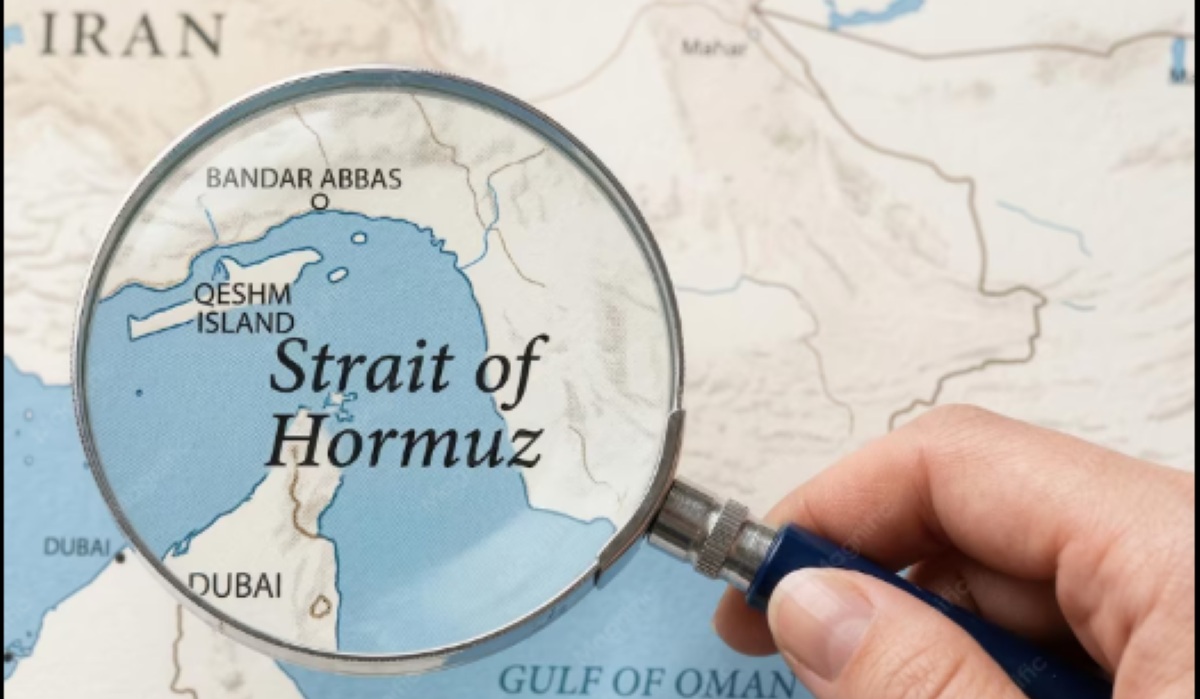
After ten days of exchanging attacks with the United States in a struggle for control of the vital Strait of Hormuz waterway, Iran’s leaders are now confronted with three difficult choices. Yet none of these options offers a clear path to victory for Tehran. The first option is to accept most of Washington’s demands. This includes guaranteeing free and safe passage in the Strait of Hormuz by halting attacks on commercial vessels, surrendering or diluting stocks of highly enriched uranium, and accepting stringent inspections by the global nuclear watchdog. In return, Tehran would demand an end to the US naval blockade of Iranian ports, sanctions relief, and protection from further attacks. Although this is the cheapest option economically, it is the most expensive politically. Surrendering control of Hormuz without a recognised role means discarding a new deterrent leverage deemed more effective than missiles or regional proxies. The second option is escalation. Iran could intensify attacks on US bases, shipping, and vital infrastructure in Gulf Arab states. The hope is that a surge in energy prices and global disruption would force Washington to compromise. However, the military risk is enormous. An attack causing mass casualties could trigger a broader coalition against Iran. The third option is to maintain the current instability. Iran applies enough pressure on energy markets to retain bargaining power, but not enough to provoke all-out war. This strategy aligns with the Islamic Republic’s traditional thinking: outlasting the adversary. Yet sanctions, war damage, and spiralling domestic inflation make this strategy of endurance increasingly difficult to execute. Iran’s decision-making process is further complicated. Following the death of Ayatollah Ali Khamenei in an attack during the early stages of the US-Israel war with Iran last February, the balance of power under his son Mojtaba Khamenei’s leadership remains unclear. President Masoud Pezeshkian and his diplomats may lean towards a settlement to restore economic stability. Conversely, hardliners in parliament and the Revolutionary Guard fear that major concessions will undermine the state’s ideological foundations. The Revolutionary Guard, whose influence is rooted in the missile programme and Hormuz strategy, holds a key role, though the weight of its influence in negotiations remains uncertain. At the grassroots level, the leadership’s narrative of resistance clashes with the harsh reality faced by citizens. Although a Memorandum of Understanding was briefly reached in June to halt military operations, President Donald Trump declared the ceasefire over after just three weeks following renewed Iranian attacks. Residents in Tehran report a stifling economic climate: the closure of foreign trade companies, mass unemployment, soaring prices, and power and water outages. ‘No one is hiring because no one knows what will happen,’ said one resident who lost their job. This uncertainty is testing the limits of public patience, as citizens are asked to continue bearing the burden for the government’s resistance agenda.