
Why Iran Chooses to Strike Gulf States Instead of US Warships: Military Expert Explains
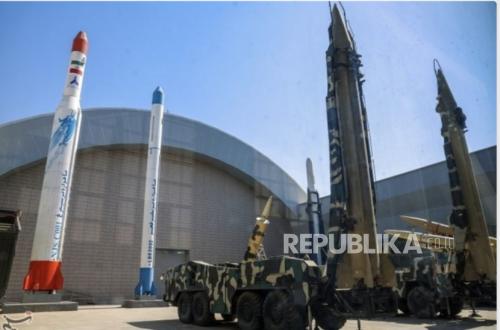
JAKARTA — The pace of military escalation in the Middle East continues to increase. The United States Central Command (CENTCOM) is reported to have intensified its air strikes, hitting nearly 300 targets in a short period.
The operation is intended to cripple Iran’s military infrastructure related to its strategy for seizing and controlling the Strait of Hormuz.
In an analysis given to Al Jazeera, quoted on Tuesday (14/7/2026), military expert Brigadier General (Ret) Elias Hanna explained why Tehran avoids direct attacks on United States warships and instead directs its strikes towards the territory of neighbouring countries.
According to Hanna, the decision is based on calculations of cost and military effectiveness. Attacking American military units directly risks triggering a harsh and devastating response from Washington.
He reminded that the United States had previously issued stern warnings that its personnel must not be targeted in the various confrontations in the region.
Beyond the enormous risk of retaliation, Hanna assessed that American warships are also difficult targets to attack, as they are equipped with layered air defence systems and advanced protective technology.
As a result, these military assets lie beyond the effective reach of Iran’s direct deterrence systems.
Based on these conditions, Hanna explained that Iran’s current deterrence strategy rests on two main pillars.
Source: jawawa.id (https://jawawa.id/newsitem/why-iran-chooses-to-strike-gulf-states-instead-of-us-warships-military-expert-explains-1784029979)
Originally published by Republika (https://khazanah.republika.co.id/berita/ti5wq0320/mengapa-iran-memilih-serang-negara-teluk-ketimbang-kapal-perang-as-ini-kata-pakar-militer), translated from Indonesian