
Why Indoor Air Quality Matters and the Role of Air Conditioning
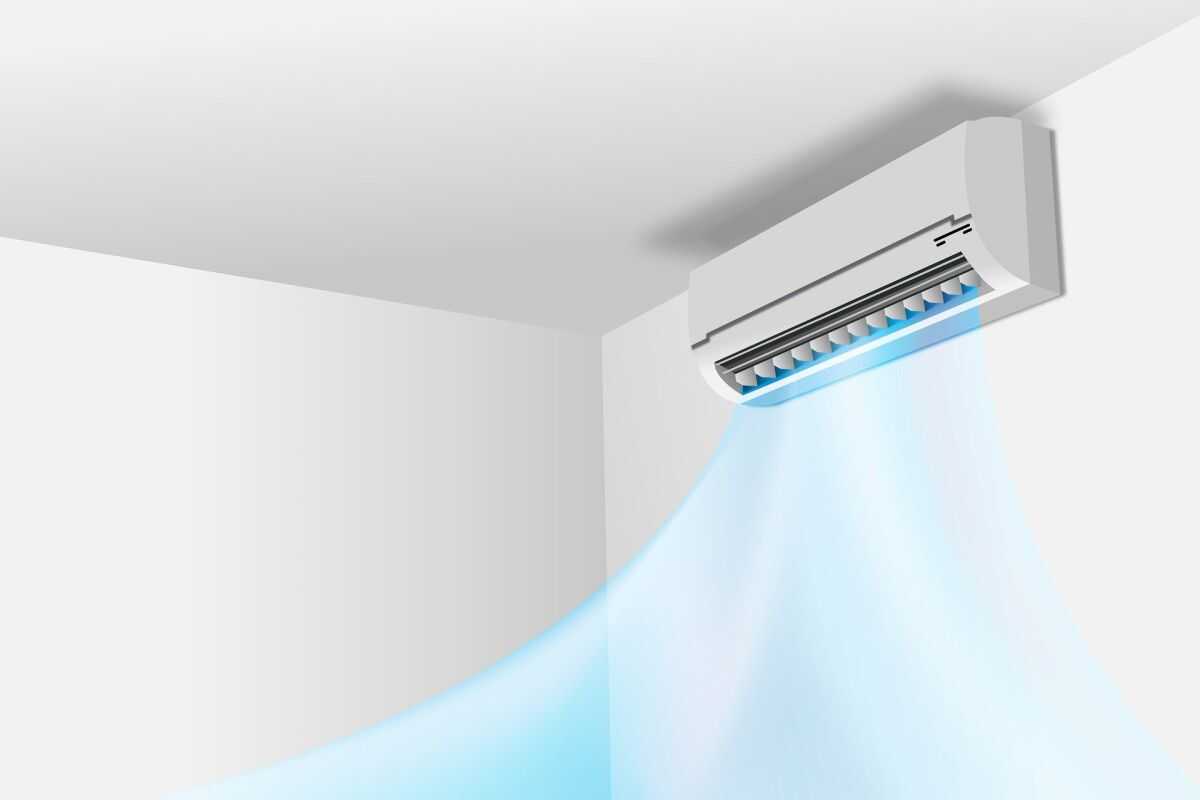
Indoor air is often regarded as safe simply because it does not appear dirty. In fact, indoor air quality warrants closer attention, especially in homes, offices, classrooms, and commercial spaces that are used for extended periods. Fine dust, excess humidity, poor air circulation, and the accumulation of invisible particles can affect the comfort and health of occupants.
In this context, air conditioning (AC) is no longer understood merely as a cooling device. The air conditioning system also helps to maintain a stable temperature, control humidity, and, in certain types, filter particles in the air. Therefore, understanding the function of AC is important, especially for people who want to create spaces more comfortable for daily activities.
Indoor Air Quality Cannot Be Ignored
Many people spend most of their time indoors. When the air inside a space feels stuffy, too humid, or dusty, productivity and comfort can decline. In the long term, such conditions can trigger minor issues such as dry eyes, an uncomfortable nose, a dry throat, and poorer quality of rest.
Good indoor air quality is typically characterised by a comfortable temperature, maintained humidity, and circulation that supports occupants’ activities. A room that is too hot can make the body tire quickly, while a room that is too humid can create a sense of stuffiness and promote mould growth in corners.
Role of AC in Maintaining Room Comfort
AC contributes to creating more stable room conditions. Its function is not only to lower the temperature but also to reduce humidity so the room feels more comfortable. In certain situations, AC also helps protect electronics, documents, or furniture from excessive heat and humidity.
Keeping Temperature Steady
Consistent room temperature helps occupants carry out activities more comfortably. In a workspace, a room that is too hot can reduce focus. At home, unstable temperatures can make rest less optimal. AC helps keep temperatures from fluctuating too much, especially in the daytime or when the weather is hot.
Controlling Humidity
In addition to heat, humidity is a factor often overlooked. Air that is too humid can feel sticky and make spaces feel less fresh. AC helps reduce excessive humidity so the room feels cooler and comfortable to use for extended periods.
Assisting in Air Filtration
Many modern AC units are equipped with filters that help filter dust and certain particles from the air circulating inside the room. However, its effectiveness still depends on the type of filter, frequency of use, and maintenance. Therefore, cleaning filters regularly remains an important step.
Things to Consider When Using AC
Proper use of AC will yield more optimal benefits. Conversely, careless use can make a space feel less comfortable and increase electricity consumption.
Choose Capacity Matching Room Size
An air conditioner with too small a capacity will work harder to cool a room. Conversely, a capacity that is too large is not necessarily efficient for certain needs. Matching AC specifications to the room’s size is an important initial step before buying.
For some people, comparing AC prices is part of the consideration, but ideally the decision should not be based solely on price, but also on capacity fit, features, and long-term energy efficiency.
Regularly Cleaning Filters
A dirty filter can impede airflow and reduce AC performance. Consequently, the room takes longer to feel cool. Regular cleaning of filters helps maintain air circulation quality and supports the unit’s optimal performance.
Set Temperatures Reasonably
Setting the temperature too low does not always make a room feel more comfortable. In many conditions, moderate temperature settings are enough to maintain coolness while being more efficient. The most important thing is to strike a balance between comfort and energy use.
AC as Part of Modern Living
Demand for AC today is increasingly linked to quality of life, not just lifestyle. In hot-climate regions, the presence of AC helps create spaces that better support work, study, rest, and family gatherings. However, these benefits will be more noticeable if AC usage is accompanied by a proper understanding of its functions, capacity, and maintenance.
Ultimately, indoor air quality is an essential part of daily comfort. AC can play a major role in maintaining it, provided it is chosen according to need and maintained regularly. In that way, spaces will not only feel cooler but also be better suited to support healthy and productive activities.