
Why Indonesia Still Imports Raw Materials for Nappies and Pipes
Indonesia’s petrochemical industry faces a paradox: several products can already be manufactured domestically at considerable scale, but imports continue to flow in and weigh on demand for local output.
Two products in focus are polyvinyl chloride (PVC) and superabsorbent polymer (SAP). Both have substantial domestic markets, serving uses ranging from construction materials to everyday goods such as baby nappies.
Sri Bimo Pratomo, director of upstream chemical industries at the Ministry of Industry, said Indonesia had become ASEAN’s largest PVC producer. National production capacity is set to reach 1.22 million tonnes a year in 2026.
“By 2026, Indonesia will have optimised capacity of up to 1.22 million tonnes a year, making it the leading PVC producer in ASEAN. Domestic demand is growing by 5.1% a year, meaning PVC demand could reach 873,000 tonnes in 2027,” Bimo said at a media gathering of the Industrial Journalists Forum (Forwin) in Sentul on Friday (6 November 2026).
In theory, that capacity should be enough to meet national PVC demand. However, the market is still under pressure from imports offered at lower prices.
“Domestic production should be able to meet all this demand. But in reality, imports are plentiful because, as I said, the petrochemical industry overseas is facing oversupply,” he said.
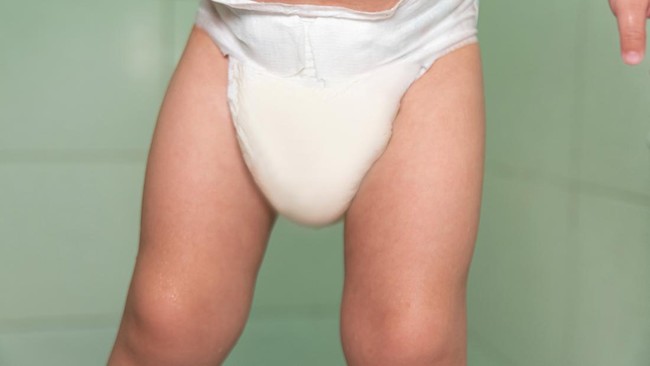
A similar issue affects the superabsorbent polymer industry. SAP is used to make products that absorb liquids, including baby nappies and other hygiene products.
Indonesia currently has only one SAP producer, with annual capacity of 90,000 tonnes. The company plans to raise capacity to 140,000 tonnes a year in early 2027.
“Our demand is around 100,000 tonnes, so we want this industry to supply it. But imports are also plentiful. Superabsorbent polymer is a challenge,” Bimo said.
Inaplas secretary-general Fajar Budiono also highlighted the large volume of petrochemical imports entering Indonesia. PVC imports alone could once again reach hundreds of thousands of tonnes this year.
“Our figures for PVC are similar. We need to push for action so imports do not become too large. Our records show imports could reach around 300,000 tonnes this year if they are not curbed,” Fajar said.
Source: jawawa.id (https://jawawa.id/newsitem/why-indonesia-still-imports-raw-materials-for-nappies-and-pipes-1793973028)
Originally published by CNBC Indonesia (https://www.cnbcindonesia.com/news/20261106170551-4-783074/bahan-baku-popok-sampai-pipa-ri-masih-impor-ini-penyebabnya), translated from Indonesian