
Why India's Communist Parties Are Losing Influence
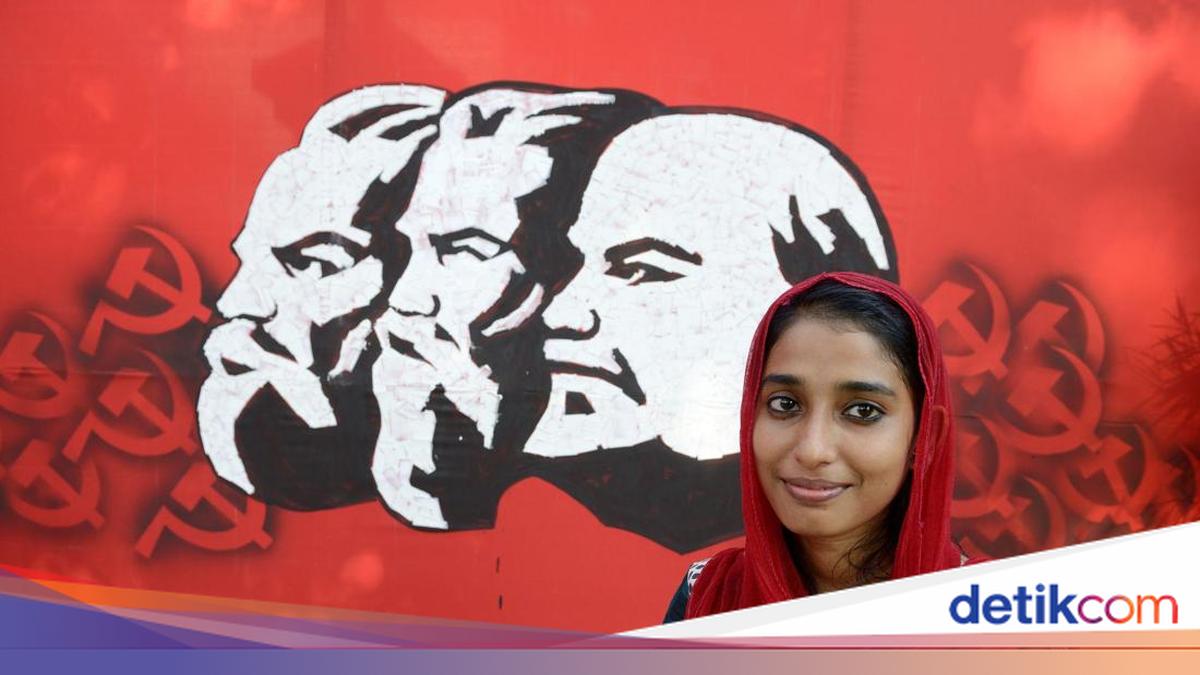
For the first time since 1957, Communist parties in India do not govern any state. The recent defeat of the Communist Party of India (Marxist)-led Left Democratic Front (LDF) in Kerala state, after a decade in power, marks the end of the world’s longest-running democratic communist system—at least for now. At their peak, Indian communist parties governed multiple states, from West Bengal to Kerala and Tripura. They influenced the lives of over 100 million people through trade unions, farmers’ organisations, student wings, and structured cadres. In West Bengal, the Left Front ruled continuously from 1977 to 2011—the world’s longest-serving elected communist government. In Tripura, the left held power for 35 years, including a 25-year uninterrupted stretch before being defeated by Prime Minister Narendra Modi’s Bharatiya Janata Party (BJP) in 2018. Kerala took a different path. Since 1957, when it elected the world’s first democratically elected communist government under EMS Namboodiripad, power alternated between the left and Congress, making communists a persistent but never dominant force. In 1996, Jyoti Basu, a CPI(M) co-founder and West Bengal’s chief minister, nearly became India’s prime minister as a coalition leader. His party rejected the offer—a decision he later called a ‘historic mistake’. Communist parties also played a key role in Delhi’s coalition politics. In 2008, they withdrew support from Prime Minister Manmohan Singh’s government over the US nuclear deal, holding 62 lower house seats sufficient to force a confidence vote—though the deal was eventually passed. Their reach extended beyond parliament. Despite economic stagnation in West Bengal and concerns over declining education standards under left-wing rule, communist parties retained significant influence over economic thought and intellectual and cultural life beyond their electoral base. However, most agree this influence has now waned. Today, left-wing strength is uneven. In Kerala, despite recent setbacks, the left remains politically significant. In Tamil Nadu, they survive through alliances. In Bihar, the Communist Party of India (Marxist-Leninist) has emerged as a dynamic grassroots force in some areas. Meanwhile, left-backed student groups still hold sway at top universities. But in West Bengal and Tripura—once strongholds of the left—communist parties have drastically declined. Nationally, the CPI(M)’s vote share has fallen from over 6% at its 1980s peak to under 2% in the latest general election. This decline reflects the fading of old political language: class struggle and collective mobilisation are gradually being replaced by identity politics, nationalism, populist figures, and welfare policies. Mohammed Salim, CPI(M) secretary in West Bengal, views this as part of broader historical currents. Since the 1990s, he says, the rise of Hindu nationalism and market liberalisation has created ‘religious, political, and economic assaults’ that have squeezed the left from all sides. ‘The middle class has been shown the green pastures,’ he says. ‘Development, modernisation, infrastructure—you get your share. Aspirations are awakened.’ Communists, he argues, struggle to confront politics increasingly centred on caste and religion rather than class. ‘Divisive politics weakens class unity,’ Salim says. However, experts argue the left’s decline cannot be solely attributed to rising Hindu nationalism, caste politics, or aspirational politics. Unlike China or Vietnam, Indian communist parties govern only at the state level within a ‘federal political economy’, says Sanjay Ruparelia, a politics professor at Toronto Metropolitan University. This places them under growing pressure to attract private investment and spur growth. In West Bengal, this contradiction is stark: a party that rose through land reforms is now accused of seizing farmers’ land in the name of industrialisation. In Tripura, the left-wing government held uninterrupted power for 25 years before being defeated by the BJP in 2018. Kerala stands out for internationally recognised achievements such as decentralised planning, high social indicators, strong literacy rates, poverty reduction, and a robust public health system. Yet the model faces fundamental pressures. ‘Kerala remains heavily reliant on volatile foreign remittances, leading to rising fiscal pressures and inadequate job creation, especially for the young,’ says Ruparelia. More strikingly, Kerala’s communists themselves have begun shifting towards economic models they once rejected. A policy document C