
Why Have Petrol Prices in the US Surged Despite Low Middle East Oil Imports?
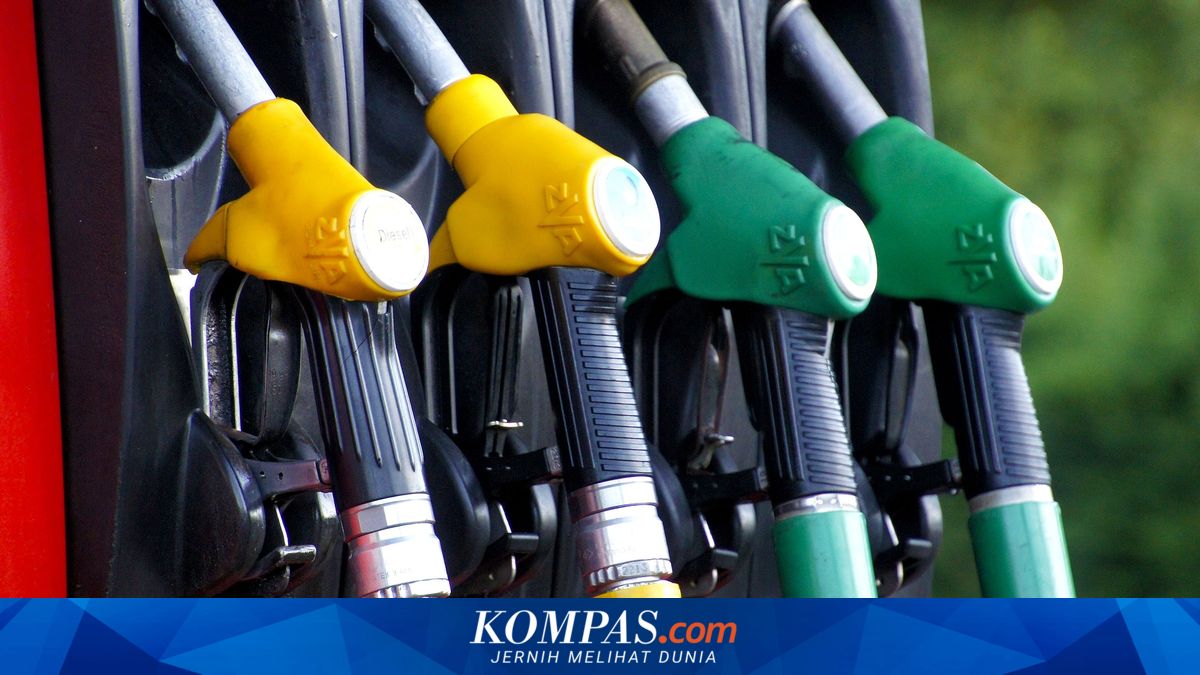
Petrol prices in the United States have surged sharply in recent weeks amid escalating conflict in the Middle East, particularly involving Iran and the strategic shipping route of the Strait of Hormuz. This rise in energy prices is occurring despite the US no longer being heavily reliant on oil imports from the Middle East. However, the interconnected global oil market means that disruptions in worldwide supply still directly impact fuel prices in the Land of Uncle Sam. The increase was triggered by a spike in global crude oil prices due to fears of interrupted oil distribution through the Strait of Hormuz. The Strait of Hormuz is a narrow passage connecting the Persian Gulf to the Arabian Sea. This route is one of the most critical points in global energy trade, as approximately one-fifth of the world’s oil flow passes through the area. The war has caused oil tankers to be held up around the Strait of Hormuz. USA Today reported that when the US initiated airstrikes against Iran, global oil prices immediately surged in international markets. The US benchmark crude oil price, West Texas Intermediate (WTI), rose from around $67 per barrel on 27 February 2026 to about $105 per barrel on 30 March 2026. This global oil price increase was driven by supply disruptions in the Middle East region due to the closure of the Strait of Hormuz, heightened risks in oil shipping, and damage to energy infrastructure from the war. These supply disruptions have caused oil prices to soar globally, including in the US. In mid-April 2026, petrol prices in the US briefly fell for nearly two weeks as hopes emerged that the conflict was beginning to ease. “After the announcement of an initial ceasefire, a kind of optimism arose that this could truly be the beginning of the end of the conflict,” said Rob Smith, Global Fuel Retail Director at S&P Global Energy. However, that optimism did not last long. Renewed tensions between the US and Iran have pushed oil prices back up, driving petrol prices at filling stations to surge once more. Smith stated that as long as the Strait of Hormuz remains disrupted, pressure on oil and petrol prices will persist. “Regardless of what the government says or what market players think, there is real upward price pressure occurring every day because the Strait of Hormuz is still facing obstacles. And those obstacles are still very severe,” he added. The US is actually the world’s largest oil producer. USA Today noted that the US produced more than 13 million barrels of crude oil per day as of January 2026.
Source: jawawa.id (https://jawawa.id/newsitem/why-have-petrol-prices-in-the-us-surged-despite-low-middle-east-oil-imports-1778230585)
Originally published by Kompas (https://money.kompas.com/read/2026/05/08/150534026/mengapa-harga-bensin-di-as-melonjak-meski-impor-minyak-timur-tengah-kecil?utm_source=ABC&utm_medium=rss), translated from Indonesian