
Why Has Pakistan Emerged as a Mediator Between the US and Iran?
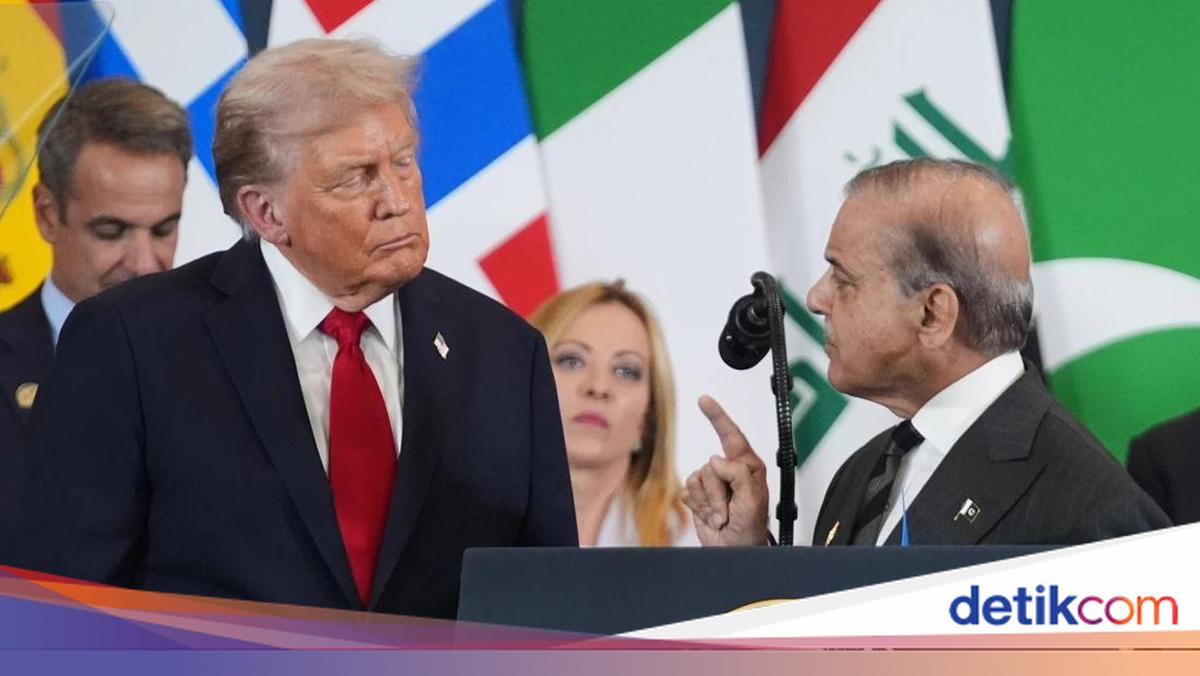
As concerns mount over a wider regional conflict following US and Israeli attacks on Iran launched since late February, Pakistan has emerged as an unexpected mediator. Islamabad has offered assistance to bring Washington and Tehran to the negotiating table.
Pakistan, as reported by Associated Press and abc.net.au on Saturday (28/3/2026), is rarely called upon to act as an intermediary in high-stakes diplomacy. Previous negotiations between the US and Iran have been facilitated by Middle Eastern countries such as Qatar and Oman.
However, with those countries under Iranian attack during the war, Islamabad has taken on the role. There are several underlying reasons, including good relations with both the US and Iran, as well as Pakistan’s numerous interests in resolving the war.
Islamabad obtains most of its oil and gas from the Middle East, with as many as 5 million Pakistani citizens reported to be working in the Arab world, sending substantial remittances each year—amounts nearly equal to the country’s total export earnings.
Pakistani government officials stated that their public peace efforts follow several weeks of quiet diplomacy. However, they provided little detail on that quiet diplomacy.
Islamabad has also expressed readiness to host negotiations between US and Iranian representatives. This further fuels speculation that back-channel talks are underway.
“Pakistan welcomes and fully supports the ongoing efforts for dialogue to end the war in the Middle East,” wrote Pakistani Prime Minister Shehbaz Sharif in a statement via social media platform X this week.
Pakistan’s role in the US-Iran negotiations was revealed a few days ago following several media reports. Alongside Egypt and Turkey, Pakistan is believed to be acting as a go-between, conveying messages and exploring ways out of the most disruptive energy crisis in decades.
On Thursday (26/3), Pakistani Deputy Prime Minister Ishaq Dar, who also serves as Foreign Minister, confirmed that indirect talks are ongoing between Washington and Tehran through messages relayed by Islamabad. He also alluded to the roles of Cairo and Ankara.
Dar revealed that a 15-point US ceasefire proposal has been conveyed to Iran and is now under consideration.
“Dialogue and diplomacy are the only way forward!” Dar stated via social media platform X.
The US Special Envoy for the Middle East, Steve Witkoff, stated that Pakistan is acting as a mediator, confirming previous statements by Islamabad officials. He even mentioned that a meeting with Iran is expected this week.
Specific details of the potential meeting between US and Iranian representatives in Islamabad remain unclear.
However, reports indicate two possible formats under discussion. One format would bring together Iranian Foreign Minister Abbas Araghchi with Witkoff and Jared Kushner, Trump’s son-in-law and one of the US negotiators. The other would involve US Vice President JD Vance meeting with Iranian parliament speaker Mohammad Bagher Ghalibaf.
Whether such a meeting will actually take place is not yet clear. What is clearer is that Pakistan has played an important role.
Pakistan is said to have leveraged a series of relationships that few other countries can match. In recent days, Islamabad’s top leadership has made direct contact with all parties.
The Chief of Army Staff of Pakistan, Field Marshal Asim Munir, has spoken with US President Donald Trump. Munir even has extraordinary direct access to Washington and has met Trump twice in the past year. He is regarded as a trusted mediator.
At the same time, Pakistan represents Iran’s diplomatic interests in the US—a sign of trust from the Tehran regime. Prime Minister Sharif has spoken by telephone with Iranian President Masoud Pezeshkian. This lends credibility to Islamabad on both sides.