
Why Gen Z Dislikes Vegetables: The 4 Main Reasons
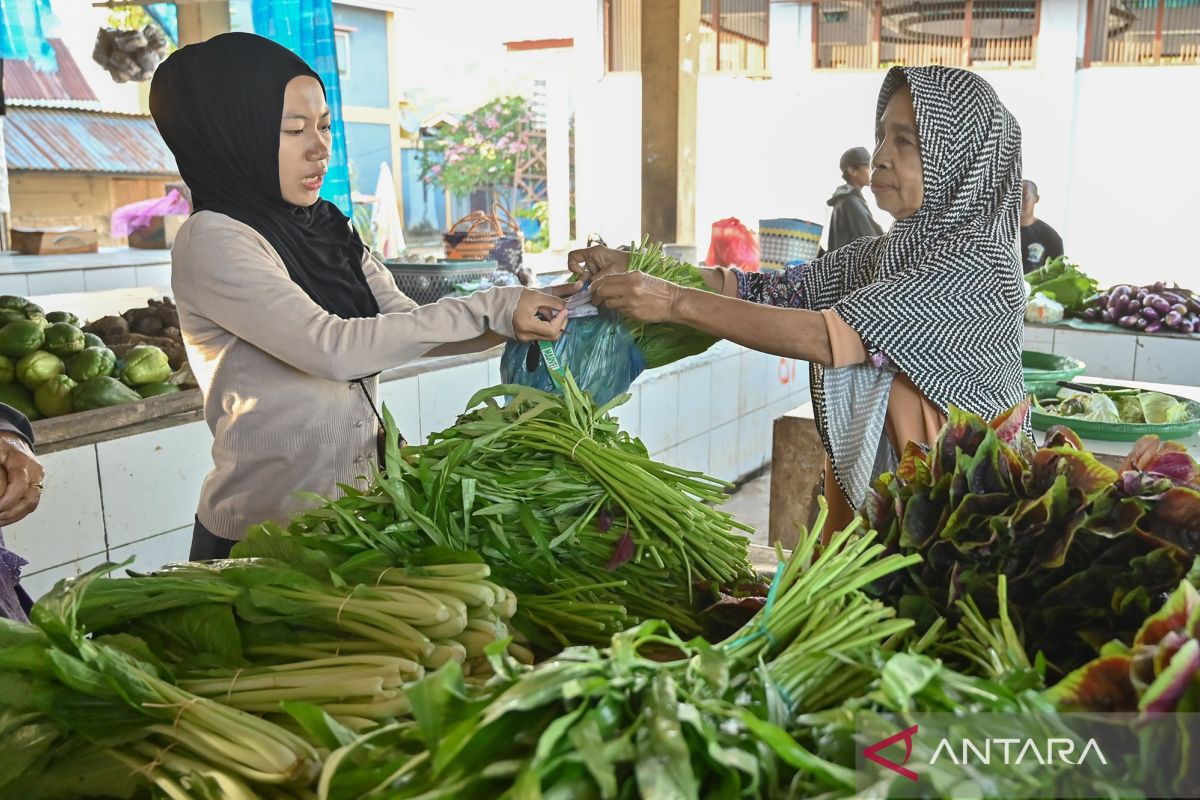
Jakarta (ANTARA) - The reluctance of the younger generation (Gen Z) to consume vegetables has become a serious concern in the field of public health. Data from the Basic Health Research (Riskesdas) by the Indonesian Ministry of Health shows that approximately 95% of adolescents and young people in Indonesia are classified as consuming insufficient amounts of vegetables and fruits.
This is further supported by Jakpat survey data, which places Gen Z as the generational group with the lowest level of fruit and vegetable consumption compared to Generation X and Millennials.
The low interest of Gen Z in vegetables is not merely a matter of being ‘picky eaters’, but is influenced by a combination of biological factors, habits, and modern lifestyles.
- Genetic sensitivity to bitter flavours
Biologically, there is a gene called TAS2R38 that regulates the level of tongue sensitivity to bitter tastes. Individuals with certain genetic variations (supertasters) can perceive bitter compounds such as glucosinolates in vegetables (for example, cabbage, broccoli, and bitter melon) much more intensely than others. This sharp bitterness often makes young people reluctant to consume them.
- The influence of ultra-processed foods
Gen Z grew up in an era where fast food and ultra-processed foods are highly accessible through online delivery services. These processed foods are designed to be high in sugar, salt, and saturated fats, which constantly trigger dopamine release in the brain. As a result, the palate of young people has become accustomed to hyperpalatable flavours, making vegetables with natural flavours that tend to be bland or bitter feel less appetizing.
- Unappealing textures and preparation methods
Scientific research regarding the determinants of adolescent eating behaviour shows that cooking methods play an important role. Overcooked vegetables often lose their bright colours, become mushy in texture, and produce unpleasant aromas. A lack of variety in vegetable preparation within households triggers boredom among Gen X.
- Time constraints and practicality
The fast-paced lifestyle of Gen Z makes practicality a top priority. Preparing and cleaning fresh vegetables requires longer preparation time compared to consuming ready-to-eat meals or packaged snacks.