
Why Doesn’t Yogyakarta Have Tall Buildings? Here’s Why
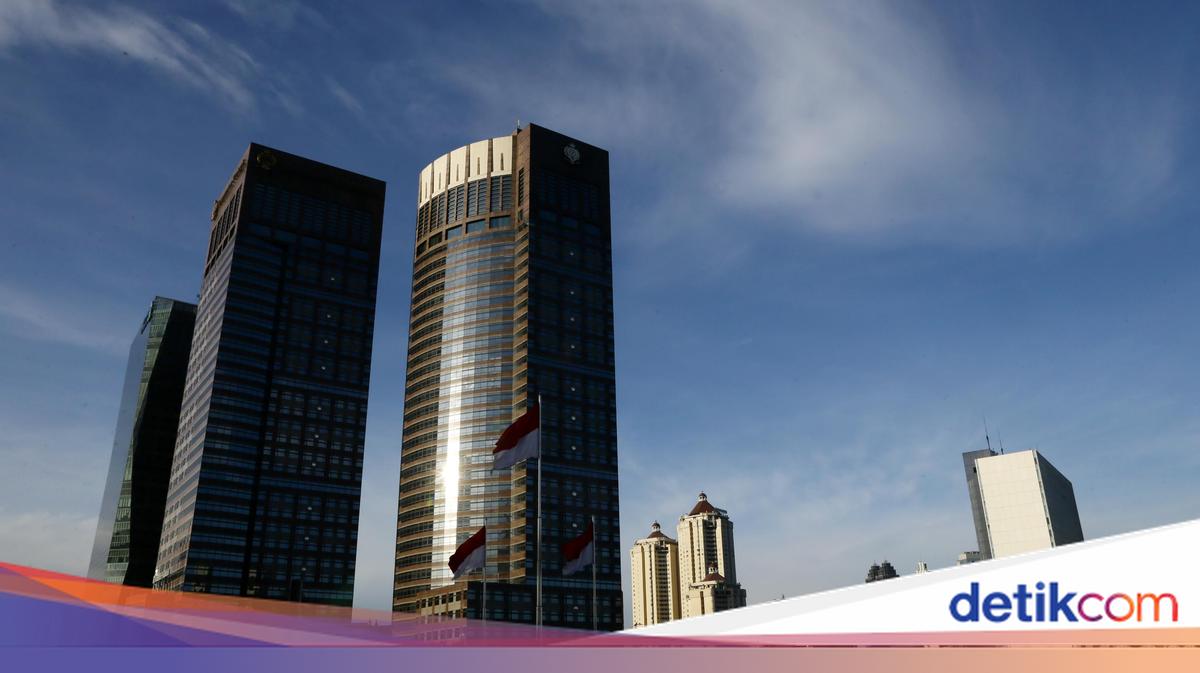
If you have ever noticed, the Student City does not appear to have skyscrapers reaching hundreds of metres into the sky. In other major cities, such as Jakarta, tall buildings are much more common.
According to Indonesia Baik, Indonesia’s tallest building is Autograph Tower, in the Thamrin Nine complex in Central Jakarta. It rises 382.9 metres. Luminary Tower, on Jalan MH Thamrin in Jakarta, is also listed at 301.2 metres.
So why does Yogyakarta have no tall buildings? Worldometer ranked Jogja as Indonesia’s sixth most densely populated city last year. Surely tall structures could provide more space?
There are several reasons for the absence of tall buildings in Jogja. One is the city’s building-height regulations, which vary from zone to zone. Details are set out in Yogyakarta Mayor Regulation No. 118 of 2021 on the Yogyakarta City Detailed Spatial Plan for 2021–2041.
For example, buildings in Kotabaru may be no more than 20 metres high, measured from ground level to the top of the roof.
In Kotagede, buildings must not exceed the height of the Kotagede Mosque. In the Kraton area, buildings must be lower than Siti Hinggil.
In the area around Puro Pakualaman, the height limit is based on the height of Sewatama Hall, with a maximum of 13 metres.
Some areas, such as the buffer zone around the Kotabaru Cultural Heritage Area, allow buildings up to 32 metres high. These limits can be exceeded, however, if recommendations are obtained from the mayor and the commander of Adisutjipto Air Base.
“Any increase and/or exceedance of Building Height, floor area and/or Floor Area Coefficient as referred to in paragraph (1) must obtain recommendations from the Mayor of Yogyakarta and the Commander of Adisutjipto Air Base,” states paragraph (5) of Article 48 of the regulation.
One reason for regulating building heights is to protect Yogyakarta’s Philosophical Axis.
According to the official website of the Sonobudoyo Museum, the Philosophical Axis is a spatial-planning concept linking Mount Merapi, the Yogyakarta Palace and the South Sea. In the city’s layout, the axis is represented by a line connecting Tugu Pal Putih, the Yogyakarta Palace and Panggung Krapyak.
The Philosophical Axis was designated a UNESCO World Heritage Site on 18 September 2023. It must be preserved in various ways, including through building-height regulations.
Specific height restrictions intended to manage the Philosophical Axis are set out in Yogyakarta Mayor Regulation No. 25 of 2025. The regulation details limits inside the Kraton walls, in the core zone and in buffer zones.
Under paragraph (2) of Article 8, the limits are as follows:
Inside the Kraton walls and the jagang (moat): a maximum of 12 metres.
Core zone: a maximum of 18 metres.
Buffer zone: a maximum of 24 metres.
Development zone: a maximum of 28 metres.
Development zone bordering a buffer zone: determined by ADWB/HIA.
These restrictions are intended to allow development in Yogyakarta while preserving its cultural heritage, ensuring that the visual character and universal value of the Philosophical Axis endure as the city grows.
Cultural preservation is not the only consideration. Yogyakarta’s geographical conditions and disaster risks also influence the absence of tall buildings. The DIY Regional Secretariat Legal Bureau’s JDIH account said on Instagram, @birohukumdiy:
“Building heights are regulated to ensure that historical heritage remains visible and respected, to take geographical conditions and disaster risks into account, to keep Jogja’s skyline open and liveable, and to align with the applicable spatial-planning rules,” it said, as quoted on Wednesday (28 October 2026).