
Why does your head itch when you eat spicy food? Here are the causes
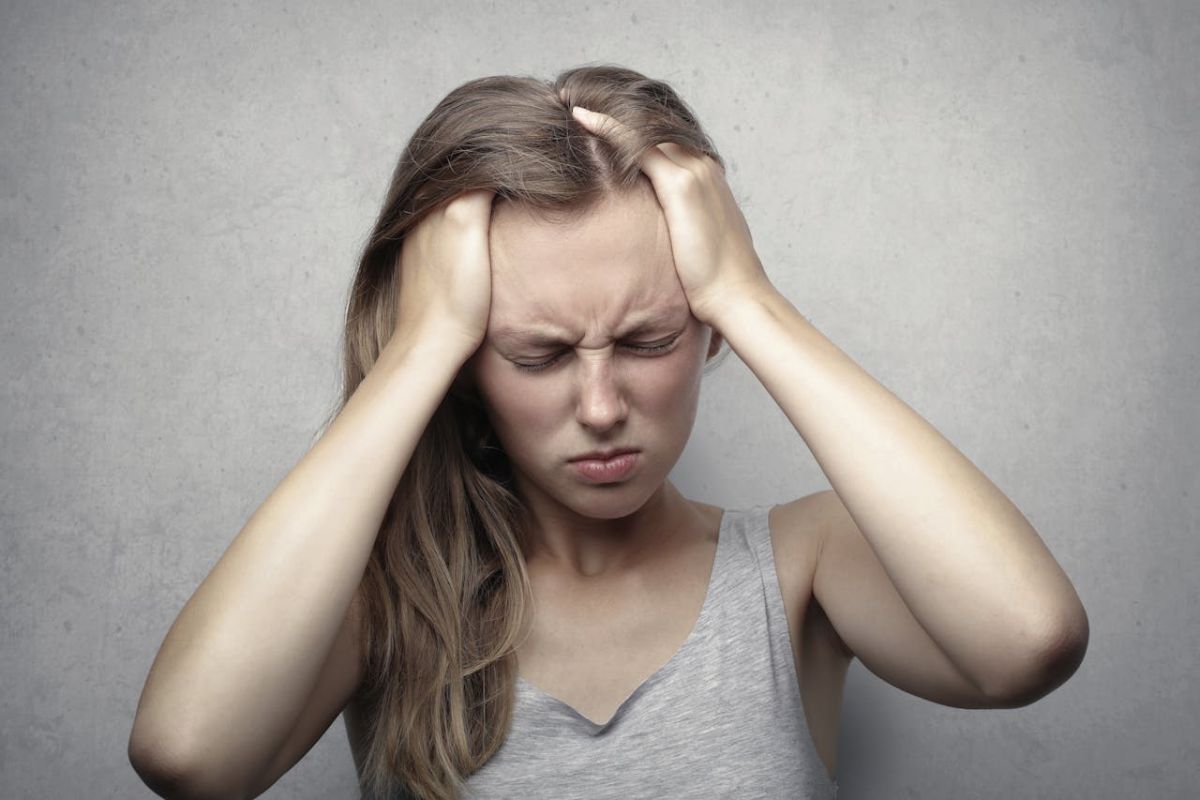
Jakarta (ANTARA) - Eating spicy food can sometimes trigger various reactions in the body. As well as making the mouth feel as though it is burning, causing sweating and a runny nose, it can leave some people with an itchy or hot sensation on the head and scalp.
This can happen after eating sambal, chillies or food with a high level of heat. Although it is often considered an ordinary reaction, an itchy head while eating spicy food may be linked to nerve responses, increased sweating or an allergic reaction to particular ingredients.
So why can your head feel itchy when you eat spicy food? Is this normal, or could it be a sign of a health problem?
- Capsaicin in chillies stimulates the nerves
One cause of the hot sensation after eating spicy food is capsaicin. This is the active compound in chillies that creates a burning sensation even though the food itself is not actually hot in temperature.
Capsaicin activates the TRPV1 (Transient Receptor Potential Vanilloid 1) receptors, channels in sensory nerves that help detect heat and certain other stimuli.
When these receptors are activated, the body receives a signal resembling the sensation of being exposed to heat. This response can produce burning and warmth, and in some circumstances may be associated with itching.
As a result, some people may feel discomfort in various parts of the body after eating spicy food.
- Spicy food increases sweat production
Spicy food can also stimulate sweat production as part of the body’s response to the sensation of heat.
Sweating while eating is known as gustatory sweating. It can affect the face, forehead, temples, neck and scalp.
When sweat appears on the scalp, some people may feel dampness, warmth or itching. This can make the head uncomfortable during or after a spicy meal.
This is one of the bodily responses that can occur after eating chillies or food containing capsaicin.
- Body temperature rises
Although capsaicin does not actually raise the temperature of food or cause a fever, it can affect the body’s temperature-regulation mechanisms.
When heat receptors are stimulated, the body may respond by widening blood vessels in the skin and increasing sweat production to help release heat.
This can make the face and scalp feel warmer. In people who are sensitive to changes in temperature or to sweat, the sensation may be accompanied by itching.
Therefore, heat and itching occurring together while eating spicy food do not necessarily indicate a skin condition.
- An allergic reaction to an ingredient
An itchy head after eating spicy food should be monitored if it comes with other symptoms. Not every reaction after eating spicy food is caused by capsaicin.
A person may be allergic to another ingredient in the food, such as prawns, nuts, eggs or a particular seasoning used in sambal or other dishes.
A food allergy occurs when the immune system reacts to a particular protein it considers harmful. Symptoms can include itchy skin, a red rash, hives, swelling of the lips or face, and breathing difficulties.
Unlike the body’s response to chilli heat, an allergic reaction can affect several parts of the body at once. If itching recurs every time a particular ingredient is eaten, the person should seek further assessment.
- Cholinergic urticaria triggered by sweating
Another possible cause is cholinergic urticaria, a type of hives that can occur when body temperature rises and sweating is triggered.
Its triggers include not only exercise and exposure to heat, but also eating spicy food.
Symptoms are usually small, reddish raised bumps accompanied by itching or a stinging sensation on the skin. The reaction can appear within minutes of the body’s temperature rising.
If an itchy head after eating spicy food is accompanied by bumps or a rash, it could be related to cholinergic urticaria. A medical examination is needed to confirm the cause.
If itching occurs after eating spicy food without any dangerous symptoms, there are several simple steps that may help ease the discomfort.
- Reduce the level of heat
Limit the amount of chilli and sambal so the body is not exposed to excessive capsaicin stimulation.
- Drink enough water
Maintain adequate fluid intake to replace fluids lost through sweating.
- Avoid suspected trigger foods
If itching repeatedly occurs after eating a particular food, check its ingredients and avoid anything suspected of being a trigger until the cause is known.
- Keep the scalp clean
If the scalp becomes sweaty, gently clean and dry it to prevent further discomfort.
- Watch for accompanying symptoms
Note whether the itching is accompanied by bumps, redness, swelling or other symptoms after eating.
These steps may help reduce discomfort, but the appropriate response depends on the underlying cause.
When should you see a doctor?
Occasional itching while eating spicy food is generally not a cause for immediate concern, particularly if it is accompanied only by sweating and a hot sensation that soon passes.
However, seek medical advice if symptoms recur frequently, become more severe, or are accompanied by a rash or hives that do not go away.
Seek emergency medical help immediately if itching is accompanied by swelling of the lips, tongue or throat, difficulty breathing, severe dizziness or fainting. These symptoms may indicate anaphylaxis, a severe allergic reaction that requires urgent treatment.
An itchy head while eating spicy food may be linked to capsaicin stimulating sensory nerves, increased sweat production or the skin’s response to changes in body temperature. However, it should also be treated with caution if accompanied by symptoms of an allergy or hives.
If the discomfort occurs only occasionally and quickly disappears, there is usually no need for undue concern. But if the itching keeps recurring or is accompanied by other symptoms, consult a doctor to establish the precise cause.
Source: jawawa.id (https://jawawa.id/newsitem/why-does-your-head-itch-when-you-eat-spicy-food-here-are-the-causes-1793955168)
Originally published by Antara (Indonesian) (https://www.antaranews.com/berita/5836443/kenapa-kepala-gatal-saat-makan-pedas-ini-penyebabnya), translated from Indonesian