
Why Does the 2025 Tax Return Show Underpayment After Merging Wife's NPWP? Explanation and How to Address It
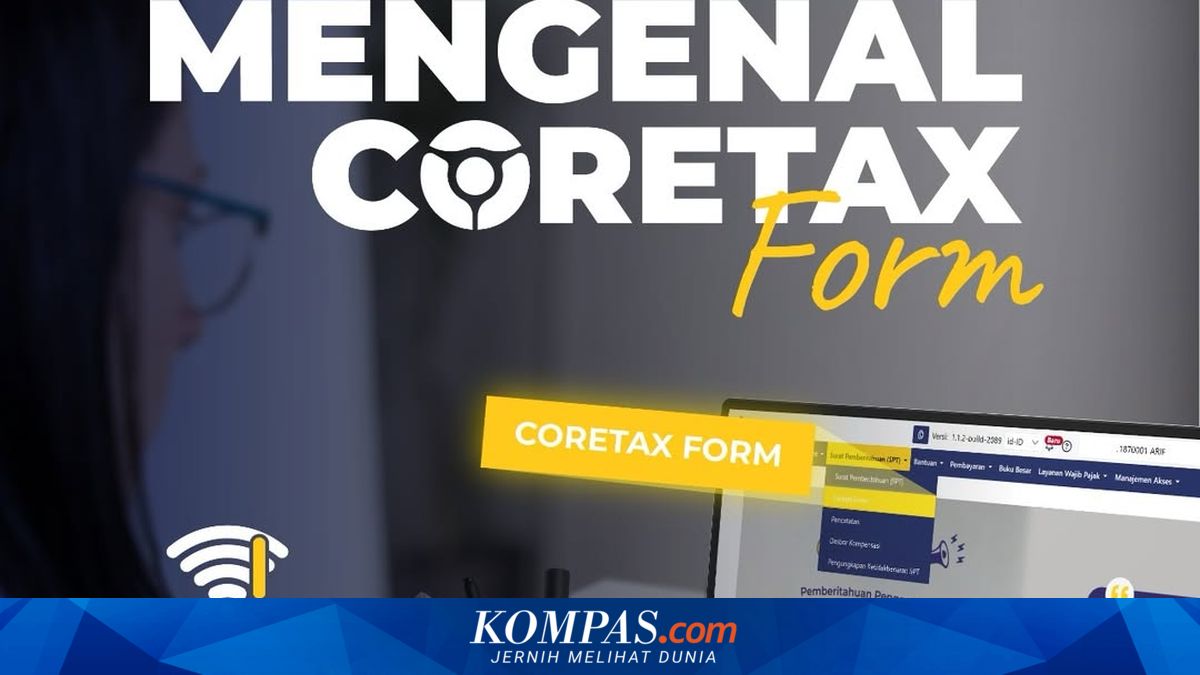
JAKARTA - Taxpayers preparing to file their Annual Tax Return (SPT) for the 2025 Tax Year must now adapt to the new system, Coretax DJP. This digital platform, accessible via the official Directorate General of Taxes website, introduces several changes, including in the management of Taxpayer Identification Numbers (NPWP) within families. One widely discussed issue is the merging of a working wife’s NPWP with a single employer into her husband’s NPWP. “This policy implements Article 8 of the Income Tax Law (UU PPh), which views the family as a single economic unit,” as quoted on the DJP website on Thursday (2/4/2026). “After the NPWP is merged with the husband’s, the SPT shows underpayment. How is that possible?” is a question frequently raised among taxpayers. In principle, Indonesian tax regulations combine family income into a single unit. This means all income or losses of family members are calculated together and reported by the head of the family, in this case the husband. However, there is an important exception. A wife’s income from working for a single employer does not need to be combined with her husband’s income. Such income is considered to have been subject to final tax, provided it has been withheld under Article 21 Income Tax by the employer and is not related to the husband’s business or freelance work. The problem arises because the Coretax DJP system automatically (prefills) pulls the wife’s income data into the husband’s SPT, especially if the wife’s status is recorded as a “dependent” in the family unit. As a result, the wife’s income is recorded as the husband’s regular income. This condition causes a discrepancy between the tax already withheld by the other party and the tax calculation in the husband’s SPT. Consequently, the system displays an underpayment status. To address this, taxpayers need to make adjustments on the SPT form. On the main form, the husband must answer “Yes” to the question regarding taxes already withheld by other parties and income subject to final tax. The method involves recording and deleting the wife’s income data from attachment L-1, then re-entering it manually into attachment L-2. In this section, select the income type “wife’s income from a single employer” and fill it in according to the withholding certificate held. With these steps, the wife’s income is no longer calculated as part of the husband’s income. As a result, the underpayment status on the SPT can be avoided. However, it should be remembered that this mechanism only applies to wives working for a single employer and meeting the applicable provisions. By understanding this scheme, taxpayers are expected to be more meticulous in reporting their SPT via Coretax DJP.