
Why Does Sleep Talking Feel So Real? The Scientific Explanation
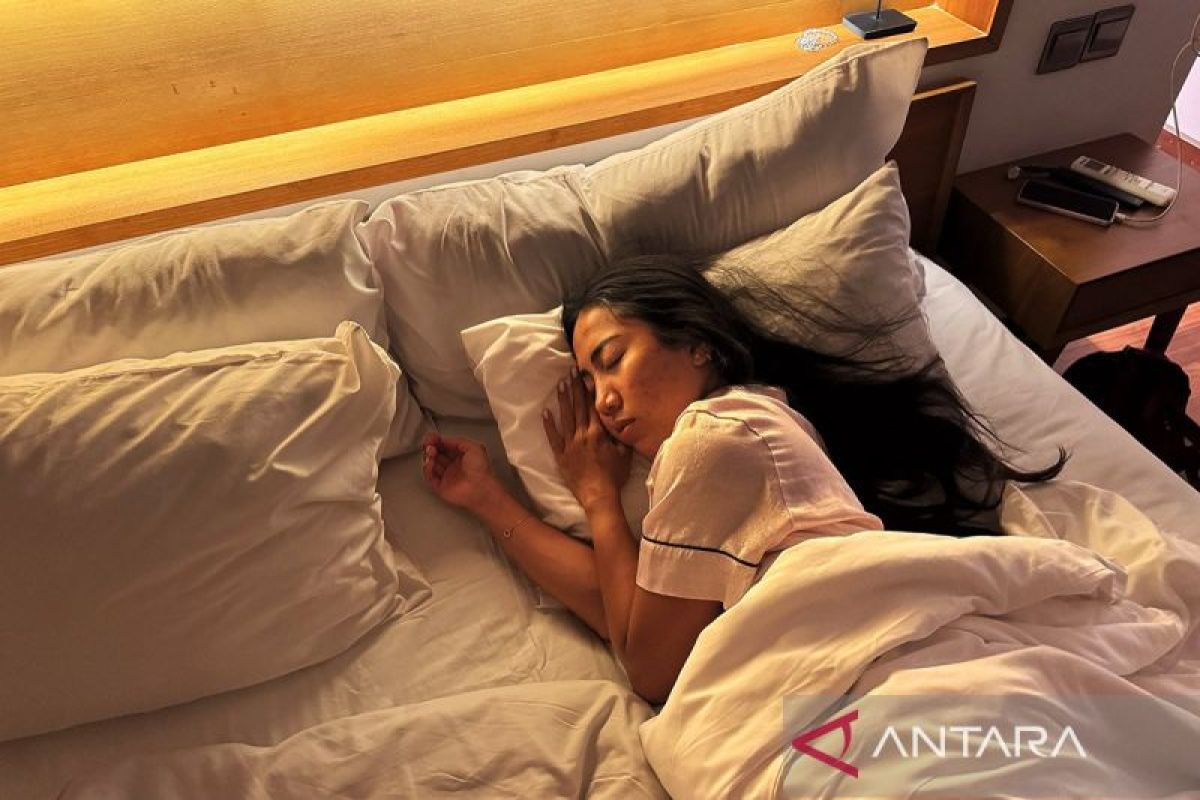
Jakarta (ANTARA) – Sleep talking is a relatively common phenomenon. People may speak, laugh, shout or utter sentences unrelated to their surroundings while asleep. Some appear to be having conversations or experiencing events that feel entirely real.
Some people seem to be speaking to someone, answering questions or reacting to an event in their sleep. Yet when they wake up, they may not remember what they said.
The phenomenon is linked to brain activity during sleep. Although the body is resting, the brain continues to perform various tasks, including processing memories, emotions and experiences.
Why, then, can sleep talking feel like a real event? Is it connected to dreaming, or could it indicate a sleep disorder?
What is sleep talking?
Sleep talking, or somniloquy, is when a person speaks while asleep without being aware of what they are saying. Medically, it is classified as a parasomnia: an unusual behaviour or experience that occurs during sleep.
Sleep talking can consist of simple words, long conversations, murmuring or shouting. Some people speak with the intonation and expression of someone in a real-life conversation.
It can occur during different stages of sleep, both non-rapid eye movement (NREM) and rapid eye movement (REM) sleep. As a result, what someone says while sleep talking is not necessarily directly related to a dream they are having.
The condition can affect children and adults. Occasional sleep talking is generally not a sign of a serious health problem.
Why does sleep talking feel real?
One reason sleep talking can feel like a real experience is that the brain does not stop working completely during sleep. It continues to process information, create mental experiences, and work through emotions and memories, even when a person is not fully conscious.
Several factors may help explain the phenomenon.
1. The brain remains active during sleep
As a person sleeps, the brain moves through several stages, each with different patterns of activity. One is REM sleep, a stage often associated with vivid, lifelike dreams.
During this stage, brain activity increases and resembles some of the patterns seen while a person is awake. This can produce dream experiences involving conversations, places, people or particular events.
Because these experiences can feel so vivid, a person may speak or respond while asleep.
2. Dreams involve emotions and memories
Dreams are not always disconnected from everyday experiences. The brain can combine memories, feelings and information a person has encountered to form experiences during sleep.
For example, someone thinking about work, under pressure or going through an emotionally significant experience may have a related dream.
When a dream feels intense, the person may say words or sentences connected with it.
However, what someone says while sleep talking cannot be taken as reliable proof of what they are thinking, feeling or keeping secret.
Sleep talking can also happen as the brain shifts between sleeping and waking. In these moments, a person is not fully conscious, but some brain activity may already be producing responses such as speaking or moving.
This may explain why someone sometimes seems to answer questions, say a person’s name or utter a particular sentence while their eyes remain closed.
Such a response does not necessarily mean that the person truly understands the conversation taking place.
4. Brain and muscle activity do not always coincide
During sleep, the brain regulates the body through mechanisms that vary between stages. In REM sleep, for example, most of the body’s muscles are relaxed, making it difficult for a person to act out the events in a dream.
However, this regulation does not always work perfectly. In some circumstances, a person may speak, shout or move as if experiencing an event in a dream.
This should be distinguished from ordinary sleep talking, as behaviour involving excessive physical movement may be associated with a particular sleep disorder.
How common is sleep talking?
Sleep talking is not rare. According to information compiled by the Sleep Foundation, research suggests that around 66 per cent of people have sleep talked at least once in their lives.
About 17 per cent are reported to have done so in the previous three months. These figures indicate that speaking during sleep is fairly common.
The frequency and form of sleep talking vary from person to person. Some people only murmur briefly, while others may say long sentences as if having a conversation.
A 2017 study published in the journal Sleep analysed 883 recordings of speech from 232 people during sleep. Around 59 per cent of the recorded utterances were non-verbal sounds, such as murmuring, shouting, whispering and laughing.
The findings show that speech during sleep does not always consist of clear or understandable sentences.
Sleep talking can be influenced by factors that disrupt the quality and pattern of sleep. These may include:
1. Lack of sleep
Insufficient rest can disrupt sleep patterns and increase the likelihood of unusual behaviour during sleep.
2. Stress and anxiety
Emotional pressure can affect sleep quality, making a person more susceptible to disturbances or particular behaviours while resting.
3. An irregular sleep schedule
Going to sleep and waking up at varying times can disrupt the body’s natural sleep rhythm.
4. Sleep-related breathing disorders
Conditions such as sleep apnoea can cause repeated disturbances or awakenings during sleep.
5. Alcohol consumption
Alcohol can disrupt sleep structure and quality, potentially triggering unusual behaviour during sleep.
These factors do not cause sleep talking in everyone, and the condition can also occur without a clearly known cause.
Occasional sleep talking is generally harmless and does not require specific treatment. There is usually no need to worry immediately if a family member speaks in their sleep.
However, it should be taken seriously if it happens very frequently, disrupts rest or is accompanied by other unusual behaviour.
Signs to watch for include:
Sleep talking accompanied by punching, kicking or thrashing.
Excessive shouting or signs of fear during sleep.
Frequent sleepwalking or carrying out activities without awareness.
Excessive daytime sleepiness despite getting enough sleep.
Recurrent sleep disturbances that interfere with daily activities.
Anyone experiencing these symptoms should consider consulting a doctor, particularly one specialising in sleep disorders. An examination can help determine whether sleep talking is linked to another parasomnia, a sleep-related breathing disorder or another health condition.
In some cases, a doctor may recommend a sleep study, or polysomnography, to monitor brain activity, breathing, heart rate and body movements during sleep.
Although sleep talking cannot always be prevented, some habits may improve sleep quality and reduce contributing factors:
1. Keep a regular sleep schedule
Try to go to bed and wake up at the same time each day.
2. Get enough rest
Adults generally need around seven to nine hours of sleep each night.
3. Manage stress
Try relaxing activities before bed, such as reading, meditation or breathing exercises.
4. Limit caffeine
Avoid coffee and other caffeinated drinks close to bedtime.
5. Create a comfortable sleeping environment
Keep the room dim and quiet, and maintain a comfortable temperature.
6. Avoid alcohol before bed
Alcohol can disrupt sleep quality and patterns.
Sleep talking that feels like a real event is linked to brain activity during sleep. The brain continues to process memories, emotions and experiences even when a person is not fully conscious.
The phenomenon can occur during both REM and NREM sleep, so not everything said during sleep comes from a dream. Nor does sleep talking necessarily reveal a person’s experiences, thoughts or secrets.
As long as it is not accompanied by disruptive symptoms, sleep talking is generally harmless. However, if it occurs very frequently or is accompanied by uncontrolled physical movements, medical assessment may be needed to identify any other sleep disorder.
Source: jawawa.id (https://jawawa.id/newsitem/why-does-sleep-talking-feel-so-real-the-scientific-explanation-1795607634)
Originally published by Antara (Indonesian) (https://www.antaranews.com/berita/5878003/mengapa-mengigau-terasa-seperti-nyata-ini-penjelasan-ilmiahnya), translated from Indonesian