
Why Do Westerners Prefer Sitting Toilets Over Squat Toilets?
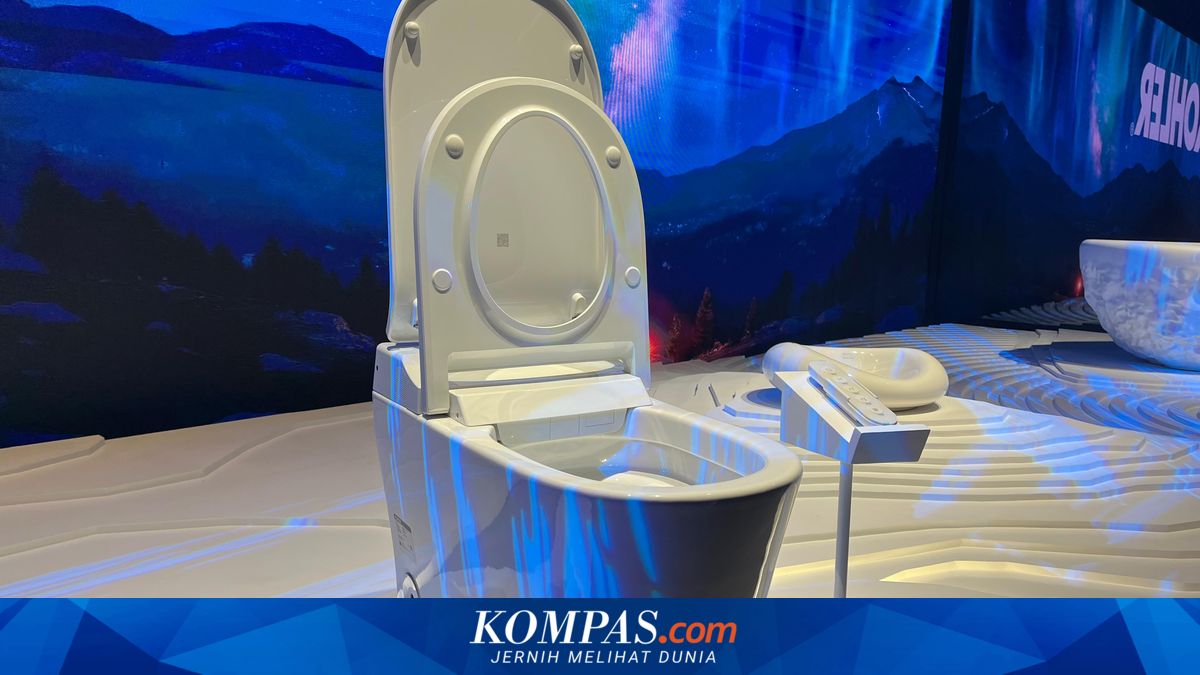
In many Asian and Middle Eastern countries, squat toilets and water-based cleansing are commonplace. In Western nations such as the UK and the US, sitting toilets have long been the standard. So how did sitting toilets come to dominate Western culture? According to BBC, the use of sitting toilets in the West evolved alongside changing lifestyles in modern European societies. Sitting toilets are seen as more practical, comfortable, and suited to modern urban home designs. As sanitation and plumbing systems developed in the 19th and early 20th centuries, porcelain sitting toilets began to be mass-produced. This model subsequently became a symbol of progress and modernity in Western countries. Even in the 1920s, the spread of Anglo-American bathroom standards was termed ‘sanitary imperialism’. Unlike many Asian countries that still use squat toilets, Western societies have grown accustomed to sitting toilets, which are considered more comfortable for indoor and modern home use. Additionally, the culture of reading or relaxing in the toilet has developed in the US. There is even a niche market for light reading material designed for use while seated on the toilet, ranging from humour collections to trivia snippets. This habit contrasts sharply with Asian cultures, which typically view toilets as purely functional spaces. In Chinese culture, parents often discourage children from spending too long on the toilet, deeming it unhealthy.