
Why Do Some People Bruise Easily Even Without a Hard Knock?
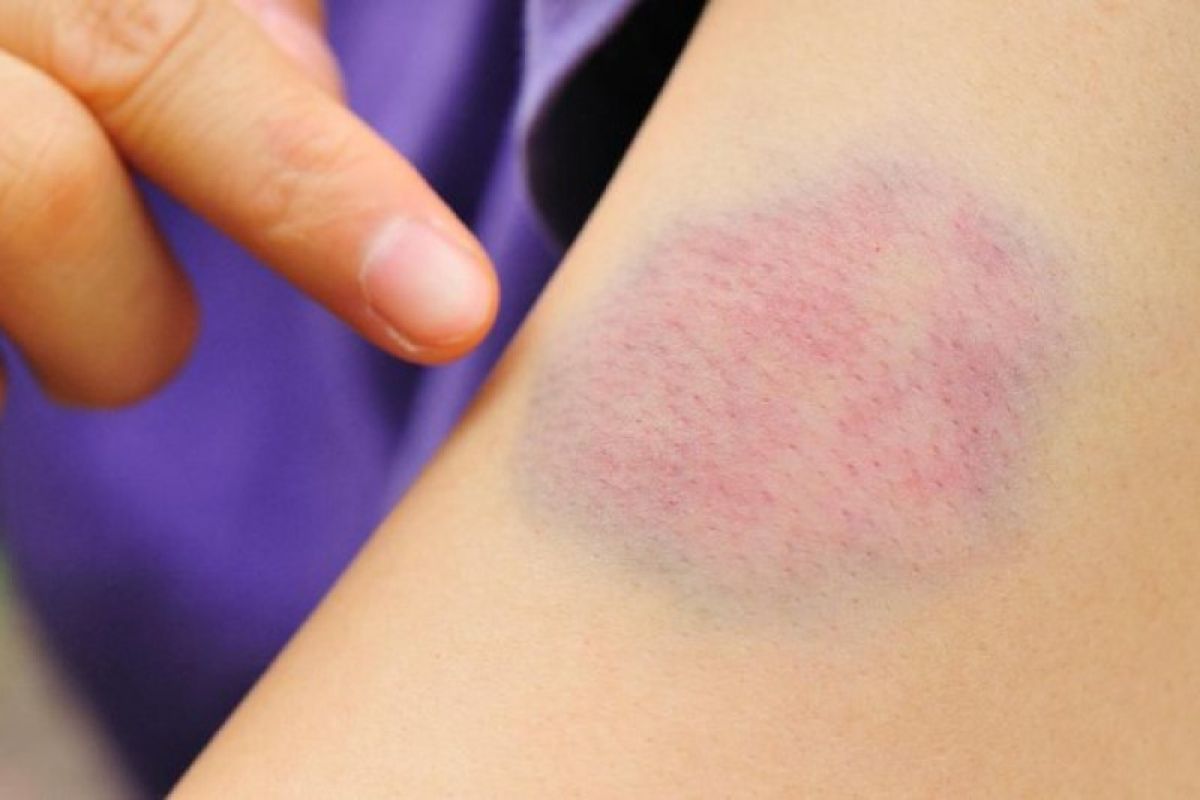
Jakarta (ANTARA) – Bruises usually appear after the body has been struck by a hard object or sustained an injury. However, some people bruise after only a light knock, or even without remembering any impact at all.
This can happen when small blood vessels beneath the skin rupture and blood leaks into the surrounding tissue. Bruising can also be affected by age, certain medicines, nutritional deficiencies and problems with the blood-clotting process.
Occasional bruising does not necessarily indicate a serious health problem. However, repeated bruising without a clear cause, an increasing number of bruises or bruising accompanied by other bleeding should receive medical attention.
One reason someone may bruise more easily is the change in skin that comes with age. The skin gradually loses some of its thickness and the layer of fat that protects blood vessels from impact.
As a result, small blood vessels beneath the skin become more vulnerable to damage. A light knock that would not previously have left a mark can cause a red, blue or purple bruise.
According to the Mayo Clinic, this is more common in older people, particularly on the arms and legs. Most bruises fade on their own as the body reabsorbs the blood that has leaked into the tissue.
2. Side effects of certain medicines
Certain medicines can also make people more prone to bruising. Some affect blood clotting, meaning it takes longer for bleeding from small blood vessels to stop.
Medicines that can increase the risk of bruising include aspirin, ibuprofen and naproxen, as well as anticoagulants such as warfarin and apixaban. Antiplatelet medicines, including clopidogrel, can also increase the tendency to bleed.
Long-term use of corticosteroids can make the skin thinner and therefore more susceptible to bruising. Some supplements, including ginkgo biloba, may also increase the risk of bleeding or bruising.
If bruising becomes more frequent after starting a new medicine, the person should consult a doctor. Prescribed medicines should not be stopped without medical advice, as doing so may carry other risks depending on the medicine and the patient’s condition.
3. Deficiencies in certain vitamins
Nutritional intake can also affect blood vessels and the body’s healing process. A deficiency in certain vitamins, particularly vitamin C, can make someone more prone to bruising.
Vitamin C helps produce collagen, a protein that supports the strength of the skin and blood-vessel tissue. Severe vitamin C deficiency can cause scurvy, with symptoms including easy bruising, bleeding gums and wounds that are slow to heal.
Harvard Health Publishing also says that deficiencies in vitamin C and, in some circumstances, zinc or B vitamins may be associated with easy bruising. However, nutritional deficiency is not the only possible cause, so repeated symptoms still warrant assessment.
To ensure adequate nutrition, people can eat a varied diet that includes fruit and vegetables. Supplements should be taken according to need and not used excessively without a clear reason.
Frequent bruising without an obvious cause can also be linked to problems with the blood-clotting system. Normally, platelets and clotting proteins work together to stop bleeding when a blood vessel is damaged.
If platelet levels are too low or their function is impaired, the body may have more difficulty stopping bleeding. Blood can then leak more easily into the tissue beneath the skin, causing bruises.
One condition that can cause a low platelet count is thrombocytopenia. Inherited clotting disorders such as haemophilia can also cause excessive bleeding, although symptoms and severity vary from person to person.
When assessing a patient with bruising or unusual bleeding, a doctor may consider a full blood count, a platelet count and blood-clotting tests, depending on the patient’s history and symptoms.
5. Health conditions affecting the blood
In addition to platelet disorders, some health conditions can also be associated with bruising. Liver disorders, certain diseases affecting the blood and some autoimmune conditions can interfere with clotting or increase the tendency to bleed.
Even so, easy bruising does not automatically mean that someone has a serious illness. Assessment should take account of the pattern, size and location of the bruises, other symptoms, medical history and medicines being taken.
According to MedlinePlus, bleeding beneath the skin can be associated with a range of conditions, including a low platelet count, autoimmune disorders, certain infections and the use of medicines that affect blood clotting.
Because the causes vary, medical assessment is needed if bruising continues to recur or appears alongside other unusual symptoms.
When should bruising be checked by a doctor?
Small bruises after a light knock generally improve without special treatment. However, medical assessment is needed if bruises repeatedly appear without a clear cause, are large or very painful, or suddenly become more frequent than usual.
Particular attention is warranted if bruising is accompanied by repeated nosebleeds, gums that bleed easily, menstrual periods that are much heavier than usual, or small red-purple spots on the skin. These symptoms may indicate a bleeding disorder that requires evaluation.
Seek medical help immediately if bleeding does not stop, there is blood in the urine or stool, or bruising follows a head injury and is accompanied by a severe headache, confusion or vomiting.
Easy bruising can be caused by straightforward factors, such as thinning skin or an unnoticed minor knock. However, if it happens repeatedly without a clear reason, it should not be ignored. Paying attention to changes in the body and seeking an assessment when appropriate can help identify the underlying cause.
Source: jawawa.id (https://jawawa.id/newsitem/why-do-some-people-bruise-easily-even-without-a-hard-knock-1794394486)
Originally published by Antara (Indonesian) (https://www.antaranews.com/berita/5846783/mengapa-seseorang-mudah-memar-meski-tidak-terbentur-keras), translated from Indonesian