
Why do people often feel sleepy during Friday prayers?
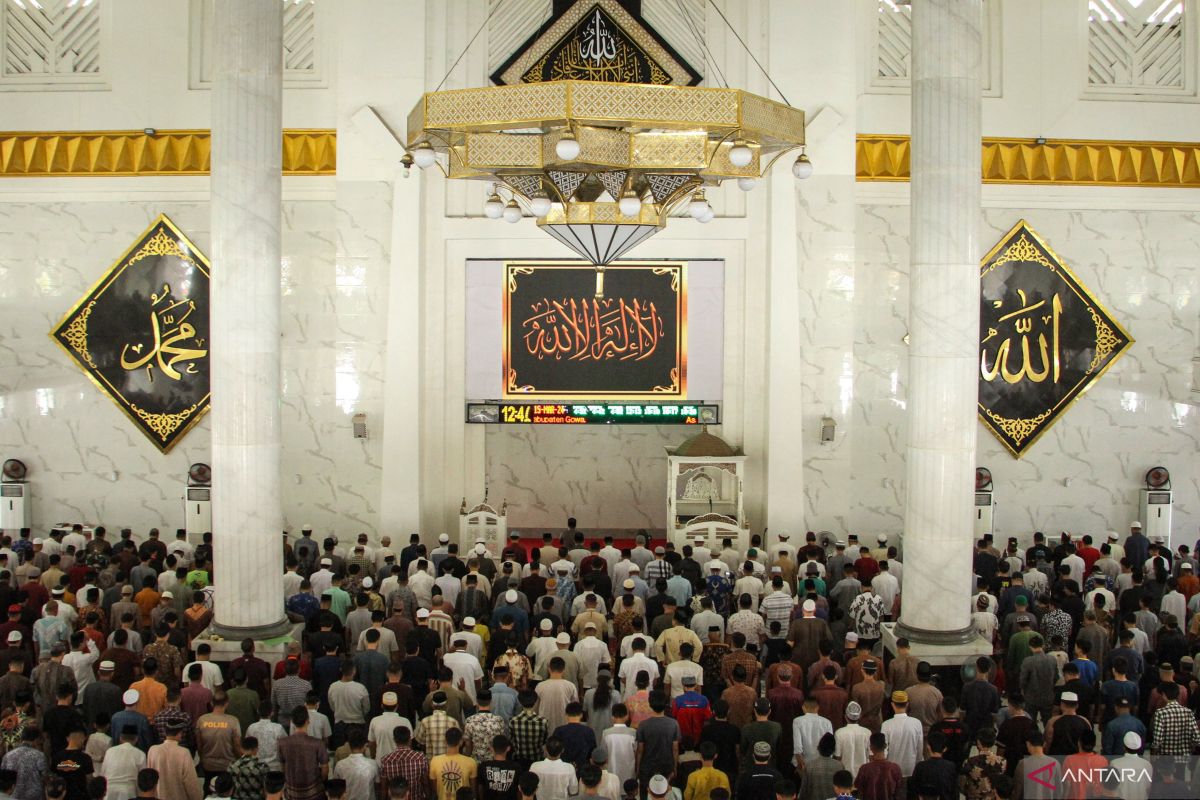
Jakarta (ANTARA) – Have you ever found your eyes growing heavy, yawned repeatedly or nearly fallen asleep while listening to the Friday sermon at a mosque? This may feel familiar to some people who regularly attend Friday prayers, even if they felt fairly refreshed and not particularly tired beforehand.
Sleepiness during Friday prayers can be explained by several factors, including sleep patterns, the body’s biological clock, lunchtime habits and the conditions in which people listen to the sermon.
This does not mean that the Friday sermon is itself the direct cause of sleepiness. Several factors can make someone more likely to feel drowsy while sitting and listening for a period of time.
So why do people often feel sleepy during Friday prayers? Here is an explanation.
- The body’s biological clock reduces alertness
One reason for feeling sleepy during Friday prayers is the circadian rhythm, the internal biological clock that helps regulate the human sleep-wake cycle.
According to the US Centers for Disease Control and Prevention’s (CDC) National Institute for Occupational Safety and Health (NIOSH), people can naturally experience a dip in alertness during the afternoon. During this period, the urge to sleep can increase even though it is not yet time for bed.
This phenomenon is known as the afternoon dip. It can occur even before someone has eaten lunch.
As Friday prayers are generally held around midday, they may coincide with a period when the body begins to feel more tired and sleepy.
However, the degree of sleepiness varies from person to person, depending on sleep patterns, activity and individual health.
- Staying up late
The habit of going to bed too late can also make someone more likely to feel sleepy while listening to the Friday sermon.
When a person does not get enough sleep at night, the drive to sleep builds the longer they remain awake. As a result, their ability to maintain concentration and alertness may decline during the day.
For example, someone who stays up late working, playing games or using their phone for too long may still feel refreshed when they wake up in the morning. But sleepiness can set in several hours later, particularly when they are sitting in a relatively quiet setting.
If this happens repeatedly every Friday, it may be worth reviewing sleep habits during the working week and the night before.
- A full stomach after lunch
Some people are used to eating before going to the mosque. This is not a problem, but sleepiness may feel stronger if mealtime coincides with the body’s natural dip in alertness.
According to the Cleveland Clinic, postprandial somnolence, or sleepiness after eating, can be affected by several factors, including signals from the digestive tract, changes in substances circulating in the blood and brain mechanisms that regulate alertness.
A large meal can also leave some people feeling more sluggish.
So, if you often feel sleepy during Friday prayers after lunch, consider the portion size and type of food you eat. Eating a moderate amount and choosing a balanced meal may help prevent feeling overly full.
Even so, sleepiness after eating is not caused by food alone. The body’s biological clock and sleep quality also play important roles.
- Sitting still for a long time
During the Friday sermon, worshippers generally sit and focus their attention on the preacher. The lack of physical activity means the body receives fewer movement-related stimuli to help it stay alert.
Unlike walking, working or doing an activity that requires movement, sitting still for a relatively long time can make tiredness more noticeable, especially if someone has not had enough sleep.
In addition, when a person is not moving much and is in a quiet setting, signs of sleepiness that were previously less noticeable may become clearer.
However, sitting still is not the only cause of drowsiness. Factors such as insufficient sleep and the midday dip in alertness should also be taken into account.
- A calm and comfortable mosque environment
The relative quiet of a mosque, a comfortable sitting position and little physical activity can also make someone more aware of their sleepiness.
When a person is not doing an activity that requires much movement, sustaining attention for a long time can be more challenging, particularly if they are already tired.
This does not mean that a calm environment directly causes someone to fall asleep. Sleepiness is more likely when these conditions coincide with an increased drive to sleep due to insufficient rest or the circadian rhythm.
Therefore, someone who has slept enough and is feeling well may not experience the same sleepiness, even in a similar setting.