
Why Do People Keep Buying Luxury and Expensive Goods When the Economy Is Struggling?
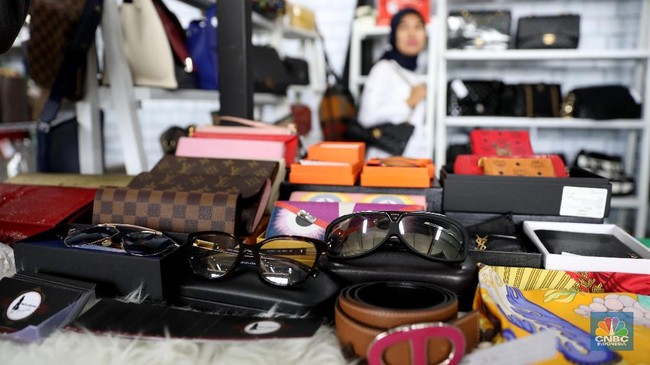
Jakarta, CNBC Indonesia — Many people complain that the rising cost of living is not matched by their incomes. Yet queues for expensive goods remain a common sight.
Smartphone launches featuring devices priced at tens of millions of rupiah still attract crowds. Concert tickets for prominent musicians can sell out within minutes. Branded beauty products, designer bags and a range of goods linked to hobbies and lifestyles also continue to draw plenty of buyers.
At first glance, this seems contradictory. If the economy is struggling, why are people still willing to spend money on items that are not essential?
In economics and psychology, this phenomenon is known as the “Lipstick Effect”.
According to Time, the term refers to people’s tendency to continue buying expensive goods or products that provide emotional satisfaction when economic conditions deteriorate. The Lipstick Effect is closely associated with the Great Depression, which hit the United States in the 1930s.
At the time, amid a depressed economy, rising unemployment and weakening consumer purchasing power, consumption of some goods followed an unusual pattern. Lipstick was one product that drew attention. Although people had to cut back on spending, lipstick sales remained strong.
As a non-essential item, lipstick might have been expected to be among the products consumers stopped buying, as they prioritised other necessities.
In reality, many people continued to buy it. The cosmetics product proved to be a way to enjoy a touch of luxury without spending as much as they would on other luxury goods.
In other words, consumers do not necessarily stop buying luxury goods when the economy worsens; they simply change their spending priorities. Products that create a sense of luxury and are visible to others may remain in the budget, while spending on other items is cut.
Buying branded lipstick, for example, can allow someone to enjoy a sense of luxury and project a particular image without purchasing much more expensive clothing, jewellery or accessories.
The phenomenon is also consistent with the 2012 study “Boosting Beauty in an Economic Decline: Mating, Spending, and the Lipstick Effect”, which examined consumption among unemployed people over the previous 20 years.
The findings showed that, as unemployment rose, people allocated a smaller share of their budgets to electronics and recreational and hobby products. By contrast, the share spent on personal-care products and cosmetics increased.
“These findings show that when economic pressure intensifies, people do not always eliminate spending on pleasure. They tend to seek cheaper alternatives that still provide satisfaction,” the research team said.
Buying lipstick, for instance, is not simply about purchasing a cosmetic product; it can also be a way to create a feeling of happiness and serve as a symbol of resilience and optimism.
The Lipstick Effect therefore helps explain why complaints about economic hardship do not always correspond to a disappearance of spending on luxury and expensive goods. Over time, such purchases have come to include products beyond lipstick.
Source: jawawa.id (https://jawawa.id/newsitem/why-do-people-keep-buying-luxury-and-expensive-goods-when-the-economy-is-struggling-1794052218)
Originally published by CNBC Indonesia (https://www.cnbcindonesia.com/lifestyle/20261107132453-33-783179/saat-ekonomi-susah-kenapa-orang-tetap-suka-beli-barang-mewah-mahal), translated from Indonesian