
Why Do People Easily Believe in Pocong Hoaxes? A Psychologist's Perspective
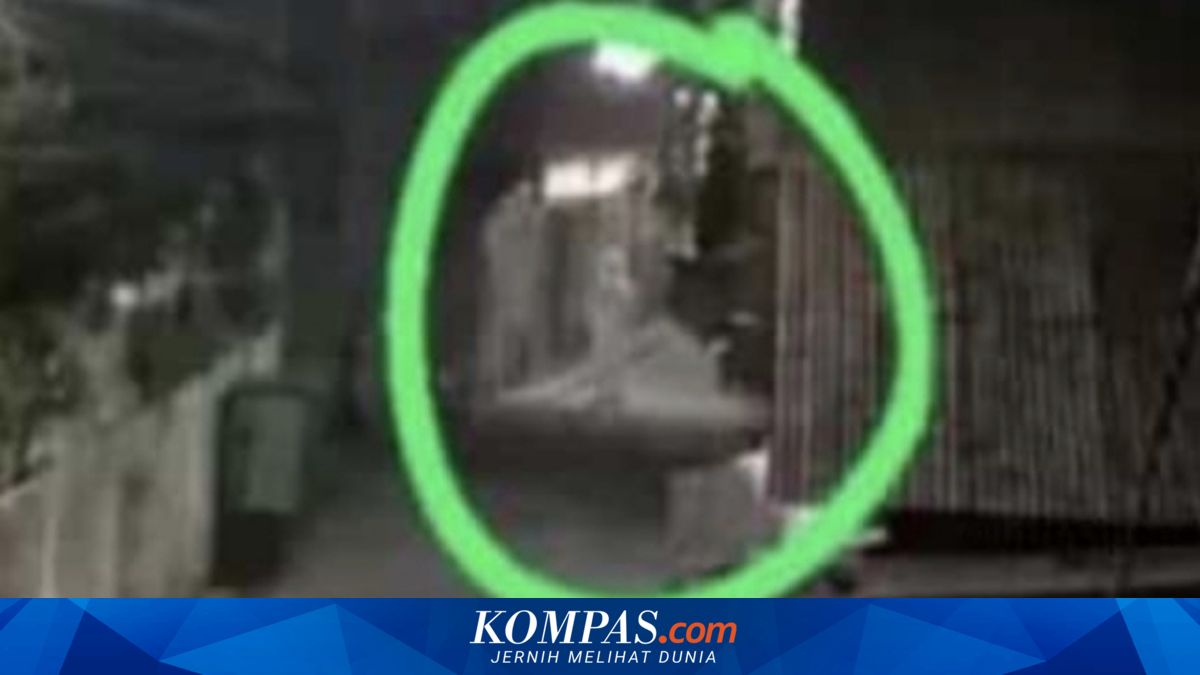
The phenomenon of pocong hoaxes repeatedly going viral on social media is not merely due to hoax creators, but also relates to societal behaviour in receiving and disseminating information. Rose Mini Agoes Salim, a psychologist and Professor at the University of Indonesia’s Faculty of Psychology, said humans inherently fear and are curious about horror-related matters. “When people read frightening news or watch videos, they typically feel fear, discomfort, tension, and so on,” she told Kompas.com via WhatsApp on Friday, 22 May 2026. However, she noted that horror content is often sought out because it piques curiosity. “Oddly, people actively seek it out, which is why horror films are frequently watched — due to that curiosity,” she added. Critical thinking, she explained, is the ability to analyse whether information should be trusted, rejected, or temporarily withheld before sharing. “People should think critically about whether a piece of news is true or not. Don’t share false information repeatedly, causing it to go viral,” she said. She stated that society should learn from past hoaxes proven false, yet sensational information continues to be shared repeatedly. “Humans have an extraordinary capacity to learn, yet even when they know information is false, they continue to repeat and view it, leading to viral spread,” she said. Rose urged the public to scrutinise information before responding or sharing. “When receiving information from any social media, one must have the ability to think critically — to assess whether to accept, reject, or refrain from responding and sharing,” she said. “Everyone wants their content to go viral, and it often comes down to money,” she added.