
Why Do Calves Often Hurt? Causes and How to Treat Them
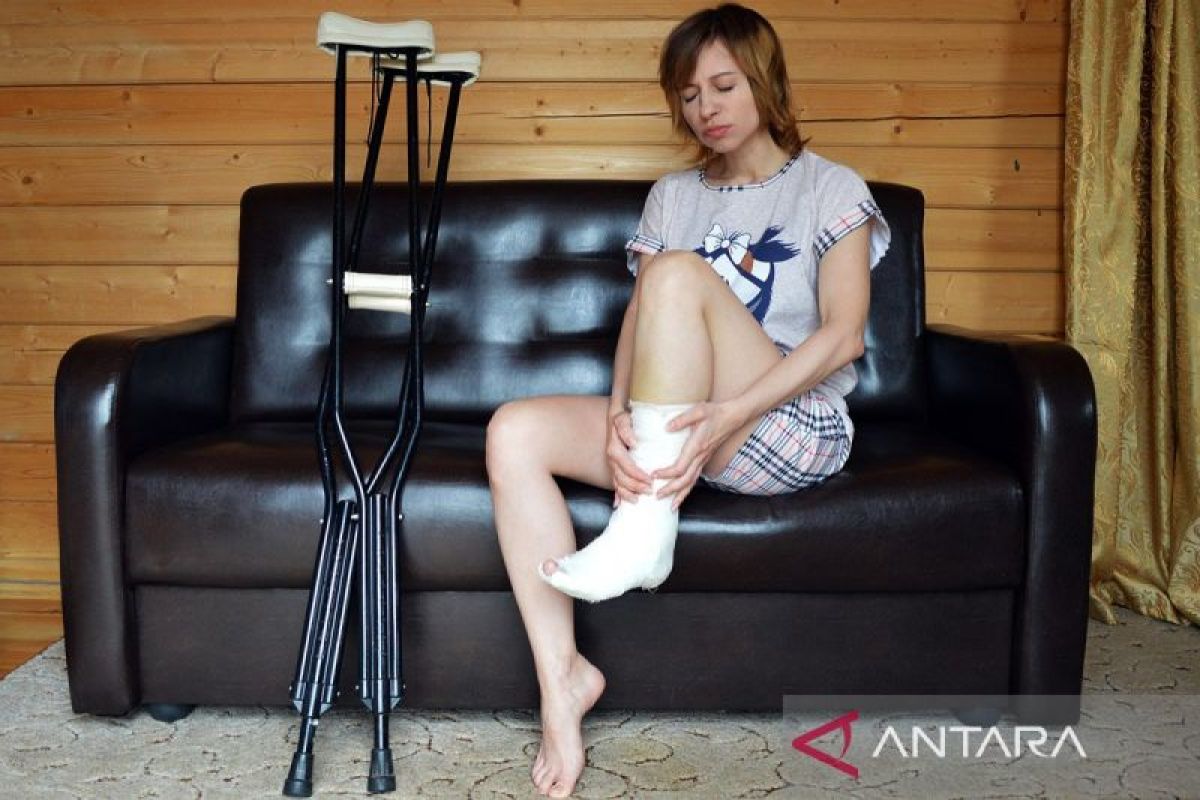
Jakarta (ANTARA) — Calf pain can occur after walking long distances, exercising, standing for too long or doing more strenuous physical activity than usual. The discomfort may feel like an ache, cramp, stiffness or sharp pain when using the leg to walk.
Although it is often associated with muscle fatigue, calf pain is not always caused by physical activity. Recurrent pain or pain with no clear cause may also be related to nerve or blood vessel disorders.
The calf is at the back of the lower leg, between the knee and ankle. It is formed mainly by two muscles, the gastrocnemius and soleus, which help with walking, running, jumping and moving the ankle.
According to the Cleveland Clinic, calf pain can be caused by cramps, muscle injuries or blood vessel disorders. Its severity varies, from mild symptoms that improve with self-care to conditions requiring medical assessment.
So why do calves often hurt, and how can the pain be treated?
Causes of frequent calf pain
Several conditions can cause calf pain. Recognising accompanying symptoms can help determine when simple self-care is sufficient and when medical assessment is needed.
1. Muscle cramps
Cramps are a common cause of calf pain. They occur when a muscle contracts suddenly and has difficulty relaxing, causing pain or stiffness.
Cramps often occur during sleep or rest, or after physical activity. According to the NHS, leg cramps usually last from a few seconds to about 10 minutes. The muscle may remain sore for up to 24 hours after the cramp has passed.
Possible triggers include excessive physical activity, muscle fatigue, pregnancy, certain medicines and health conditions affecting muscle and nerve function.
2. Muscle strain
Calf pain can also occur when a muscle is overstretched or some of its fibres tear. This is known as a calf strain.
Such injuries often occur when running, jumping, changing direction suddenly or exercising without an adequate warm-up.
Symptoms may include sudden pain, swelling, bruising and difficulty raising the heel or standing on tiptoe. In more severe cases, walking may be difficult.
3. Inactivity or staying in one position for too long
Sitting for a long time, for example while working at a computer or travelling a long distance, can make muscles stiff and uncomfortable.
Some people experience an ache or pain when they start moving again. However, prolonged sitting is also a risk factor for deep vein thrombosis (DVT), particularly when other risk factors are present.
Calf pain after a long journey should therefore be taken seriously, especially if it affects only one leg and is accompanied by swelling.
4. Dehydration and electrolyte imbalance
Dehydration can occur when someone sweats heavily, exercises in hot weather or does not drink enough.
Certain conditions that alter mineral levels in the body may also be associated with muscle cramps. Minerals such as potassium, calcium and magnesium play a role in normal muscle and nerve function.
However, not every calf cramp means the body is deficient in electrolytes. Mineral supplements should not be taken indiscriminately without knowing the cause of the symptoms.
5. Nerve problems
Problems with nerves around the spine can cause pain that radiates down to the calf.
One example is sciatica, pain caused by irritation or pressure on the sciatic nerve. It may feel sharp, hot or burning, and may be accompanied by tingling or numbness.
In such cases, the pain does not necessarily originate in the calf muscle. A nerve problem in the lower back may be the source of pain felt in the leg.
6. Impaired blood flow
Calf pain that occurs while walking and eases with rest may be associated with peripheral artery disease (PAD).
This condition occurs when the arteries supplying blood to the legs become narrowed, reducing blood flow to the muscles, particularly during activity.
Unlike ordinary fatigue-related pain, symptoms caused by poor circulation may recur after walking a particular distance or doing a particular activity. Other possible signs include a cooler foot, changes in skin colour or wounds that are slow to heal.
7. Deep vein thrombosis (DVT)
DVT is a cause of calf pain that should be treated with caution. It is the formation of a blood clot in a deep vein, usually in the leg.
Symptoms may include throbbing pain in one calf or thigh, swelling in one leg, warm skin and a reddish or darker skin colour.
DVT should not be mistaken for an ordinary cramp because a clot can travel to the lungs and cause a life-threatening pulmonary embolism. Seek medical attention immediately if calf pain is accompanied by swelling or a change in skin colour with no clear injury.
How to treat calf pain
Treatment depends on the cause. If the symptoms are mild and related to physical activity or muscle strain, the following steps may help.
1. Rest the leg temporarily
Reduce activities that trigger pain, such as running, jumping or walking long distances. However, avoid remaining completely inactive for long periods unless advised to do so by a medical professional.
2. Stretch gently
If the calf is cramping, straighten the leg and gently pull the toes towards the body. Stop if the movement makes the pain worse.
3. Apply a cold compress to an injury
If the pain follows a muscle injury, wrap ice in a towel and apply it to the affected area for about 15–20 minutes. Do not place ice directly on the skin.
4. Elevate the leg
When resting, place the leg on a pillow to help reduce swelling caused by an injury.
5. Drink enough fluids
Drink enough water, particularly after sweating or exercising. Eat a balanced diet to meet the body’s mineral needs.
6. Return to activity gradually
Once the pain has eased, do light movement as tolerated. Do not immediately resume high-intensity exercise before the muscle has recovered.
7. Wear comfortable footwear
Shoes suited to the activity and offering adequate support can help reduce excessive strain on the calf muscles.
MedlinePlus guidance on muscle injuries recommends rest and cold compresses during the first few days. Once the pain has eased, stretching and light activity can be resumed gradually, depending on how the person feels.
Importantly, do not massage a calf that has suddenly become painful, swollen, warm or discoloured without first establishing the cause. These symptoms may indicate DVT and require prompt assessment.
Calf pain that does not improve, recurs frequently or becomes more severe should be assessed by a medical professional. An examination is also needed if the pain makes it difficult to walk, move the leg or bear weight.
Seek medical attention immediately if the calf is swollen, warm, throbbing or discoloured, particularly if this affects only one leg. These symptoms may be signs of DVT.
If calf pain is accompanied by shortness of breath, chest pain, coughing up blood or fainting, go to an emergency department immediately. These symptoms may indicate a pulmonary embolism, which requires emergency treatment.
Meanwhile, calf pain that occurs while walking and repeatedly eases with rest should also be assessed to check for possible blood flow problems.
Calf pain can have many causes, from cramps and muscle injuries to nerve or blood vessel disorders. It is therefore important not to focus solely on relieving the pain, but also to note when it occurs and any other symptoms.
If the pain keeps recurring or is accompanied by warning signs, medical assessment is important to identify the cause and ensure appropriate treatment.
Source: jawawa.id (https://jawawa.id/newsitem/why-do-calves-often-hurt-causes-and-how-to-treat-them-1794109917)
Originally published by Antara (Indonesian) (https://www.antaranews.com/berita/5839383/kenapa-betis-sering-nyeri-ini-penyebab-dan-cara-mengatasinya), translated from Indonesian