
Why Did Prophet Muhammad Prohibit Hajj Pilgrims from Fasting on the Day of Arafah?
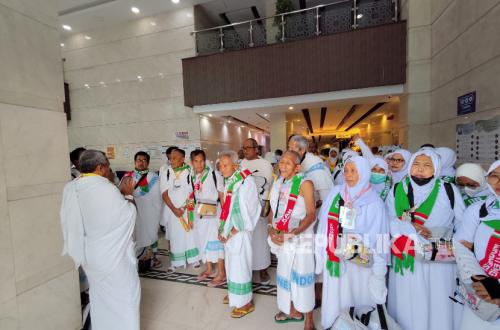
Dhul-Hijjah is recognised as one of the sacred months in the Islamic calendar, during which virtuous deeds are rewarded manifold. A highly recommended act of worship for Muslims not performing Hajj is the Day of Arafah fast, observed on the 9th of Dhul-Hijjah, the day before Eid al-Adha.
It is termed the Day of Arafah fast due to its alignment with the standing (wuquf) of Hajj pilgrims at Arafat Plain on the 9th of Dhul-Hijjah. Those not performing the Hajj can also earn divine rewards by fasting. A hadith states: “There is no day on which Allah frees more people from the Fire than the Day of Arafah.” (Sahih Muslim).
One meaning of Eid is celebrating victory after overcoming a trial. Eid al-Fitr marks the triumph after a month of fasting, while Eid al-Adha is preceded by fasting. Although not obligatory like Ramadan, fasting before Eid al-Adha is strongly encouraged for those not undertaking Hajj.
This fast during the early days of Dhul-Hijjah is often called the Day of Arafah fast, named for its coincidence with the Hajj pilgrims’ standing at Arafat on the 9th of Dhul-Hijjah. Those not present at Arafat can also gain spiritual merit through fasting, as the hadith notes: “There is no day on which Allah frees more people from the Fire than the Day of Arafah.” (Sahih Muslim).
There are various approaches to the Day of Arafah fast. Some observe a nine-day fast from the 1st to 9th of Dhul-Hijjah, while others fast only on the 9th. This practice is based on the Prophet Muhammad’s tradition: “The Prophet used to fast the first nine days of Dhul-Hijjah, the Day of Ashura, and three days each month.” (Ahmad and Nasai).
The eight-day fast from the 1st to 8th of Dhul-Hijjah is referred to as the Tarwiyah fast, named after the Hajj ritual of Tarwiyah. This practice is supported by the hadith: “Four practices the Prophet never abandoned: fasting on Ashura, fasting the first eight days of Dhul-Hijjah, three days each month, and two rak’ahs before Fajr.” (Ahmad, Abu Dawud, and Nasai).
Source: jawawa.id (https://jawawa.id/newsitem/why-did-prophet-muhammad-prohibit-hajj-pilgrims-from-fasting-on-the-day-of-arafah-1780126271)
Originally published by Republika (https://khazanah.republika.co.id/berita/tfmdz4483/mengapa-rasulullah-melarang-jamaah-haji-berpuasa-pada-hari-arafah), translated from Indonesian