
Why Calistung Tests for Primary School Admission Are Banned? Psychological Impacts and Regulations
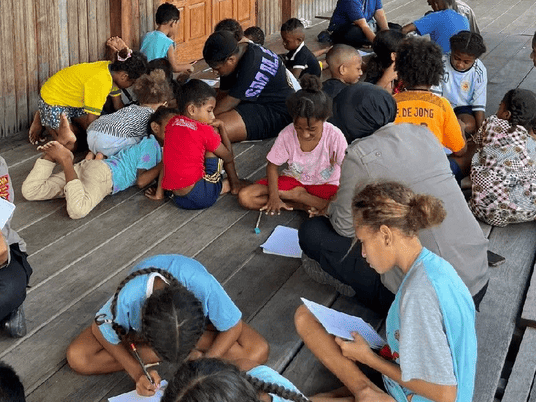
Government policy by the Ministry of Education, Culture, Research and Technology (Kemendikbudristek) banning reading, writing and counting (Calistung) tests in the admissions process for new pupils at primary level (PPDB for SD) has sparked wide discussion among parents. The ban is not merely an administrative change; it is a systemic effort to protect the developmental phase of children.
Through the campaign ‘Transition from PAUD to SD That is Enjoyable’, the government emphasises that primary education should be a continuation of an educational play period, not an prematurely burdensome academic load. So, what are the fundamental reasons behind this ban and how might it impact a child’s psychology?
The ban on Calistung testing is based on the understanding that every child follows a different learning trajectory. Here are some of the main reasons:
Forcing a child to master Calistung before they are cognitively and emotionally ready can have long-term effects on mental health:
Children who are forced to learn Calistung using drill methods (rigid repetition) tend to experience mental fatigue. This can lead to a loss of learning enthusiasm when they actually reach school age.
When a child feels they have failed to meet the expectations of parents or schools in a Calistung test, they may feel ‘stupid’ or unable. This sense of inferiority can hinder the development of a positive self-concept.
Psychologically, the world of 0-7 year olds is a world of play. Play is how they learn to socialise and solve problems. Replacing playtime with intensive Calistung tuition deprives them of a basic developmental right.
As a substitute for Calistung tests, schools and parents are urged to focus on developing six foundational abilities:
The ban on Calistung entry to SD is a progressive step towards a more humane educational ecosystem. By removing this test, the psychological burden on children is reduced, and primary schools return to their function as welcoming places for children from diverse backgrounds of ability. The main focus of primary education is no longer how quickly a child can read, but how great their curiosity and enjoyment in learning are.
It is permissible, but the methods must be enjoyable and taught through play. Calistung should not be a prerequisite for PAUD graduation or for entry into SD.
Society can report this to the local Education Office or via the official Kemendikbudristek complaints channel, as this violates Government Regulation No. 17 of 2010 and Permendikbudristek No. 1 of 2021.
Parents should focus on fostering their child’s independence, such as being able to tie their own shoes, tidying toys, and the courage to ask questions or to engage in conversation.
Source: jawawa.id (https://jawawa.id/newsitem/why-calistung-tests-for-primary-school-admission-are-banned-psychological-impacts-and-regulations-1779542406)
Originally published by Media Indonesia (https://mediaindonesia.com/humaniora/892643/mengapa-tes-calistung-masuk-sd-dilarang-dampak-psikologis-dan-aturan), translated from Indonesian