
Why Are Young People Drawn to Online Loans and PayLater? Five Reasons
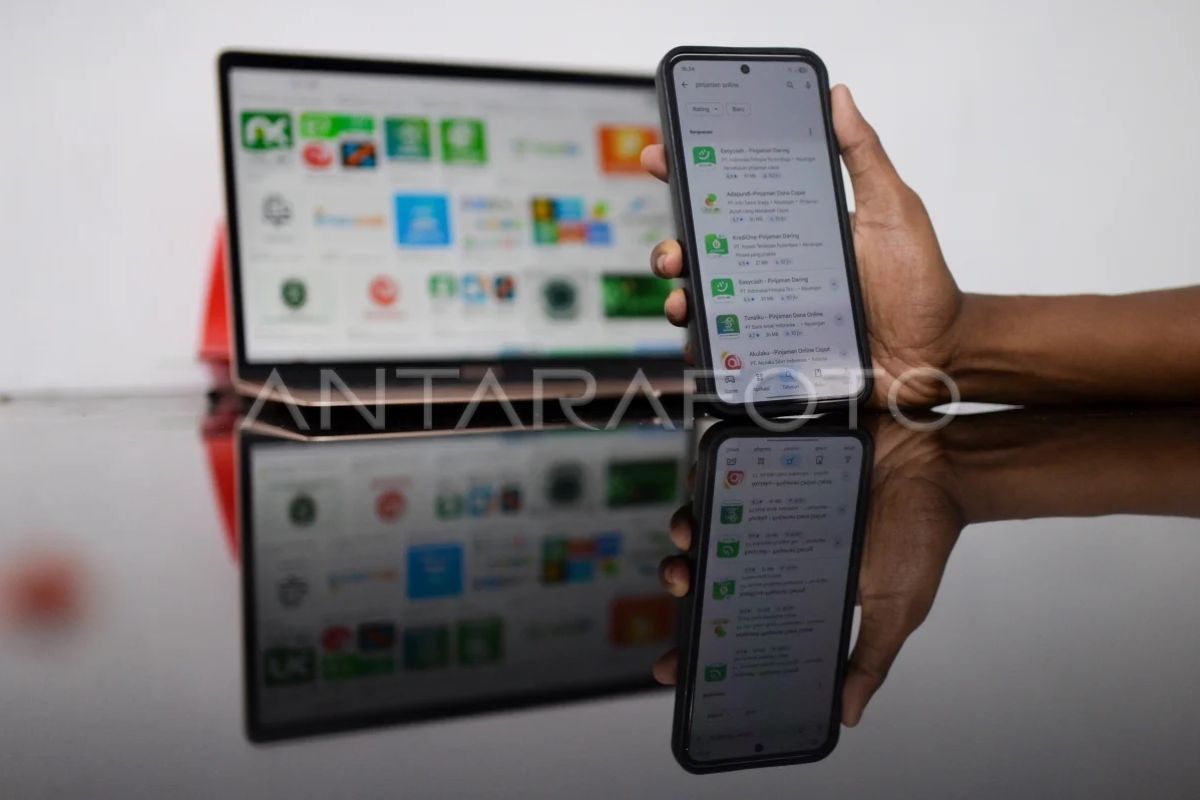
Jakarta (ANTARA) – Online loans and buy now, pay later (BNPL) services are becoming an increasingly familiar part of young people’s lives. The ease of applying through an app, rapid disbursement and flexible repayment are among the factors driving demand for these digital financial services.
A national survey by Muda Bicara ID in March 2026 found that 59.38 per cent of young Indonesians said they had used an online loan or PayLater to buy something. The figure points to widespread use of digital financing among younger age groups.
However, this figure differs from a claim of 61.5 per cent on the same subject, so the two should not be treated as the same data without knowing the survey sources and respondent definitions. Muda Bicara ID’s survey involved 800 respondents aged 17–40.
Separately, a Jakpat survey in the second half of 2025 found that 31 per cent of respondents used PayLater and 11 per cent used online cash loans. The survey, which involved 2,089 respondents, also described Gen Z as a group vulnerable to using online loans when facing financial pressure.
So what attracts young people to online loans and PayLater, and what risks should they consider before using them?
Why young people use online loans and PayLater
Several factors encourage young people to use digital financing services. According to findings from Jakpat’s survey in the second half of 2025, the reasons for using online loans are closely linked to everyday needs and the ease of obtaining funds.
- Fast and straightforward applications
Convenience is one of the main attractions of online loans. Users can apply through an app without visiting a financial institution’s office.
Jakpat’s survey found that 63 per cent of online-loan users chose the service because funds were disbursed quickly. Meanwhile, 61 per cent cited the simple application process, and 57 per cent were attracted by what they considered less demanding requirements.
This can make online loans seem like a practical solution when someone needs money at short notice. However, an easy application process does not necessarily mean the loan is suited to the user’s financial circumstances.
- Urgent expenses
Some young people use digital loans when faced with expenses that cannot be delayed, such as healthcare costs, household necessities or unexpected bills.
Muda Bicara ID’s 2026 national survey found that 46.2 per cent of young people who used online loans or PayLater did so for urgent needs, including treatment and medical expenses.
A further 25.1 per cent used them to cover everyday needs. The findings show that digital financing is used not only for shopping but also to help meet basic expenses.
- Insufficient funds
Limited or unstable income can also lead young people to use digital loans.
For example, someone may need money to pay a bill or buy necessities before receiving their next salary. In such situations, online loans and PayLater are often seen as a way to cover a temporary shortfall.
However, borrowing to cover regular expenses requires careful consideration. If income is insufficient to meet repayments, users risk borrowing again and accumulating payment obligations.
- Promotions and cashback
PayLater services often offer discounts, cashback or special promotions to users who choose that payment method.
A survey found that 40 per cent of Gen Z and millennial respondents used PayLater because they were interested in earning cashback points or taking advantage of promotions.
The survey of 2,153 respondents also found that 59 per cent used PayLater as a way to manage their finances. Even so, users should weigh promotions against the total transaction cost and their ability to meet instalments.
- Lifestyle spending
Besides urgent expenses, some young people use digital financing to meet consumerist wants.
Muda Bicara ID’s 2026 survey found that 15.9 per cent of respondents used online loans or PayLater to buy non-essential goods or fund lifestyle spending. Meanwhile, 9.3 per cent used them for costly recreation, such as music concerts and holidays.
Using credit for non-priority spending warrants caution: the item or experience may soon be over, while the instalments still have to be paid in the following period.
Although both offer digital financing, online loans and PayLater serve different purposes.
An online loan is a service that provides money through a digital platform. The funds can be used for various needs, subject to the provider’s terms.
PayLater, by contrast, is a payment facility that lets users buy goods or services first and pay later, either in full on a specified date or in instalments, depending on the options available.
It is important to understand this distinction before using either service. Users should check the amount received or transaction value, interest, administration fees, repayment term, late-payment penalties and the total amount due.
Risks of using online loans and PayLater
The convenience of digital financing should be matched by an understanding of the financial risks. Without sound planning, online loans and PayLater can cause a number of problems.
First, accumulating instalments can eat into monthly income. If someone has several loans at once, much of their earnings may go towards repayments.
Second, late payments can incur additional charges under the agreement. The amount owed can grow if the user does not settle it promptly.
Third, taking out a new loan to repay an old one can create a debt cycle. This habit risks making a person’s finances increasingly difficult to manage.
Fourth, users should be wary of illegal lenders. Offers made by text message or social media that promise instant disbursement without clear terms should be treated with suspicion.
PayLater use in Indonesia
The trend in PayLater use is also reflected in financing growth in the banking sector.
Data from the Financial Services Authority (OJK) show that outstanding bank PayLater loans reached Rp31.56 trillion in July 2026. The number of user accounts stood at 33.50 million, with financing growth of 31.22 per cent year on year.
The figures show that PayLater has become part of Indonesians’ financing activity. However, the number of accounts is not necessarily the same as the number of individuals, as one person may have more than one account or financing facility.
These figures should also be distinguished from financing provided by financial technology (fintech) lending companies. The two have different characteristics and are recorded separately, so their figures should not simply be combined.
To avoid becoming trapped in repayment burdens, young people should consider several points before using digital financing services.
- Use credit for priority needs
Avoid borrowing simply because of a discount, a trend or the desire to buy something that is not needed.
- Check the provider’s legal status
Make sure the lending or financing company is licensed and supervised by OJK for the type of service it offers.
- Calculate whether you can afford the repayments
Match instalments to income and regular expenses so that repayments do not interfere with essential needs.
- Understand interest and additional charges
Check interest, administration fees, late-payment penalties and the total amount payable before agreeing to a transaction.
- Do not borrow to repay existing debt
Do not take out a new loan solely to pay instalments on an earlier one.
- Protect personal data
Do not share one-time passwords (OTPs), PINs, passwords or sensitive information with anyone claiming to be a financial-services representative.
Using online loans and PayLater is ultimately a financial decision that should reflect each person’s circumstances. Easy access and fast transactions can help in certain situations, but both services still carry repayment obligations.
The high uptake of digital financing among young people is a reminder that financial literacy must keep pace with technological development. Understanding one’s needs, calculating affordability and recognising the risks are essential to ensuring these services do not become a financial burden.
Source: jawawa.id (https://jawawa.id/newsitem/why-are-young-people-drawn-to-online-loans-and-paylater-five-reasons-1793807522)
Originally published by Antara (Indonesian) (https://www.antaranews.com/berita/5832431/mengapa-anak-muda-suka-pinjol-dan-paylater-ini-5-alasannya), translated from Indonesian