
Why Are Women's Carriages on the KRL Always at the End? The History and Reasons
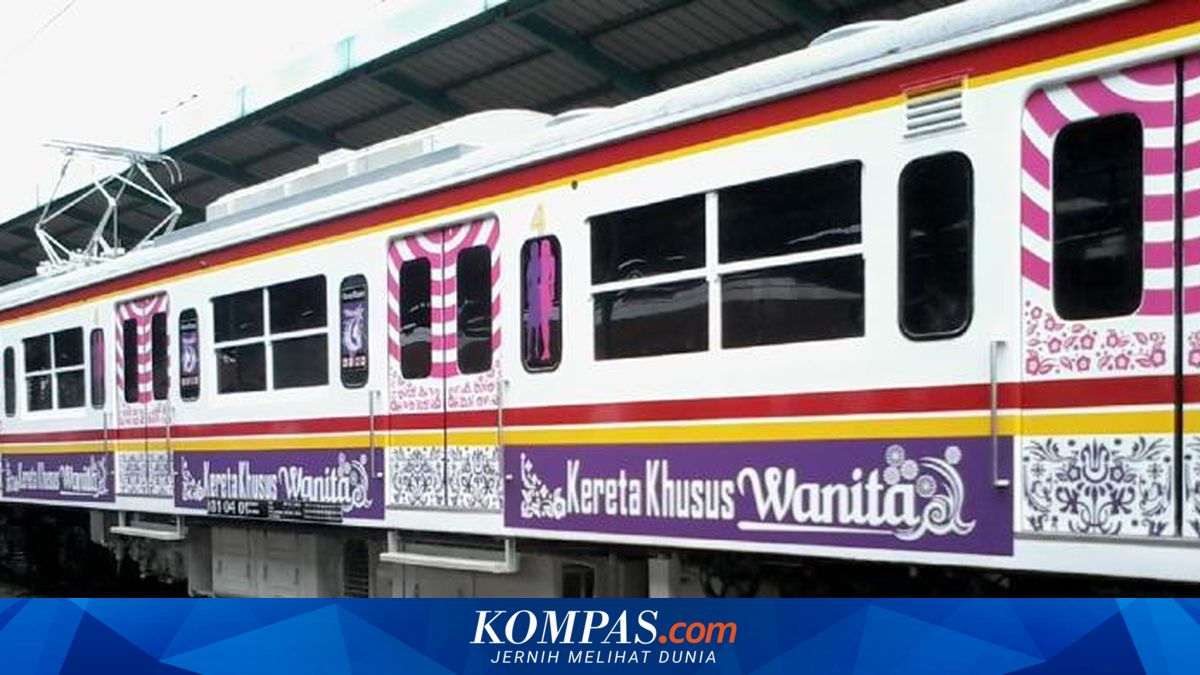
The Minister for Women’s Empowerment and Child Protection (PPPA), Arifah Fauzi, has proposed moving the women’s special carriage on the KRL to the middle of the train set, following an accident at Bekasi Timur Station. This proposal arose after the incident resulted in fatalities, including passengers in the women’s carriage, which has traditionally been positioned at the end of the train. “So the men should be at the ends. The front and back for men, so the women in the middle,” Arifah stated at RSUD dr. Chasbullah Abdulmadjid in Bekasi City on Tuesday (28/4/2026). According to Arifah, positions at the front and rear carry higher risks during collisions. Nevertheless, she emphasised that the proposal is preliminary and has not yet been discussed further, as the government’s current focus remains on handling the victims. The Women’s Special Carriage (KKW) was inaugurated by the Minister of Transportation, Freddy Numberi, at the KRL Depok Depot, coinciding with the launch of the KRL 7000 series. From the outside, the KKW carriage can be recognised by pink stickers on the side, featuring an icon of a woman and a prohibition icon for non-female passengers. At its initial launch, the KKW using the KRL 7000 series was operated on the Jakarta Kota - Bekasi, Jakarta Kota - Bogor, and Tanah Abang - Serpong lines. This women’s special carriage was placed at the very front and very rear of each train set. This policy is not without reason but results from operational considerations and the generally crowded conditions at KRL stations in the Jabodetabek region. Placement at the ends aims to make it easier for female passengers, especially pregnant women, the elderly, or those carrying children, to access the carriage without having to jostle towards the middle of the train. Additionally, this position allows female passengers to alight first upon arrival at the final station, helping to ease congestion within the train set. This placement also aims to regulate passenger boarding and alighting flows more orderly and minimise violations in the special carriage.